Most hearing aid users hear reasonably well during the day — but take the aids out at night, and the world goes silent. A fire alarm at 2 AM. A doorbell while you’re in the shower. A baby crying in the next room. Alerting devices turn sounds into flashes, vibrations, and bed shakers.
This is a practical, affordable category. Here’s what each type costs.
Alerting Device Cost by Category
| Device Type | Price Range | Alert Method |
|---|---|---|
| Visual doorbell (flashing strobe) | $30–$100 | Flashing lights in multiple rooms |
| Vibrating alarm clock / bed shaker | $25–$80 | Vibration under pillow/mattress |
| Smoke / CO detector (visual + vibrating) | $40–$150 | Strobe flash + bed shaker |
| Baby monitor (visual + vibrating) | $50–$200 | Flashing display + vibrating pager |
| Vibrating wristwatch / smart band | $40–$200 | Wrist vibration for alarms |
| Phone/doorbell smartphone alert system | $50–$200 | Smartphone notification + strobe |
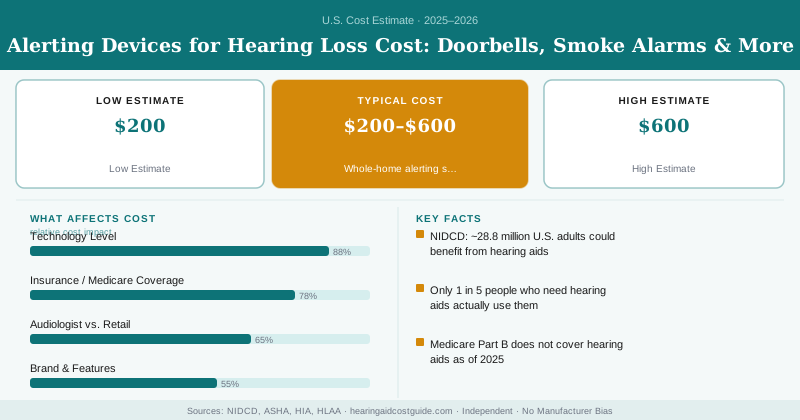
| Whole-home alerting system | $200–$600 | Unified app control for all alerts |
The Hearing Loss Association of America (HLAA) estimates that approximately 48 million Americans experience some degree of hearing loss, with a substantial portion experiencing significant difficulty in noisy or no-aid situations. Alerting technology is one of HLAA’s core recommendations for independent living.
What You Actually Need (By Situation)
Sleeping Without Aids
This is the highest-risk situation. You need:
- Bed shaker — Plugs into a vibrating pad under your pillow or mattress ($25–$50)
- Visual smoke alarm — A strobe flash in the bedroom that triggers when the main alarm sounds ($40–$100)
- Vibrating alarm clock — Combined with the bed shaker; many models do double duty ($40–$80)
Budget $100–$200 to cover nighttime safety properly.
Home Alone During the Day
- Visual/flashing doorbell: A receiver plugs in to a wall outlet in rooms you frequent. When someone rings the bell, lights flash ($30–$80)
- Flashing phone ringer alert: A lamp flasher that triggers when the phone rings ($20–$50)
Parenting with Hearing Loss
Baby monitors with a vibrating receiver pager are the key item. The parent unit clips to clothing or goes under a pillow; when the baby cries, it vibrates. Brands like Serene Innovations and Geemarc make dedicated models ($80–$200).
Recommended Brands
- Sonic Alert (Sonic Boom) — Best-known US brand for bed shakers and alarm clocks. Very reliable, $40–$80.
- Serene Innovations — Wide range including phone ringers, doorbells, and baby monitors. $30–$200.
- Harris Communications — Specialty retailer with a broad catalog; good for whole-home systems.
- Google Nest / Ring with smart lighting — Tech-forward option. Smart bulbs flash when doorbell rings or smoke alarm sounds. Requires smartphone and some setup ($100–$300).
Under the Americans with Disabilities Act, employers are required to provide visual alerting for fire alarms and other safety signals in workplaces. If your workplace uses audio-only alerts, request accommodations — this is a legal right. Personal flashing pagers for office phones and vibrating desk alerts are commonly provided accommodations.
Whole-Home Systems: Are They Worth It?
If you’re outfitting an entire home, integrated systems from companies like Alertmaster or Serene Innovations let one receiver control multiple transmitters (doorbell, phone, smoke alarm, baby monitor) through a single base unit. These cost $200–$600 but are more convenient than piecemeal devices.
For most people, starting with individual devices and upgrading later is the smarter approach. A bed shaker, a visual doorbell, and a visual smoke detector cover 90% of safety needs for about $100–$175.
Smoke and carbon monoxide detectors are non-negotiable safety items. Standard audible alarms alone are insufficient for people who sleep without hearing aids. The National Fire Protection Association recommends that homes with deaf or hard-of-hearing occupants install visual and vibrating smoke alarms in every sleeping room.
Does Insurance or Medicare Cover Alerting Devices?
Usually not directly. However:
- State vocational rehabilitation programs sometimes fund alerting devices as workplace or daily living accommodations
- Veterans Affairs: Covers alerting technology for qualifying veterans with service-related hearing loss
- HSA/FSA accounts: Alerting devices may qualify as medical expenses — check with your plan administrator
The Bottom Line
You don’t need to spend $600 on a whole-home system. Start with three items: a bed shaker/vibrating alarm clock ($40), a visual smoke detector for your bedroom ($60), and a flashing doorbell receiver (~$40). That’s $140 to cover your most critical alerting needs. Add more as budget allows.
Frequently Asked Questions
Visual doorbells for hearing loss typically cost between $20 and $150, depending on the brand and features. Basic wireless models start around $20–$40, while more advanced systems with customizable light patterns and smartphone integration can range from $80–$150.
Most health insurance plans do not cover alerting devices, as they are typically classified as convenience items rather than medically necessary equipment. Some state vocational rehabilitation programs may offer partial assistance, but you should expect to pay out-of-pocket, with total costs ranging from $20–$600 depending on which devices you choose.
Start with a flashing doorbell or visual smoke alarm ($20–$100), as these address the most critical safety needs and are affordable entry points. If you live alone or have caregiving responsibilities, adding a bed shaker ($30–$80) or vibrating alarm clock ($25–$60) is typically the next practical step, allowing you to gradually build a system that fits your lifestyle and budget.