Gloria, 71, kept turning up the TV louder every week. Her grandkids complained the volume was rattling the windows. She assumed her hearing was getting worse — until her doctor took a quick look inside her ear canals and found them packed with wax. A single irrigation visit later, she was back to normal volumes. Total bill: $85.
Earwax (cerumen) blockage is one of the most common — and most correctable — causes of sudden hearing change. The American Academy of Otolaryngology estimates that cerumen impaction affects about 6% of the general population and accounts for roughly 12 million physician visits annually in the United States. Getting it treated professionally doesn’t have to cost a fortune, but prices vary more than you’d expect.
Ear Irrigation Costs at a Glance
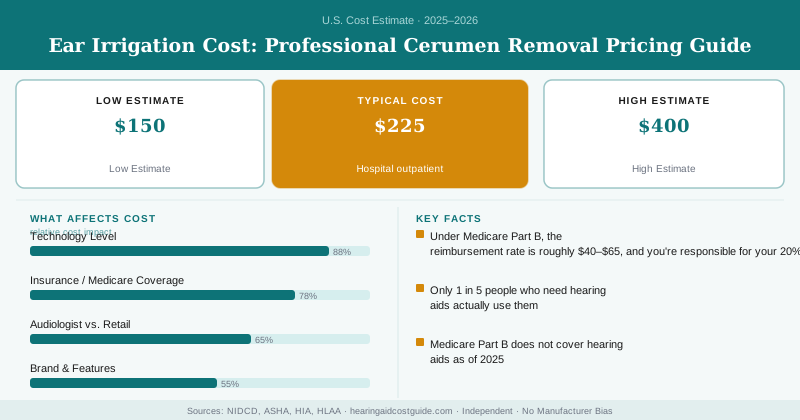
| Setting | Low | Typical | High |
|---|---|---|---|
| Primary care office | $50 | $85 | $150 |
| Urgent care clinic | $60 | $90 | $160 |
| ENT specialist | $100 | $150 | $250 |
| Audiologist | $75 | $120 | $200 |
| Mobile ear-cleaning service | $80 | $130 | $200 |
| Hospital outpatient | $150 | $225 | $400+ |
These prices typically cover one session for one or both ears. Some providers charge per ear; always ask before your appointment.
What Is Ear Irrigation, Exactly?
Ear irrigation — sometimes called ear lavage or ear syringing — uses a controlled stream of warm water (or saline) to flush wax out of the ear canal. The provider directs the stream along the canal wall at a slight angle so the water curls behind the wax plug and pushes it outward. The whole procedure usually takes 5–15 minutes per ear.
It’s a different procedure from microsuction, which uses a small vacuum device under direct microscope visualization. Irrigation is widely available and costs less; microsuction is more precise and preferred for people with a history of ear surgery or a perforated eardrum.
What’s Included in the Visit Cost
When you pay for a professional ear irrigation visit, here’s what you’re typically paying for:
- Otoscopic exam — the provider looks inside your canal before and after
- Softening drops — many providers apply hydrogen peroxide or glycerin drops first to loosen the wax
- Irrigation itself — the flush with a bulb syringe, ear irrigator, or pressurized device
- Post-procedure check — confirming the canal is clear and the eardrum is intact
- Documentation — the visit note, which you may need for insurance or audiology follow-up
If you already visited your doctor recently for another reason and they discover wax at the same appointment, the irrigation may be billed as an additional procedure — adding $40–$100 to your bill.
Insurance Coverage: Will Your Plan Pay?
Most insurance plans — including Medicare — cover ear irrigation when it’s medically necessary and billed correctly. The relevant CPT code is 69210 (Removal impacted cerumen, one or both ears). Under Medicare Part B, the reimbursement rate is roughly $40–$65, and you’re responsible for your 20% coinsurance after meeting the deductible.
- Ask your provider to document “cerumen impaction” as the diagnosis — the ICD-10 code H61.2 is required for most insurance approvals.
- Some primary care offices bundle irrigation into a standard office visit and don’t charge separately — call ahead to ask.
- If you’re paying out of pocket, ask whether the provider offers a self-pay discount. Many clinics will knock 20–30% off for cash patients.
Ear irrigation should NOT be performed if you have a perforated eardrum, a history of ear surgery, active ear infection, or ear tubes in place. Tell your provider before the procedure if any of these apply to you.
Home Methods: When They Work and When They Don’t
For mild wax buildup — not full impaction — over-the-counter softening drops are often enough. Products containing carbamide peroxide (Debrox, Murine) cost $6–$12 at any pharmacy. You apply the drops, wait a few minutes, then tilt your head to let them drain out.
The NIDCD notes that most cases of earwax buildup can be safely managed with OTC drops when the eardrum is intact and there’s no infection present. The key word is “most.” If you’ve been using drops for several days without improvement, or if you have significant hearing loss, ear pain, or dizziness, it’s time to see a professional.
Home irrigation bulbs (cost: $5–$15) are available at pharmacies, but many audiologists advise against DIY irrigation because it’s easy to use too much pressure, introduce water at the wrong angle, or push wax deeper rather than out.
Hearing Aid Users: A Special Consideration
If you wear hearing aids, you’re producing more wax than average. The devices block the ear canal’s natural self-cleaning mechanism, causing wax to accumulate faster and closer to the eardrum. Most audiologists recommend wax checks at every follow-up — typically every 3–6 months — even if you’re not experiencing obvious blockage.
Some audiology practices include cerumen management as part of a bundled hearing aid service plan. If yours doesn’t, ask about adding it. Paying $80–$120 per year for professional wax management beats losing hearing aid performance or damaging a $4,000 device with a wax-clogged receiver.
Microsuction vs. Irrigation: Which Costs More?
Microsuction runs $100–$300 per session — typically $50–$100 more than irrigation. The higher cost reflects the specialized equipment (a suction device with a microscope or otoscope attachment) and the added skill required.
For most people with routine wax buildup, irrigation works perfectly well and costs less. Microsuction is the better choice — and worth the premium — when:
- You have a history of perforated eardrum
- You’ve had ear surgery (including tube placement)
- You have a narrow or unusually angled ear canal
- Previous irrigation attempts have failed
- You’re a hearing aid wearer who needs the most thorough cleaning possible
How Often Will You Need It?
That depends entirely on how fast you produce wax. Some people go years without needing professional removal. Others — especially hearing aid wearers, people who use earbuds heavily, and those with naturally narrow canals — need a cleaning every 3–4 months.
If you find yourself going in more than four times a year, talk to your audiologist about a maintenance plan. Some practices offer cerumen management subscriptions or include it in their annual care packages.
Finding a Provider Who Does Ear Irrigation
Most primary care physicians, ENT specialists, and audiologists perform ear irrigation. Some urgent care clinics do too, though their equipment varies. If you’re looking for the most thorough job, an ENT or audiologist is your best bet — they have otoscopes with better magnification and providers trained specifically in ear canal management.
When you call to schedule, confirm that:
- The provider does in-office cerumen removal
- They’ll check insurance coverage in advance
- They have experience with patients who wear hearing aids (if applicable)
A simple phone call upfront can save you a surprise bill and a disappointing appointment.
Frequently Asked Questions
Professional ear irrigation typically costs $50–$200 at a doctor's office or audiologist, with most visits falling in the $75–$125 range. The final price depends on your location, whether it's at a primary care clinic or ENT specialist, and if additional services like cerumen impaction assessment are included.
Most health insurance plans cover ear irrigation when medically necessary and performed by a licensed provider, though you'll typically pay a copay of $20–$50. However, if the procedure is deemed preventive or elective (such as routine earwax cleaning without symptoms), your plan may deny coverage and you'll pay the full out-of-pocket cost.
A professional ear irrigation appointment usually takes 15–30 minutes total, with the actual irrigation lasting just 5–10 minutes. You genuinely need it when impacted earwax is causing hearing loss, ear pain, tinnitus, or dizziness—not for routine maintenance, as many ears naturally shed wax without intervention.