Decades of cold water and wind built bone where it shouldn’t be. That’s surfer’s ear — exostosis — bony growths inside the ear canal that develop after years of exposure to cold water and wind. It’s an occupational hazard of surfers, divers, swimmers, and kayakers, and when the growths get big enough to trap water and wax, you’re looking at surgery.
The American Academy of Otolaryngology notes that repeated cold-water exposure is the well-documented cause, which is why the condition is far more common in cold-coast watermen than the general public.
Surgery Is the Only Real Fix
There’s no pill or drop that shrinks exostoses. Once the bony growths block enough of the canal to cause recurrent infections, trapped water, or hearing loss, the only definitive treatment is surgical removal — either drilling the bone or, in some hands, using a chisel-based technique. That’s why surfer’s ear sits in the higher cost tier of ear conditions.
The surgery is called a canalplasty. It’s done under general anesthesia, usually as an outpatient procedure, and recovery takes a few weeks of keeping the ear dry.
Cost Breakdown
| Component | Cost (No Insurance) |
|---|---|
| ENT consultation | $200–$450 |
| CT scan of the ear canal | $500–$3,000 |
| Surgeon’s fee | $2,500–$8,000 |
| Anesthesia | $1,000–$3,000 |
| Facility / operating room | $4,000–$15,000 |
| Canalplasty — one ear (total) | $8,000–$20,000 |
| Both ears (often staged) | $15,000–$25,000+ |
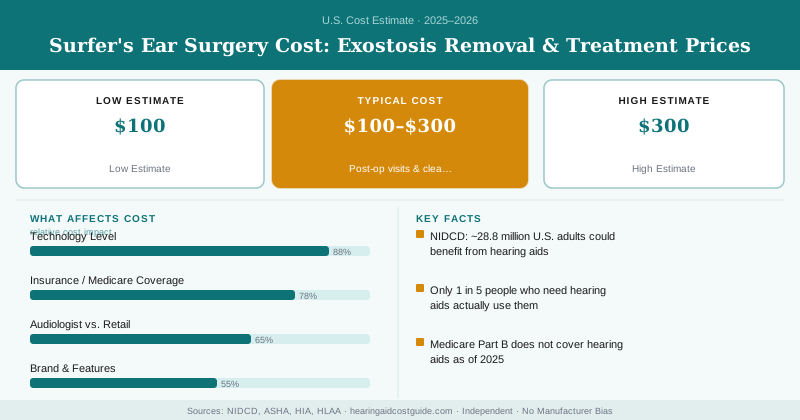
| Post-op visits & cleaning | $100–$300 each |
Many watermen have exostosis in both ears, and surgeons often operate on one side at a time so you’re not deaf in both ears during recovery. That doubles much of the cost, though the consultation and imaging may be shared.
Surfer’s ear surgery (canalplasty) totals $8,000–$20,000 per ear before insurance. Because it treats recurrent infections and hearing loss, it’s usually covered as medically necessary — most insured patients pay $1,500–$5,000 out of pocket per ear after deductible and coinsurance.
Why Insurance Usually Pays
Surfer’s ear surgery isn’t cosmetic. By the time it’s recommended, the canal is narrow enough to cause repeated infections, water trapping, and conductive hearing loss — all documented medical problems. That means standard health insurance generally covers it after your deductible and coinsurance, capped by your out-of-pocket maximum. This is unrelated to the limited rules on hearing aid coverage; it’s surgical treatment of a structural ear problem.
Get pre-authorization, and make sure the surgeon documents the recurrent infections and any hearing test results showing conductive loss. That paper trail is what secures coverage.
Catch It Before Surgery Is Needed
Early exostosis causes no symptoms and needs no treatment — just monitoring. Many watermen go years between “you have some bone growth” and “it’s time to operate.” During that window, the smartest spend is prevention plus the occasional ear wax removal visit, since narrowed canals trap wax and debris. An ENT or audiologist check every year or two tracks whether the growths are progressing.
Don’t dig at a surfer’s ear canal with swabs or tools to clear trapped water or wax. The narrowed, bony canal is easy to scratch and hard to heal, and you can drive debris against the eardrum. Let an ENT clean it professionally — repeated DIY attempts often cause the very infections that push you toward surgery sooner.
How to Avoid or Delay Surgery
- Wear earplugs in cold water, always. Custom-vented surfing plugs ($30–$100) are the single best way to halt progression and avoid the four-figure surgery entirely.
- Use a neoprene hood in cold conditions to keep wind and water off the canal.
- Rinse and dry ears after every session to limit infections that accelerate the problem.
- Monitor, don’t rush. If you’re symptom-free, watchful waiting with annual checks beats premature surgery.
Bottom Line
Surfer’s ear is a slow-build problem with a four-figure-to-five-figure fix once it gets bad. Canalplasty runs $8,000–$20,000 per ear before insurance, but it’s covered as medically necessary, so insured patients typically pay $1,500–$5,000 out of pocket per side. The far cheaper path is prevention: cold-water earplugs and a hood stop the bone from growing in the first place. If you already have it, monitor early and operate only when symptoms force the issue.
Frequently Asked Questions
Surfer's ear (exostosis) removal surgery typically costs $8,000 to $25,000 before insurance, depending on the surgeon's experience, geographic location, and whether one or both ears require treatment. Most patients undergoing bilateral (both ears) procedures fall in the $12,000–$20,000 range for the total surgical fee.
Many insurance plans cover exostosis removal when the growth is medically necessary—meaning it causes recurrent ear infections, hearing loss, or chronic water entrapment—with insured patients typically paying $1,500–$5,000 out-of-pocket after deductibles and copays. However, if the surgery is considered cosmetic or elective, your insurance may deny coverage entirely, leaving you responsible for the full surgical cost.
Most patients can resume light activities within 1–2 weeks, but full recovery takes 4–6 weeks, during which you must keep water out of the ear canal. You should avoid swimming, surfing, and diving for at least 4–8 weeks post-surgery to allow the ear canal to fully heal and prevent infection.