A $25 cleaning kit extends the life of a $3,000 hearing aid. That’s the math most people skip until they’re sitting in an audiologist’s office paying $150 for a repair that regular maintenance would have prevented.
The Hearing Industries Association estimates that wax and debris blockage accounts for a significant portion of hearing aid “failures” that are actually just maintenance issues. You don’t need expensive tools — but you do need the right ones.
Hearing Aid Cleaning Kit Prices
| Kit / Tool | Price Range | What’s Included |
|---|---|---|
| Basic cleaning brush kit | $5–$12 | Brush, wax pick, loop tool |
| Mid-range kit (single brand) | $15–$25 | Multi-tool, wax filter pack, domes, storage case |
| Comprehensive kit | $30–$50 | All tools + vent cleaner, wire loop, drying capsules |
| Electronic drying kit (add-on) | $25–$60 | UV sanitizer or electric dryer |
| Brand-specific kit (Phonak, Oticon, etc.) | $20–$40 | Brand-matched tools and consumables |
| Audiologist-sold kit | $30–$60 | Same tools at higher markup |
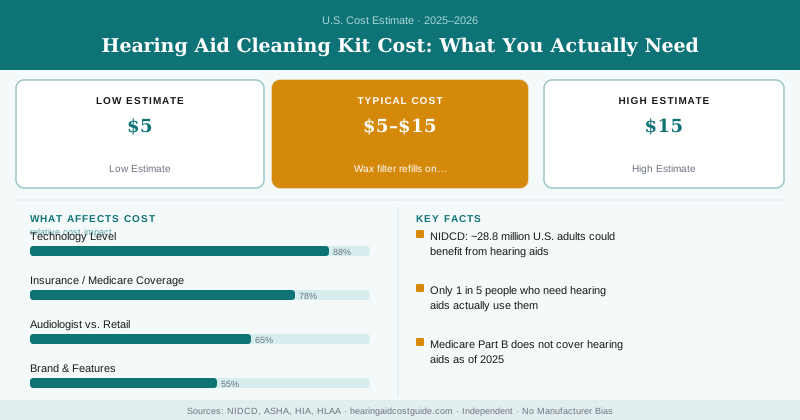
| Wax filter refills only | $5–$15/pack | 8–12 replacement filters |
What a Good Kit Actually Needs
You don’t need to spend $50. A solid $15–$25 kit handles 90% of maintenance. Here’s what matters:
Wax removal brush — Soft, angled bristles to sweep debris from microphone ports and receiver openings. Don’t use a toothbrush; the bristles are too stiff and can push wax deeper.
Wax pick or loop — A thin wire loop for clearing receiver tubes and sound openings. Essential if you wear receiver-in-canal (RIC) aids.
Vent cleaner / pipe cleaner thread — Thin filament for clearing the vent channel in custom earmolds. Skipping this leads to occlusion and muffled sound.
Wax filter replacements — These tiny filters sit at the tip of the receiver and catch debris before it reaches the speaker. They’re consumable — budget for monthly replacements. A pack of 8–12 costs $5–$15.
Drying solution — Either a desiccant capsule you drop in a storage case or a simple jar with silica beads. Moisture is the #1 enemy of hearing aid electronics.
Brand-Specific vs. Generic Kits
Most brand-name kits (Phonak CleaningMate, Oticon cleaning tools, Signia kits) are sold through audiologists at $30–$60 and contain the same tools you’d find in a $20 Amazon kit. The main reason to buy brand-specific is for the correct wax filter size — some brands use proprietary filter systems that only accept their own replacements.
Check your hearing aid model before buying. Phonak, Oticon, and Signia all use slightly different wax filter designs. A Phonak CeruStop filter won’t fit an Oticon ProWax miniFit.
Brushes, picks, and vent cleaners are universal — buy generic and save money. Wax filters and domes are model-specific — always buy the correct brand match. Swapping wrong filters voids warranties at some manufacturers.
How Often You’ll Need to Restock
Daily users replace consumables on predictable schedules:
- Wax filters: every 2–4 weeks (more often in high-cerumen producers)
- Domes: monthly or when they look flattened/discolored
- Desiccant capsules: every 4–8 weeks
- Cleaning brushes: every 3–6 months (bristles wear out)
Annual consumable cost for one pair of hearing aids: roughly $60–$120 if you buy in bulk online. Monthly audiologist cleaning visits add $50–$100 per session — consider those for deep cleaning twice a year, not routine maintenance.
Where to Buy
Amazon and Chewy typically offer the best prices on bulk wax filters and domes. Search your hearing aid model + “wax filter” to find the right part number.
Costco stocks generic kits for $10–$20 that work well for most BTE and RIC users.
Your audiologist’s office sells kits at a markup but is a reliable source for the exact brand-matched consumables your specific aids require.
Big-box pharmacy chains (CVS, Walgreens) stock basic batteries and some cleaning tools, but their filter selection is limited.
DIY Maintenance Routine
A quick daily routine takes under two minutes and prevents most problems:
- After removing aids each night, brush the microphone and receiver openings with the cleaning brush.
- Check wax filters — if they look dark or sound quality has dropped, swap them.
- Open battery doors (or leave charger case open for rechargeables) to allow moisture to escape overnight.
- Drop aids into a desiccant case or electronic dryer overnight.
ASHA (American Speech-Language-Hearing Association) recommends annual professional cleanings in addition to daily home maintenance. A $50–$100 audiologist visit once or twice a year catches problems your brush can’t reach — earwax deep in tubes, corroded contacts, worn receiver tips.
The Bottom Line
A $15–$25 cleaning kit from Amazon or a pharmacy is enough for most users. Restock wax filters and domes monthly for $5–$15 and you’ll spend under $120 a year keeping both aids in excellent condition. Compare that to one $150–$300 repair visit and the math makes itself.
Frequently Asked Questions
A basic hearing aid cleaning kit costs between $10 and $50, depending on the brand and included tools. Most audiologists recommend purchasing a kit in the $20–$30 range, which typically includes a wax pick, brush, UV sanitizer, or drying capsule—tools that can prevent costly repairs down the line.
Most health insurance plans, including Medicare, do not cover cleaning kits as they are considered routine maintenance supplies rather than medical devices. You'll pay out-of-pocket for the kit itself, though some audiologists may include a basic cleaning tool free with your hearing aid purchase.
You should clean your hearing aids daily with the included brush and wax pick, and use a UV sanitizer or drying capsule 2–3 times per week to prevent wax and moisture damage. Regular maintenance takes just 5 minutes daily and can prevent $100–$300 repair bills that result from debris blockage or moisture damage.