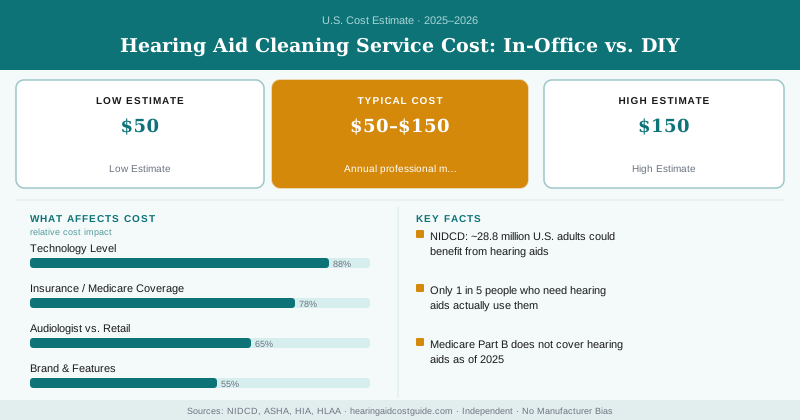
What does a hearing aid cleaning service actually cost? For most buyers, the honest answer is: nothing, at least for the first few years — it’s bundled into the purchase price as part of standard follow-up care. The costs show up later, once that included service period ends or if you bought your hearing aids somewhere that doesn’t offer ongoing cleanings at all.
Hearing Aid Cleaning Costs
| Service | Typical Cost |
|---|---|
| Cleaning included with new hearing aid purchase | $0 (bundled, typically 2–3 years) |
| Standalone cleaning visit (no service agreement) | $0–$50 |
| Deep cleaning/repair combo visit | $50–$150 |
| Cleaning + retubing (BTE models) | $30–$80 |
| At-home cleaning kit (brush, wax pick, wipes) | $10–$25 |
| UV sanitizing/drying box (at-home) | $30–$100 |
| Annual professional maintenance plan (if not bundled) | $50–$150/year |
Why Most People Never Pay for Cleaning Directly
When you purchase hearing aids from a traditional audiology practice, the price almost always includes a bundled service period — typically 2 to 3 years of follow-up visits, adjustments, and cleanings at no additional charge. This is standard practice across the industry and one reason hearing aids purchased from a full-service audiologist cost more upfront than the device price alone would suggest — you’re also paying for years of included professional care.
Once that bundled service period ends, or if you purchased an OTC hearing aid online without professional support, cleaning visits typically become pay-per-visit, usually in the $0–$50 range at most practices (many keep it free or low-cost specifically to keep patients coming in regularly, since regular visits also catch problems early).
What Professional Cleaning Actually Involves
A professional cleaning goes beyond what an at-home brush and wax pick can accomplish:
- Removing earwax buildup from microphone ports and receiver openings using specialized tools
- Checking for moisture damage and running the device through diagnostic testing
- Replacing wax guards or filters
- Inspecting tubing (for BTE models) for cracking or hardening
- Verifying the device is performing to its original programmed specifications
Professional cleanings every 3 to 6 months don’t replace daily at-home maintenance. Wipe down your hearing aids each night with a soft, dry cloth, remove visible wax with the provided brush or pick, and store them in a dehumidifier or drying box overnight if you live in a humid climate or sweat heavily during the day. Skipping daily care is the single biggest reason hearing aids need earlier-than-expected repairs, which cost far more than a routine cleaning.
Earwax: The Most Common Cause of Repair Costs
Earwax buildup is consistently cited by audiologists as the leading cause of hearing aid malfunction and repair claims. A device that seems to have stopped working, sounds distorted, or has weak output is, more often than not, simply clogged with wax rather than actually broken — and a $0–$50 cleaning resolves it, versus a $100–$400 repair bill if the wax is left to damage internal components over time.
Don’t wait until your hearing aid stops working entirely to schedule a cleaning. Regular preventive cleanings every 3 to 6 months, even when the device seems to be working fine, catch wax buildup and moisture issues before they cause a more expensive repair. Many practices will remind you automatically if you’re enrolled in a service plan — ask directly if you’re not sure whether you are.
When to Invest in At-Home Equipment
If you live in a humid climate, sweat heavily, or produce a lot of earwax, a dedicated at-home UV sanitizing/drying box ($30–$100) is a worthwhile investment. It won’t replace professional cleanings entirely, but it meaningfully reduces moisture-related issues between visits and can extend the interval between professional cleanings needed.
Frequently Asked Questions
Professional hearing aid cleaning is often included free with your original device purchase or as part of an ongoing service agreement. For standalone visits without a service agreement, cleanings typically cost $0 to $50 per visit.
Most audiologists recommend a professional cleaning every 3 to 6 months, in addition to daily at-home cleaning by the user, to remove earwax buildup and check for moisture damage that at-home cleaning can't fully address.
Yes, daily at-home cleaning with a soft brush and wax pick (usually included with your hearing aid purchase) handles routine maintenance, but professional cleaning every few months catches deeper wax buildup and moisture issues that at-home tools can miss.