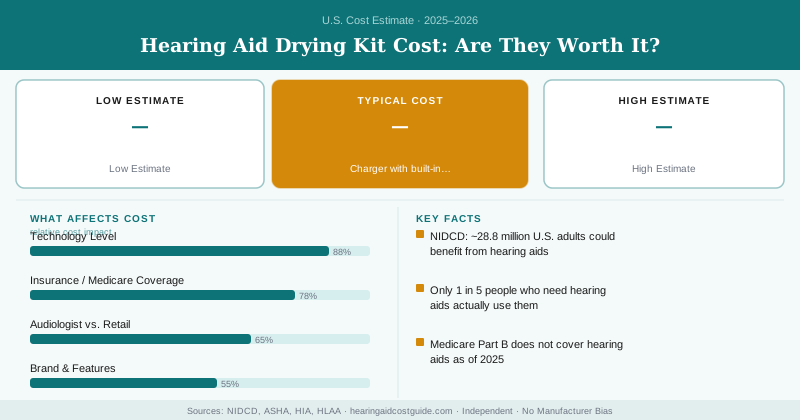
A $25 drying kit can save you a $300 repair bill. That’s the whole pitch, and it holds up. Moisture is one of the leading causes of hearing aid failure, and a drying kit is the cheapest insurance you can buy against it.
Drying kits range from $10 desiccant jars to $150 electronic units with UV sanitizing. What you spend depends on how much protection and automation you want. Let’s break down the options and figure out which one fits your situation.
What Drying Kits Cost
| Drying Kit Type | Cost |
|---|---|
| Desiccant jar with drying beads | $10–$25 |
| Replacement drying beads/discs | $5–$15 |
| Basic electronic dryer (heated) | $30–$70 |
| Electronic dryer with UV-C sanitizing | $70–$150 |
| Charger with built-in drying function | Included with device |
The split is simple. Desiccant jars are dirt cheap and use moisture-absorbing beads you periodically recharge in the microwave or oven. Electronic dryers plug in, gently warm your aids overnight, and many add UV-C light to kill bacteria. More money, more convenience, more protection.
Why Moisture Is the Enemy
Your ears are warm and humid. Add sweat, rain, and the condensation that forms when you move between hot and cold environments, and your aids face moisture constantly. That moisture corrodes circuitry, clogs receivers, and degrades microphones.
The receiver — the speaker sitting in your warm, damp ear canal — is especially vulnerable. Moisture is a top reason for the receiver replacements and lab repairs that drive up ownership costs. A drying kit directly attacks that risk.
Desiccant Jar vs. Electronic Dryer
Which should you get? Depends on your habits and your sweat.
Get a desiccant jar if:
- You’re on a budget
- You travel and want something portable with no power cord
- Your moisture exposure is moderate
Get an electronic dryer if:
- You sweat heavily or exercise in your aids
- You live in a humid climate
- You want UV sanitizing as well as drying
- You’ll actually use it nightly (set-and-forget is its big advantage)
A drying kit costs $10–$150 and is the single cheapest way to extend hearing aid life. Desiccant jars work fine for light use; electronic dryers with UV are worth it for heavy sweaters and humid climates. Either way, drying your aids nightly prevents the moisture damage that causes expensive receiver and microphone repairs.
How Much It Saves You
Run the math. An electronic dryer costs maybe $80 once. A single out-of-warranty receiver or microphone repair runs $100–$400. If drying prevents even one such failure over the life of your aids, it’s paid for itself several times over.
The ASHA recognizes regular maintenance — including drying — as essential to keeping hearing aids working. And with the NIDCD estimating about 28.8 million U.S. adults could benefit from hearing aids, keeping the devices people own in good shape is half the battle.
Never dry your hearing aids with a hair dryer, oven, or microwave — direct heat warps the casing and can ruin the electronics and lithium-ion batteries. Use a kit designed for hearing aids, which applies gentle, controlled, low-temperature drying. And always open the battery door (or remove rechargeable aids per the manual) before drying.
Don’t Forget the Beads
Desiccant beads aren’t permanent. They saturate with moisture and stop working, usually showing a color change. You’ll either recharge them with heat (per the package) or replace them every couple of months for $5–$15. Budget for that small recurring cost.
Electronic dryers don’t have this issue — they vent moisture out — which is part of why frequent users prefer them.
Where to Buy
Drying kits are widely available and not brand-specific, so you’ve got options:
- Your audiologist — can recommend a model matched to your usage
- Amazon and pharmacies — huge selection, competitive prices
- Costco and warehouse stores — good value on electronic units
The Bottom Line
If you own hearing aids, you should own a drying kit. It’s the highest-value $10–$150 you can spend on protecting them. Pair it with daily hearing aid cleaning and nightly drying, and you’ll dramatically cut the repair costs that come from moisture — easily the most preventable failure there is.
Frequently Asked Questions
Hearing aid drying kits range from $10 to $150 depending on the type and features. Basic desiccant jars cost $10–$30, mid-range electric dehumidifiers run $50–$100, and premium units with UV sanitizing capabilities cost $100–$150. A $25 drying kit can easily pay for itself by preventing a $300+ repair bill from moisture damage.
Most health insurance plans and Medicare do not cover drying kits as they are considered optional maintenance accessories rather than medically necessary devices. You will typically pay the full out-of-pocket cost ($10–$150), though some hearing aid manufacturers or audiologists may include a basic desiccant jar free with a new device purchase or as part of a care package.
You should use your drying kit every night after wearing your hearing aids, placing them in a desiccant jar or electronic dehumidifier for 6–8 hours overnight. If you live in a humid climate or sweat frequently, daily use is essential; even occasional use significantly reduces moisture-related failures that can cost $200–$500 to repair.