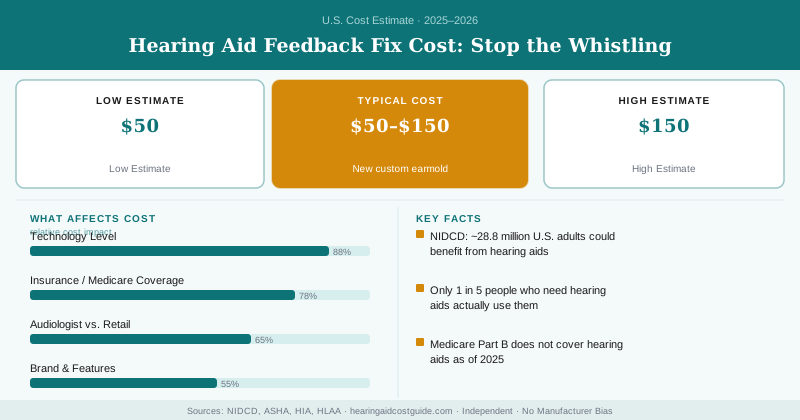
That high-pitched whistle from your hearing aid? It’s not the device dying. It’s feedback — sound leaking back out and re-amplifying — and most of the time you can stop it for free. The full range of fixes runs $0 to $150, but you’ll be surprised how often the answer costs nothing.
Feedback whistling is one of the most common hearing aid complaints, and it’s also one of the most fixable. Before you assume your aid is broken or book a repair, walk through the cheap fixes first. Nine times out of ten, one of them does it.
What Feedback Fixes Cost
| Fix | Cost |
|---|---|
| Reseating the aid properly | $0 |
| Removing earwax (clears blockage) | $0 |
| New dome or wax guard | $1–$10 |
| Retubing a BTE aid | $10–$50 |
| Audiologist refit/reprogram | $0–$100 |
| New custom earmold | $50–$150 |
See the pattern? The fixes climb in cost, but you start at the cheap end and only move up if the free stuff doesn’t work.
Why Feedback Happens
Feedback is amplified sound escaping your ear and getting picked up again by the microphone, creating a loop — the same screech you hear when a microphone gets too close to a speaker. With hearing aids, it usually means sound is leaking out where it shouldn’t.
The usual culprits:
- A loose or poorly seated aid — it’s not snug in your ear
- Earwax buildup — wax bounces sound back out toward the mic
- A worn dome or earmold that no longer seals
- A cracked or hardened tube on a BTE aid
- Weight or hat pressure changing the fit
Start Free, Then Escalate
Work through these in order before spending real money:
- Reseat the aid. Take it out and reinsert it firmly. A surprising amount of feedback is just a bad fit in the moment. Cost: $0.
- Check for earwax — in your ear and on the aid. Wax in the canal is a top cause. Clear it (safely) and the whistling often stops. Cost: $0.
- Replace the dome or wax guard. A worn dome that’s lost its seal leaks sound. A fresh one is pennies. Cost: $1–$10.
- Retube if it’s a BTE. A hardened or cracked tube causes leaks and feedback. See our thin tube replacement guide. Cost: $10–$50.
- See your audiologist if none of that works.
Feedback whistling is usually a fit or wax problem, not a broken device. Start with the free fixes — reseat the aid and check for earwax — then try a fresh dome or wax guard for a few dollars. Only escalate to a paid refit ($0–$100) or new earmold ($50–$150) if the cheap fixes fail. Most whistling stops before you spend anything.
When It’s an Audiologist Job
If you’ve cleared wax, reseated the aid, and swapped the dome with no luck, it’s time for a professional. Your audiologist can:
- Reprogram the aid — modern devices have feedback-cancellation software that can be retuned, often free during a follow-up
- Refit the dome or earmold size — your ear canal shape changes over time, and an old fit may now leak
- Make a new custom earmold for a tighter seal ($50–$150)
Today’s hearing aids are far better at this than they used to be — feedback-cancellation algorithms have improved dramatically, and the ASHA notes that managing feedback is a standard part of modern hearing aid fitting. A reprogram is often all it takes.
Don’t crank up the volume to “push past” feedback — that just makes the loop worse and can damage your hearing. And don’t dig into your ear canal with cotton swabs to remove wax; you can pack it deeper and cause more feedback or injury. Let a professional clear stubborn wax safely.
Could It Be a Fit Problem From Day One?
Sometimes feedback signals that your aids never fit quite right. The NIDCD estimates about 28.8 million U.S. adults could benefit from hearing aids, and poor fit is a common reason people give up on them. If feedback has plagued you since you got the aids, that’s a fitting conversation, not a repair — and it should be covered as part of your original fitting and any included repair or service period.
The Bottom Line
Feedback is annoying but cheap to beat. Start with the $0 fixes — reseat, check wax — then work up to a dome swap or retube for a few dollars. Only the persistent cases need a paid refit or new earmold. Before assuming your hearing aids are failing, run the checklist. The whistle almost always has a simple, low-cost cause.
Frequently Asked Questions
Fixing hearing aid feedback ranges from $0 to $150 depending on the solution. Many feedback issues can be resolved for free with simple adjustments like cleaning the device, reinserting it properly, or adjusting volume settings, while professional refitting or repairs typically cost $50–$150.
Most health insurance plans do not cover hearing aid repairs or adjustments, though some Medicare Advantage plans may offer limited coverage. You'll likely pay out-of-pocket for feedback fixes, though many adjustments performed by your audiologist during routine appointments are often included in your initial purchase or service plan.
Yes—try these free fixes first: clean the earpiece and microphone, reinsert the hearing aid correctly, lower the volume, or check that the ear mold fits snugly. Most feedback whistling stops with one of these simple steps; if the problem persists after 1–2 weeks of troubleshooting, schedule an appointment with your audiologist for professional adjustment or refit.