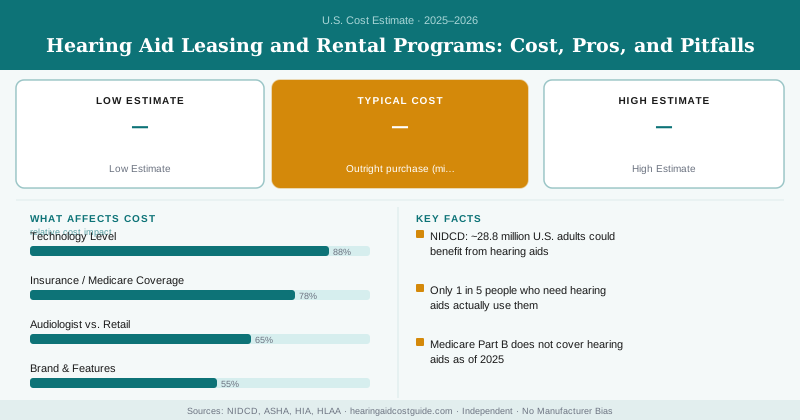
Most people think of hearing aids as something you buy — a big upfront purchase, like a car. But a growing number of programs now let you lease, rent, or subscribe to hearing aids instead. It sounds appealing: lower monthly payments, no large lump sum, and the promise of getting the latest technology every few years.
The catch? Over time, leasing almost always costs more. Here’s the math, and the situations where leasing still makes sense anyway.
How Hearing Aid Leasing Works
Leasing (also marketed as subscription hearing aids) works much like a car lease: you pay a monthly fee, wear the devices, and at the end of the term you either return them, upgrade to a new pair, or — in some programs — buy them for a residual price. The monthly fee typically covers:
- The hearing aid devices themselves
- Audiological follow-up appointments
- Repairs and replacements
- Batteries or charging equipment
- Manufacturer warranty
Some programs add loss and damage protection. Others charge it separately.
Hearing Aid Lease and Subscription Costs
| Program Type | Monthly Cost | Typical Term | Total Over 3 Years |
|---|---|---|---|
| Basic leased aids (entry-level) | $99–$130/month | 12–36 months | $3,564–$4,680 |
| Mid-tier subscription (audiologist program) | $130–$180/month | 24–36 months | $4,680–$6,480 |
| Premium subscription (e.g., Phonak Lyric) | $175–$250/month | 12 months rolling | $6,300–$9,000 |
| Outright purchase (mid-tier, bundled) | $2,500–$4,500 pair | N/A | $2,500–$4,500 |
The numbers tell a clear story: if you keep hearing aids for 3–5 years (the typical ownership cycle), buying outright is almost always cheaper. The break-even point on most lease programs is around 18–24 months — after that, you’re paying more than you would have spent purchasing.
When Leasing Can Make Sense
Despite the higher long-term cost, there are real scenarios where leasing offers value:
Cash flow is the primary constraint. If $3,000–$5,000 upfront is genuinely out of reach and no financing alternative works, a monthly lease makes hearing aids accessible now rather than never. Untreated hearing loss carries real cognitive, social, and safety costs. A lease that puts you in aids today may outweigh the long-term cost premium.
You want to try before committing. Some lease programs include the first 90 days as a true trial. If you’re unsure whether hearing aids will work for you, this reduces the risk of a large purchase that ends up in a drawer.
You prioritize access to latest technology. Premium subscription programs promise upgrades to the newest processor every 1–3 years at no extra charge. If staying on cutting-edge technology matters to you, the upgrade benefit has real value — especially in periods when manufacturers make significant processing jumps.
You travel frequently and need reliable, covered repairs. A lease that includes worldwide repair and replacement coverage removes a real worry for international travelers.
- What is the total cost over the full term, including all fees?
- Can I buy out the devices at the end? At what price?
- What happens if I want to cancel early? Are there penalties?
- Is audiological follow-up included, or billed separately?
- Does the program cover loss and accidental damage?
- What’s the upgrade schedule, and do I have to pay extra to upgrade?
- Does this lease appear as a debt obligation on my credit?
Comparing Leasing to Financing
Before choosing a lease, compare it to financing an outright purchase. Many audiologists offer in-house payment plans, and CareCredit and similar medical financing cards offer 0% interest promotions for 12–24 months on healthcare purchases.
At 0% interest over 24 months, a $3,000 pair of mid-tier hearing aids costs $125/month — comparable to or cheaper than many lease programs, and at the end of 24 months, you own the devices outright with no further payments.
ASHA’s consumer guidance notes that the total cost of ownership over 4–5 years is the right comparison metric for hearing aid payment decisions — not the monthly payment alone.
Watch for lease programs that don’t disclose the total cost prominently, focus only on the monthly payment amount, or bury early termination fees in fine print. A program that charges $150/month but has a $500 early termination fee plus a 36-month minimum is a $5,900 commitment — more than the purchase price of mid-tier aids from most audiologists. Always calculate total cost before signing.
Which Programs Currently Offer Leasing?
Leasing isn’t universal in audiology. It’s more common in:
- Large hearing aid retail chains (e.g., HearingLife, Connect Hearing, NationsHearing)
- Manufacturer-affiliated programs (Phonak Lyric is the most prominent subscription model)
- Some independent audiologists who’ve partnered with leasing platforms
Costco, Sam’s Club, and most direct-to-consumer OTC brands do not offer lease programs. Their model is purchase-only at lower prices.
The Bottom Line
Leasing makes hearing care accessible when upfront purchase or financing isn’t an option. But go in with eyes open: the total cost over 3–5 years is meaningfully higher than buying, and you own nothing at the end unless you negotiate a buyout. For most adults with stable hearing loss and access to any form of financing, purchasing — either outright or on a 0% medical card — delivers more value over time.
If leasing is the right tool for your situation, compare at least two programs, calculate total cost to the dollar, and read the cancellation terms before you sign.
Frequently Asked Questions
Hearing aid leasing typically costs $99–$250 per month depending on the provider and device quality. Over a 3-year lease term, this amounts to $3,564–$9,000 total, which often exceeds the $2,000–$6,000 cost of purchasing hearing aids outright.
Most traditional health insurance plans, including Medicare, do not cover hearing aid rentals or subscriptions, though some Medicaid programs and specific employer plans may offer partial coverage. You should contact your insurer directly to ask whether subscription services like Audible or Lively are covered under your plan.
Some leasing programs allow you to apply past lease payments toward a purchase, but this varies by provider and may only credit 25–50% of what you have paid. Before signing a lease, ask the provider in writing whether a buyout option exists and what the terms are.