Tom, 67, set his hearing aids on the nightstand before bed. In the morning, one was gone. His dog had found it first. The replacement cost: $2,200.
His neighbor, same situation six months earlier — except she had a $150/year loss and damage plan with a $200 deductible. Her cost: $200.
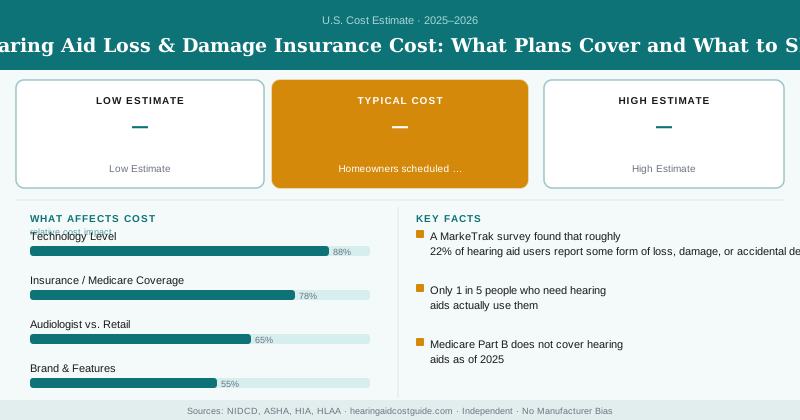
That’s the math behind hearing aid loss and damage insurance. It’s one of the most overlooked purchases in audiology. A MarkeTrak survey found that roughly 22% of hearing aid users report some form of loss, damage, or accidental destruction over a 4-year ownership period. At $2,000–$4,000 per pair for replacement, the risk calculus is worth taking seriously.
Hearing Aid Loss & Damage Plan Costs
| Plan Type | Annual Cost | Deductible | What’s Covered |
|---|---|---|---|
| Manufacturer loss plan (e.g., Phonak) | $75–$120/year per pair | $200–$400 | Loss or damage; one claim per year |
| Audiologist clinic plan | $100–$175/year per pair | $150–$350 | Loss, damage, moisture; clinic-administered |
| Starkey Advantage plan | $90–$130/year per pair | $250 | Loss, damage, repairs |
| Oticon Care plan | $100–$150/year per pair | $200 | Loss, damage; includes follow-up visits |
| Ear Inc. / Esco insurance | $75–$130/year per pair | $200–$400 | Third-party; works with any brand |
| Extend Medical (third-party) | $80–$150/year per pair | $150–$300 | Loss, damage, theft |
| Homeowners scheduled rider | $50–$100/year per pair | $0–$500 | Loss, theft, damage; affects home premium |
What Manufacturer Plans Cover
Most major hearing aid manufacturers offer loss and damage plans through their authorized dispensers. These are purchased at the time of the hearing aid sale or within 90 days of purchase.
Phonak Assurance Plus: Covers accidental damage and loss; one replacement per year per aid; $200–$400 deductible depending on tier. Annual premium approximately $80–$120 per pair.
Oticon Care / Service Plans: Include loss and damage protection plus a set number of follow-up audiologist visits. This bundled approach is attractive if you’d otherwise pay separately for tune-up appointments.
Starkey: Similar structure — loss and damage with per-claim deductible. Some Starkey plans include a replacement hearing aid shipped within 5 business days.
Signia, Widex, ReSound: All offer analogous loss/damage protection through their dispenser networks, typically in the $75–$150/year range with $200–$400 deductibles.
Most manufacturer loss plans must be purchased within 30–90 days of the original hearing aid sale. After that window closes, you’re limited to third-party options (which generally cost 20–40% more annually).
If you’re buying new hearing aids and the audiologist hasn’t mentioned a loss plan, ask before you leave. The best time to enroll is at the point of sale — waiting is almost always more expensive.
Third-Party Plans: ESCO and Extend Medical
Two companies dominate the independent hearing aid insurance market:
ESCO (Ear Service Corporation) has been the leading third-party hearing aid insurer for decades. Their plans work with any hearing aid brand, don’t require enrollment at time of sale, and cover loss, theft, accidental damage, and moisture damage. Annual premiums run $75–$130 per pair with $200–$400 deductibles. They’re often the best option for:
- People who missed the manufacturer enrollment window
- People who bought hearing aids without any protection plan
- Costco hearing aid buyers (Costco doesn’t offer manufacturer loss plans)
- Used or refurbished hearing aid buyers
Extend Medical operates similarly, with slightly varying deductible tiers. Their plans are often bundled with hearing care programs at some retailers.
According to NIDCD, approximately 28.8 million adults in the US could benefit from hearing aids, and among those who own them, average device lifespan is around 5–7 years. That’s a long period during which loss or severe damage can occur — and a $75–$150/year premium looks very different against a 5-year horizon than it does month-to-month.
What These Plans Don’t Cover
Read the fine print before assuming coverage is comprehensive:
- Cosmetic damage — scratches, minor nicks, discoloration — typically excluded
- Loss due to leaving aids in a car or other “negligent” situations (varies by plan — check the policy language)
- Simultaneous loss of both aids — most plans cover one aid per claim per year
- Pre-existing damage — damage that occurred before enrollment is not covered
- Expired plans — you must actively renew; coverage lapses if you don’t pay the annual premium
Some plans also have a per-occurrence cap that may be lower than the current replacement cost for premium hearing aids. If your aids cost $3,500 each and the plan caps replacement at $2,500 per aid, you’re responsible for the difference.
Homeowners/Renters Insurance: When It Makes Sense
Your homeowners or renters policy may cover hearing aids under certain conditions:
- Theft from your home is typically covered under personal property (subject to deductible)
- Accidental damage usually requires a scheduled personal property rider — an endorsement that adds coverage for specific valuable items
The case for using homeowners: it can provide broader coverage and potentially lower deductibles through a scheduled rider ($0–$100 deductible is possible). The case against: claims affect your claims history, potentially increasing premiums. For a $2,000 hearing aid replacement, filing a homeowners claim may cost you more over time in premium increases than the one-time replacement cost.
The general guidance from financial advisors and audiologists: use homeowners coverage for catastrophic loss or theft situations. Use a dedicated hearing aid plan for the more common scenarios — drops, moisture damage, dog incidents, and misplacement.
Some hearing aid plans have replacement requirements: you may be required to replace the lost or damaged aid with the same brand and model, or with a current-year equivalent from the same manufacturer. If you were planning to upgrade anyway, a loss/damage claim may not give you the flexibility to switch brands. Understand the replacement terms before you claim.
The Annual Math
For a pair of mid-range hearing aids ($3,500–$5,000 total replacement cost):
- Loss/damage plan: $100–$150/year
- Average deductible at claim: $250
- Out-of-pocket at claim: $250 (vs. $1,750–$2,500 without coverage)
- Break-even: Less than 1 claimed loss over a 5-year ownership period
For most hearing aid users, that math is straightforward. A $125/year plan with a $250 deductible saves $1,500–$2,200 on a single claim. And with roughly 1 in 5 users experiencing some form of loss or significant damage over a 4-year period, the expected value calculation strongly favors coverage.
Buy the plan when you buy the aids. Don’t wait.
Frequently Asked Questions
Sometimes — but with major caveats. Standard homeowners policies may cover theft of hearing aids, but accidental loss typically requires a scheduled personal property rider. Deductibles of $500–$1,000 often make small claims not worthwhile, and claims can affect your premium. A dedicated hearing aid loss plan is usually more cost-effective for this specific risk.
You're paying out of pocket. A single mid-range hearing aid replacement costs $1,200–$2,500. Many clinics offer payment plans, but the full replacement cost is on you. This is why dedicated loss/damage coverage — at $75–$150/year — has favorable math for most hearing aid users.
No. Manufacturer warranties cover defects in materials and workmanship. They don't cover accidental loss, theft, or damage from drops, moisture, or pet damage. Loss and damage plans specifically cover accidents. You need both.