In 2010, a hearing aid microphone was a single mic. Today most aids carry two or three working together to cut background noise and pinpoint where sound is coming from. That’s a big improvement for your hearing — and a slightly bigger repair bill when one fails.
Microphone replacement usually costs $100 to $400, and it’s almost always a manufacturer-lab repair rather than an in-office fix. Mics are buried deep in the casing, so they’re not something your audiologist swaps at the desk like a receiver or a wax guard.
What Microphone Replacement Costs
| Service | Cost |
|---|---|
| In-office mic port cleaning (often the real fix) | $0–$50 |
| Microphone replacement (lab repair) | $100–$300 |
| Full refurbishment including mics | $200–$400 |
| Replacement under warranty | $0 |
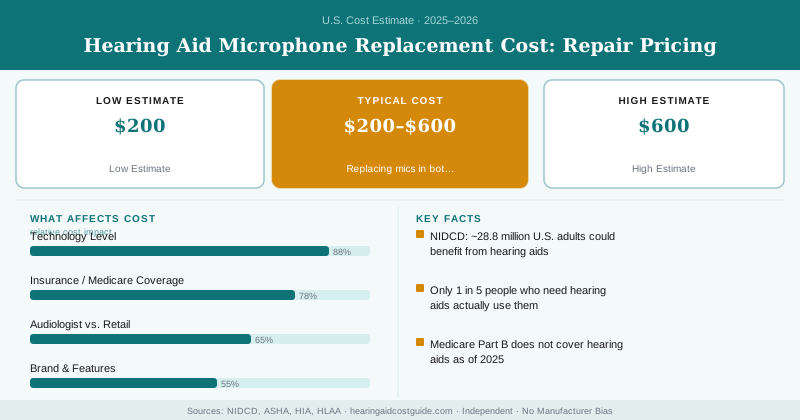
| Replacing mics in both aids | $200–$600 |
Notice the top row. A lot of “dead microphone” complaints are actually just clogged mic ports full of dust and debris. A cleaning fixes them for little or nothing — so that’s always step one.
How a Mic Fails
Microphones are sensitive. They sit behind tiny mesh-covered ports on top of the aid, exposed to dust, hairspray, skin oils, and humidity. Over time those ports clog or the mic element itself degrades.
Signs your microphone may be failing:
- Sound is faint or distorted even after you’ve changed the wax guard and receiver
- One aid picks up far less than the other
- Persistent static or a “dead spot” in noisy rooms
- Directional features (focusing on the person in front of you) stop working
Directionality is a big deal here. Modern multi-mic systems are what let hearing aids separate speech from noise — ASHA highlights noisy-environment performance as one of the top factors in hearing aid satisfaction. When a mic dies, that benefit disappears.
Why It’s a Lab Repair
Unlike receivers, microphones are integrated into the body of the device. Reaching them means opening the sealed casing, which audiologists generally don’t do in-office. So a true mic replacement means shipping your aid to the manufacturer’s lab — usually a one-to-two-week turnaround.
That lab time and skilled work is most of what you’re paying for.
Hairspray, sunscreen, and lotion are notorious mic-port cloggers. Apply them before putting your aids in, and never spray anything near your ears while wearing them. A film over the mic ports muffles sound and can permanently gum up the element — turning a quick cleaning into a $200 lab repair.
Is It Covered Under Warranty?
Frequently, yes. Manufacturer warranties typically cover internal component failures, including microphones, for the first one to three years. If your aids are within that window, the repair should be free. Check our hearing aid warranty guide to see what your plan likely includes.
Out of warranty, you’ll pay the lab repair rate. For older aids, weigh that against a full hearing aid replacement — sometimes a multi-hundred-dollar repair on aging devices isn’t the smart spend.
Microphone replacement costs $100–$400 and is almost always a manufacturer-lab repair, not an in-office one. But many “dead mic” complaints are just clogged ports that a cleaning fixes for next to nothing — so have that checked first. Keep hairspray, lotion, and sunscreen away from the mic ports to avoid the problem entirely.
Protecting the Microphones
Prevention costs almost nothing:
- Keep mic ports clean with a soft brush as part of daily hearing aid cleaning.
- Apply cosmetics first, then insert your aids.
- Dry your aids nightly to fight the moisture that corrodes mic elements.
The NIDCD estimates about 28.8 million U.S. adults could benefit from hearing aids — and proper maintenance is what keeps the ones who own them actually wearing them.
The Bottom Line
A failed microphone is a real repair, not a quick swap — budget $100–$400 unless you’re under warranty. But always rule out clogged ports first, because the fix might be free. Protect your mics from cosmetics and moisture, and you may never need this repair at all. When repair costs climb on older aids, compare them against new hearing aids before committing.
Frequently Asked Questions
Microphone replacement typically costs $100 to $400, depending on the hearing aid brand and model. Since microphones are built deep into the device casing, this repair almost always requires sending your aid to the manufacturer's lab rather than an in-office fix, which accounts for the higher cost.
Most standard health insurance plans do not cover hearing aid repairs, including microphone replacement, as hearing aids are typically considered elective devices. You may have coverage if your hearing aids were purchased through a specialized hearing aid insurance plan or extended warranty, so check your specific policy documents or contact your provider directly.
Microphone replacement usually takes 2 to 4 weeks because your hearing aid must be shipped to the manufacturer's lab for repair. During this time, you may want to ask your audiologist about loaner devices or backup aids to use while waiting for your repaired aid to be returned.