Moisture is the number one enemy of hearing aids. Sweat, humidity, rain, shower steam — any of it can corrode internal components, clog microphone ports, and degrade sound quality over months of daily exposure.
The fix isn’t expensive. But many hearing aid users don’t know the options exist until their audiologist hands them a $250 repair bill that a $20 desiccant jar could have prevented.
Hearing Aid Moisture Protection: Cost by Type
| Product | Cost Range | Best For |
|---|---|---|
| Desiccant jar (silica bead type) | $10–$20 | Everyday maintenance, any climate |
| Dry-Brik desiccant blocks (3-pack) | $5–$12 | Replacement for desiccant cases |
| Electronic hearing aid dryer (no UV) | $30–$80 | Daily users who sweat moderately |
| UV-C electronic dryer (sanitizing) | $80–$150 | Active users; kills bacteria + dries |
| PerfectDry Lux UV dryer | $60–$90 | One of the most popular compact models |
| Dry & Store Global II | $130–$160 | Long-time industry standard |
| Audiologist-grade UV drying system | $200–$300 | Heavy sweaters, hearing care clinics |
| Hearing aid sweat band / cover | $8–$20 | Outdoor activity, exercise |
| Hearing aid dehumidifier tablet | $8–$15 for 30 tablets | Travel use |
Desiccant Jars vs. Electronic Dryers
Desiccant jars ($10–$20) are the entry-level option. You put your hearing aids in overnight with a silica bead canister. The beads absorb ambient moisture passively. They work — especially in moderate climates. Beads lose effectiveness over time and need refreshing in the oven or replacing every few months.
Electronic dryers ($30–$300) use gentle heat (sometimes combined with UV light) to drive moisture out of the hearing aid. They’re significantly more effective for heavy sweaters, humid climates, and active lifestyles.
The UV-C models add a bonus: they kill bacteria and fungi that accumulate on earmolds and domes. According to the American Academy of Audiology, moisture damage and cerumen (earwax) are the two leading causes of preventable hearing aid repairs. UV sanitizing addresses both issues simultaneously.
IP Rating: What Your Hearing Aid Can Already Handle
Many modern hearing aids carry an IP (Ingress Protection) rating:
- IP54: Dust-resistant and splash-resistant. Fine for sweat; not for submersion.
- IP67/IP68: Dust-tight and water-resistant up to 1 meter for 30 minutes. Still benefit from drying, though.
Check your hearing aid’s IP rating. If it’s IP67 or higher (most premium aids from Phonak, Resound, Oticon are), you have more margin. But even IP68-rated aids are not waterproof indefinitely — daily drying is still recommended.
The single best moisture protection habit: open the battery door (or turn off rechargeable aids) every night and place them in a desiccant case or electronic dryer. This takes 10 seconds and protects hundreds of dollars of electronics. Most audiologists include a basic desiccant jar with the hearing aid purchase — use it every single night.
What Climate and Lifestyle Suggest
| Situation | Recommended Product | Estimated Cost |
|---|---|---|
| Dry climate, light sweater | Desiccant jar | $15 |
| Humid climate (SE US, Florida) | Electronic dryer, no UV | $50–$80 |
| Active (exercise, outdoor work) | UV-C dryer + sweat band | $90–$160 |
| Professional who wears aids 14+ hrs/day | Dry & Store or PerfectDry Lux | $80–$160 |
| Swimmer (consult audiologist first) | IP68-rated aid + UV dryer | Varies |
Cost of NOT Protecting Your Aids
Moisture-related hearing aid repairs run $100–$400. Full receiver replacement: $150–$300. Logic board failure from chronic moisture: $300–$600, or often beyond economic repair. A $20 desiccant jar paying for itself by preventing one repair is not hypothetical — it’s the most common story audiologists tell.
Never use a microwave or conventional oven to dry hearing aids. Never use a hair dryer directly on them — the heat warps plastic components and melts adhesives. Stick to purpose-made desiccant jars or electronic dryers with gentle, controlled heat.
The Bottom Line
For most hearing aid users, a $15 desiccant jar used nightly is sufficient — and many audiologists include one at purchase. If you live in a humid climate, sweat actively, or wear your aids 12+ hours a day, upgrade to an electronic UV dryer ($80–$160). The cost of protection is always less than the cost of repair.
Frequently Asked Questions
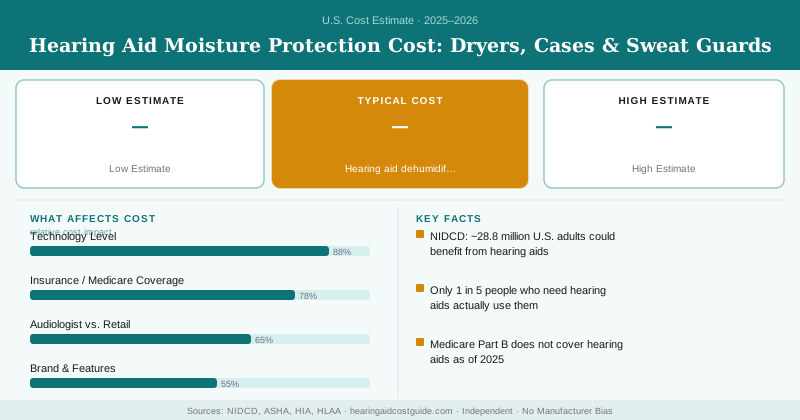
Hearing aid dryers range from $15 to $300 depending on the type. Basic desiccant jars cost $15–$40 and use replaceable silica gel cartridges, while electric dehumidifiers run $80–$150, and UV sanitizing dryers with heating technology cost $200–$300.
Most health insurance plans and Medicare do not cover moisture protection accessories like dryers or cases, leaving these as out-of-pocket expenses. However, some comprehensive hearing aid plans through private insurers or employer coverage may reimburse a portion; contact your specific plan to verify.
You should dry your hearing aids nightly using a desiccant jar or electric dryer, especially if you live in a humid climate, sweat heavily, or expose them to rain and shower steam. A single night of proper drying can prevent the internal corrosion and microphone clogging that typically requires a $250+ repair bill.