What does a hearing aid remote control actually cost? Somewhere between $50 and $250, depending on whether you want a simple volume clicker or a full-color screen that shows battery life and lets you switch listening programs.
The remote is a small handheld that adjusts your aids without you touching your ears. Volume up, volume down, program changes, mute. For people who struggle with the tiny buttons on the devices themselves, it’s a genuine quality-of-life upgrade. For everyone else, the free app on your phone may already do the job.
What Remotes Cost
| Remote Type | Cost |
|---|---|
| Basic volume/program remote | $50–$120 |
| Premium remote with LCD screen | $150–$250 |
| Keychain/mini remote | $40–$90 |
| Smartphone app (Phonak, Oticon, Signia) | $0 |
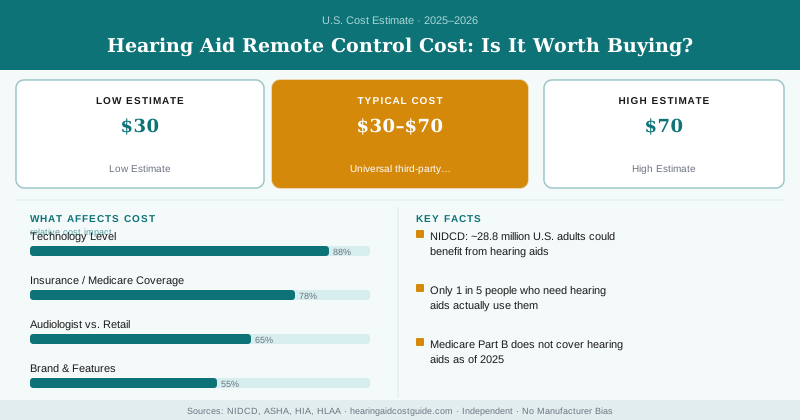
| Universal third-party remote | $30–$70 |
That last row is the catch. If your aids connect to a smartphone app, you’ve already got a remote in your pocket for free. The paid hardware mostly makes sense for folks who don’t carry a smartphone or find apps fiddly.
Who Actually Benefits
A physical remote shines for specific people:
- Anyone with dexterity issues — arthritis, tremors, limited fine motor control. The buttons on hearing aids are genuinely tiny.
- Vision-limited users who can’t see a phone screen well but can feel a tactile button.
- People who don’t use smartphones. The NIDCD notes that hearing aid use rises sharply with age, and not every older wearer carries a phone they’re comfortable navigating.
- Discreet adjusters who’d rather click a pocket remote than pull out a phone in a meeting.
If none of those describe you, the app is probably enough.
Why Not Just Use the App?
Honestly, for most people you should. App-based control is free, gets feature updates, and shows extra data like battery percentage and a “find my hearing aid” locator. The remote’s edge is simplicity — one button, one job, no menus, no charging another gadget.
A hearing aid remote control costs $50–$250, but if your aids pair with a smartphone app, you already have free remote control built in. Buy the physical remote mainly for dexterity problems, vision limitations, or if you don’t use a smartphone. Otherwise, save the money for other hearing aid accessories you’ll actually use.
Brand Compatibility Matters
Remotes are brand-specific. A Signia miniPocket won’t control Phonak aids, and vice versa. Before buying, match the remote to your exact device family. Your audiologist can confirm which remote pairs with your model and order it for you.
Third-party universal remotes exist for $30–$70, but compatibility is hit or miss. Verify before you commit.
Some remotes need their own battery or charging — one more thing to keep powered. And losing a $200 LCD remote hurts. If you’re forgetful with small gadgets, a free phone app may genuinely be the more reliable choice.
Does Insurance Cover It?
Almost never as a standalone item. Remotes fall under accessories, which most plans exclude. Some hearing aid warranty bundles include a remote at purchase, so check what came with your original package before buying a second one.
Medicare doesn’t cover hearing aids or their accessories, so a remote is out-of-pocket unless you have a private plan with hearing benefits.
Where to Buy
- Your audiologist — guaranteed-compatible, can demo it for you
- Manufacturer website — authorized, full price
- Costco Hearing Centers — cheap for members with Costco aids
- Third-party retailers — cheapest, verify compatibility first
The Bottom Line
A remote control is a nice-to-have, not a must-have, for most wearers. If the app works for you, skip it and put the $50–$250 elsewhere. But if you’ve got arthritis, vision trouble, or you just hate fumbling with phone menus, a simple tactile remote is worth every dollar. Either way, learn it at your fitting — the same place you should learn basic hearing aid cleaning so your devices stay in top shape.
Frequently Asked Questions
A hearing aid remote control typically costs between $50 and $250, depending on features. Basic volume and program-switching remotes fall on the lower end, while full-color screen models that display battery life and advanced controls cost more.
Most health insurance plans and Medicare do not cover hearing aid remote controls as they are considered optional accessories rather than essential devices. You can expect to pay the full $50–$250 out-of-pocket, though some manufacturers may offer discounts if purchased with your hearing aids.
Many modern hearing aids work with free smartphone apps that provide the same remote control functions—volume adjustment, program switching, and battery monitoring—without any additional cost. If you own a compatible smartphone, downloading your hearing aid manufacturer's app is often the most affordable alternative to purchasing a physical remote.