That thin plastic tube running from your behind-the-ear hearing aid down into your ear canal? It’s doing a lot of work — and most people never replace it until something goes wrong.
Thin tubes (also called sound tubes, slim tubes, or acoustic tubes) are the narrow plastic conduits on open-fit and standard BTE hearing aids. They harden, yellow, and crack over time. A degraded tube muffles sound and can cause feedback. The fix is cheap: a replacement tube costs $3–$15. The problem is most wearers don’t know until their audiologist points it out.
What Thin Tube Replacement Actually Costs
| Type | Cost Per Tube | Annual Cost |
|---|---|---|
| Standard thin tube (generic) | $3–$8 | $12–$32 |
| Brand-specific tube (Phonak, Oticon, Signia) | $8–$15 | $32–$60 |
| Tube + dome combo pack | $10–$25 | $40–$100 |
| Audiologist-installed replacement | $0–$30 (labor) | Varies |
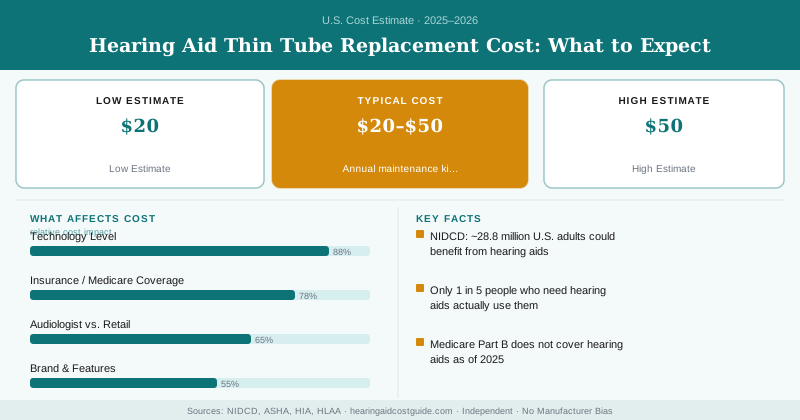
| Annual maintenance kit (tubes + domes + guards) | $20–$50 | $20–$50 |
Most audiologists replace tubes at no charge during routine follow-up visits. If you’re buying separately, a 5-pack from your manufacturer’s website typically runs $15–$25.
How Often Should You Replace Them?
Every 3–6 months is the standard recommendation. Here’s the real-world guidance:
- Every 3 months if you sweat heavily, wear your aids 12+ hours/day, or live in a humid climate
- Every 6 months for average wearers in moderate climates
- Immediately if the tube cracks, turns yellow-brown, or feels stiff and won’t stay in the ear canal
The NIDCD reports that over 28.8 million American adults could benefit from hearing aids — and improper maintenance is one of the top reasons devices underperform. A $5 tube change can restore sound quality that would otherwise send someone back to the audiologist for a full fitting check.
Signs Your Tube Needs Replacing
- Whistling or feedback that wasn’t there before
- Sound seems muffled or “underwater”
- The tube has visible cracks or yellowing
- It keeps popping out of your ear canal
- It’s been more than 6 months since your last replacement
Don’t ignore these. A degraded tube makes the hearing aid work harder, drains batteries faster, and causes distortion.
Brand-Specific Considerations
Different brands use different tube diameters and lengths. Phonak’s slim tubes, Oticon’s thin tubes, and Signia’s slimline tubes are not interchangeable. Getting the wrong size means poor fit and sound leakage.
Check your hearing aid model number before ordering. Your audiologist can also supply the right tube — often for free at an appointment.
Tube replacement is one of the few hearing aid maintenance tasks most users can learn to do at home. Your audiologist should show you the technique at your initial fitting. Watch a manufacturer tutorial video (Phonak, Oticon, and Signia all have them on YouTube). Done correctly, home replacement takes under a minute and saves $0–$30 in labor per visit.
Where to Buy Replacement Tubes
- Your audiologist’s office — Most convenient, often free or bundled with visit
- Manufacturer websites — Exact fit guaranteed; slightly higher price
- Amazon / Hearing Planet — Generic options are cheaper; verify diameter (1mm vs. 2mm) before ordering
- Costco Hearing Centers — Available for members with Costco aids at very low cost
Does Insurance Cover Thin Tube Replacement?
Rarely as a standalone cost. Most hearing aid insurance and warranty plans cover device repairs, but consumable accessories — tubes, domes, wax guards — are typically out-of-pocket. Some audiologists include tubes in an annual maintenance package for $50–$100/year that covers all consumables.
Medicare does not cover hearing aid accessories. If you have a Medicaid hearing plan or insurance with hearing benefits, ask your carrier whether accessories are included.
The Bottom Line
Thin tube replacement is one of the least expensive, highest-impact maintenance tasks for BTE hearing aid users. Budget $20–$50 per year for tubes and domes together. Ask your audiologist to show you how to do it yourself — it’ll save you appointments and keep your aids sounding their best.
According to ASHA (American Speech-Language-Hearing Association), consistent use of well-maintained hearing aids is one of the most effective interventions for hearing loss in adults. Don’t let a $5 tube be the reason your $3,000 investment underperforms.
Frequently Asked Questions
A single thin tube replacement typically costs between $3 and $15 per tube, depending on your hearing aid brand and whether you replace it yourself or have an audiologist install it. Many users purchase tubes in bulk packs of 2–6 for $8–$25 total, which brings the per-tube cost down significantly.
Most standard health insurance plans and Medicare do not cover thin tube replacements, as they are considered maintenance supplies rather than medical devices. However, some employer-sponsored hearing benefits or supplemental hearing plans may reimburse $5–$10 per tube, so you should check your specific plan documents.
Thin tubes typically last 6–12 months before they harden, yellow, or crack enough to affect sound quality, though this varies based on earwax buildup and daily wear. You should replace your tube immediately if you notice muffled sound, feedback, or visible damage—many users keep replacement tubes on hand so they can swap them out at home in minutes without waiting for an audiologist appointment.