Ever notice your behind-the-ear aid sounding flat, or whistling for no reason? Nine times out of ten, the culprit is the tubing — and the fix costs less than a fast-food lunch.
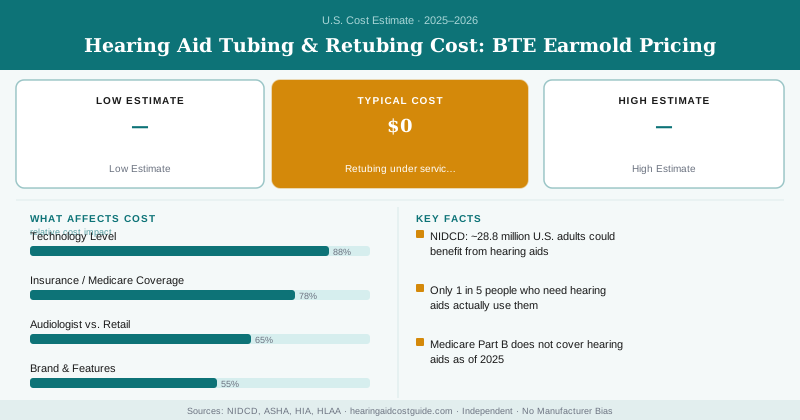
Retubing means replacing the plastic tube that connects a behind-the-ear (BTE) hearing aid to its custom earmold. Over time that tube hardens, yellows, and cracks. Retubing runs $10 to $50 depending on whether you do it yourself or have your audiologist handle it. It’s cheap, fast, and one of the most overlooked pieces of hearing aid maintenance.
What Retubing Costs
| Service | Cost |
|---|---|
| DIY retubing (tube + tool) | $10–$25 |
| Audiologist retubing (per earmold) | $20–$50 |
| Annual maintenance plan (includes retubing) | $50–$150/yr |
| Tubing supplies (bulk, multiple changes) | $15–$40 |
| Retubing under service agreement | $0 |
If you bought aids with a service plan, retubing is often included. Otherwise it’s a small recurring cost most people forget to budget for.
Tubing vs. Thin Tubes — Know the Difference
This trips people up. There are two BTE setups:
- Standard tubing with a custom earmold — a thicker tube glued or threaded into a molded earpiece. This is what “retubing” refers to.
- Thin tubes with a small dome — a slimmer, snap-on tube common on open-fit aids. Those are covered in our hearing aid thin tube replacement guide.
Both harden and crack over time. Both are cheap. But the replacement technique differs, so make sure you know which style you have.
How Often Should You Retube?
Standard tubing should be replaced every three to six months, sometimes sooner if you’re in a hot or humid climate. Here’s the real-world breakdown:
- Every 3 months if you sweat heavily or live somewhere humid
- Every 6 months for average wearers in moderate conditions
- Immediately if the tube yellows, stiffens, or cracks
Don’t wait for it to crack. A stiff tube changes the acoustic properties and degrades sound long before it visibly fails.
Retubing a BTE hearing aid costs $10–$50 and should be done every three to six months. It’s one of the cheapest, highest-impact maintenance tasks there is — a $15 tube change can restore sound quality that would otherwise feel like a failing $2,000 device. Ask your audiologist to teach you the DIY method to save on visits.
Why It Matters So Much
A degraded tube does more than sound bad. It makes the aid work harder, can cause feedback whistling, and drains batteries faster as the device fights to compensate. The ASHA stresses that consistent use of well-maintained hearing aids is among the most effective interventions for adult hearing loss — and a hardened tube quietly undermines that.
The NIDCD estimates roughly 28.8 million American adults could benefit from hearing aids. Poor maintenance is a leading reason owners abandon their devices, often blaming the aid when a $15 tube was the real problem.
Cracked or yellowed tubing isn’t just a sound issue — those cracks let moisture and debris travel up toward the hearing aid’s internals. Letting tubing go too long can turn a $15 maintenance task into a repair bill many times larger.
DIY vs. Audiologist
Retubing is one of the few maintenance jobs many wearers can learn to do at home. Your audiologist should demonstrate it at your initial fitting. The technique — cutting tubing to length, threading it into the earmold, and sealing it — takes a few minutes once you’ve practiced. Manufacturer tutorials walk you through it.
That said, custom earmolds can be tricky, and a poorly seated tube leaks sound. If you’re unsure, the $20–$50 office fee buys peace of mind.
Where to Buy Tubing
- Your audiologist — correct size guaranteed, often shows you how
- Manufacturer or hearing supply websites — bulk packs are economical
- Amazon — cheapest, but verify the diameter matches your earmold
The Bottom Line
Retubing is the maintenance task most people skip and shouldn’t. For $10–$50 every few months, you keep your hearing aids sounding clear and prevent moisture damage down the line. Learn to do it yourself, keep spare tubing on hand, and treat it like any other consumable in your kit of hearing aid accessories.
Frequently Asked Questions
BTE retubing typically costs $10–$50, depending on whether you do it yourself with a DIY kit ($10–$20) or have your audiologist perform the service ($30–$50). This makes it one of the most affordable hearing aid maintenance expenses you'll encounter.
Most health insurance plans and Medicare do not cover routine retubing as it is considered maintenance rather than a medical service. However, some supplemental hearing aid plans or Medicaid programs in specific states may cover part of the cost—check with your plan directly, as out-of-pocket expenses typically range from $10–$50.
Most BTE hearing aids need retubing every 6–12 months, though this varies based on how much you wear them and your ear canal moisture levels. If you notice your aid sounds flat, whistles unexpectedly, or the tubing looks yellowed or cracked, that is a sign retubing is needed immediately to restore proper sound quality.