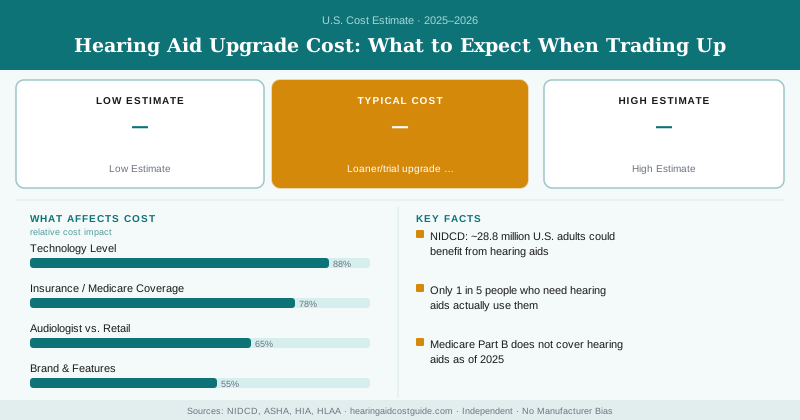
That $4,500 quote to upgrade your 6-year-old hearing aids isn’t random — and it’s usually less than you’d pay starting from scratch. Manufacturers build trade-in credit into upgrade pricing precisely because they want to keep you in their ecosystem, and audiology practices know a happy long-term patient is worth more than a one-time premium sale.
Here’s the thing nobody tells you at the first fitting: hearing aids age. Not just cosmetically — the microphones drift, moisture creeps into the internal components even with proper care, and battery contacts wear down. By year 5 or 6, most people notice the difference between “these still work” and “these used to be great.”
Typical Upgrade Costs by Tier Jump
| Upgrade Path | Cost After Trade-In | What Changes |
|---|---|---|
| Basic → Mid-tier (same brand) | $1,000–$2,500/pair | Better noise reduction, more channels |
| Mid-tier → Premium (same brand) | $2,000–$4,000/pair | Rechargeable battery, AI sound processing, Bluetooth |
| Any tier → Premium (switch brands) | $3,500–$6,000/pair | Full re-fitting, new domes/molds, new app |
| OTC → Prescription premium | $2,500–$5,500/pair | Custom fitting, real-ear verification, follow-up care |
| Loaner/trial upgrade during repair | $0–$300 | Temporary loaner, not a true upgrade |
What Actually Improves Between Generations
The jump from a 6-year-old device to a current one isn’t just marketing. According to the National Institute on Deafness and Other Communication Disorders (NIDCD), hearing aid processing technology has advanced meaningfully in speech-in-noise performance over the past decade — the single biggest complaint patients report with older devices. Rechargeable lithium-ion batteries replaced disposable zinc-air cells in most premium lines around 2018–2020, eliminating the fumbling-with-tiny-batteries problem entirely. And Bluetooth direct streaming to phones — barely available a decade ago — is now standard in mid-tier devices, not just premium ones.
Signs You’re Actually Due for an Upgrade
- You’ve had 3+ repairs in the last two years. At that point, you’re paying repair costs toward a device that’s still going to fail again.
- Battery life has visibly dropped, even accounting for normal aging of rechargeable cells.
- Your hearing has changed since the last fitting — a follow-up audiogram will confirm whether your current aids can even be reprogrammed to match.
- You’re missing features your lifestyle now needs — Bluetooth streaming, tinnitus masking, fall detection, or better wind noise reduction for an active lifestyle.
Most major manufacturers (Phonak, Oticon, Resound, Starkey, Widex, Signia) run loyalty trade-in programs worth $300–$800 per pair toward a new purchase, but the credit amount and eligibility window vary by practice and promotion. Ask your audiologist directly: “What’s the trade-in value on my current aids toward an upgrade, and does it apply to any brand or only the same manufacturer?” Get the number in writing before you commit to anything.
Same Brand vs. Switching: The Real Cost Difference
Staying with your current manufacturer is almost always cheaper and faster. Your existing earmolds or domes often still fit, your audiologist already has your fitting profile on file, and loyalty trade-in credit typically only applies within the same brand ecosystem.
Switching brands means a full re-fitting from scratch: new impressions if you use custom molds, new real-ear measurement verification, and potentially different accessories (TV streamers, remote controls) that aren’t cross-compatible. Budget an extra $500–$1,000 in incidental costs if you’re switching, on top of the device price itself.
Financing the Gap
If your existing aids still function but you’re ready for an upgrade, most practices offer:
- Manufacturer 0% financing plans over 12–24 months through partner lenders
- CareCredit, widely accepted at audiology practices for elective upgrades
- HSA/FSA funds, which apply to the full device cost, not just the portion above insurance coverage
- Trade-in + payment plan combined — many practices will apply your trade-in credit as a down payment and finance the remainder
Don’t upgrade purely because a sales rep says your aids are “outdated.” Ask your audiologist for an objective comparison: current speech-in-noise test scores with your existing aids vs. a demo of the new model in the same environment. If the measurable improvement is marginal, it may make more financial sense to wait another year or two.
An upgrade decision should come down to documented performance gaps, not just age on the calendar. Bring your last audiogram to the consultation and ask for a real-ear verification comparison before signing anything.
Frequently Asked Questions
Upgrading from a mid-tier to premium hearing aid typically costs $1,000–$6,000 per pair after any trade-in credit, depending on the technology tier jump and whether you stay with the same manufacturer or switch brands.
Staying with the same manufacturer is usually cheaper because many offer loyalty trade-in credits of $300–$800 per pair and your existing earmolds or domes may still fit. Switching brands means starting fresh with new fitting, verification, and sometimes new accessories.
Most audiologists recommend evaluating an upgrade every 5–7 years, which aligns with the typical hardware lifespan and battery degradation cycle, though a significant change in your hearing loss or lifestyle needs can justify an earlier upgrade.