You jumped in the pool with your hearing aid still in. Or it went through the wash. Or you got caught in a downpour. Don’t panic — and whatever you do, don’t put it in rice. What you do in the next hour matters more than anything, and the repair, if you even need one, runs anywhere from $0 to $400.
Water damage is one of the most common hearing aid mishaps. Sometimes the device dries out and works fine. Sometimes it needs a lab repair. The outcome depends heavily on how fast you act and what you do first.
What Water Damage Repair Costs
| Scenario | Cost |
|---|---|
| Dries out, no damage | $0 |
| In-office cleaning and check | $0–$75 |
| Receiver or component replacement | $100–$300 |
| Full lab repair (corrosion) | $150–$400 |
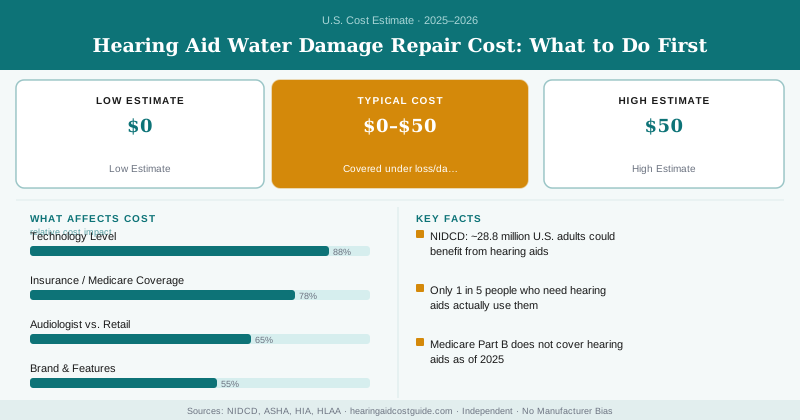
| Covered under loss/damage warranty | $0–$50 deductible |
The wide range reflects reality: a quick splash often costs nothing, while a fully submerged aid left wet for days may need an expensive lab repair — or be a total loss.
The First Hour: Do This
Speed matters because corrosion is what actually kills the electronics, and it sets in fast. Here’s the protocol:
- Get it out of the water and power it down. For battery aids, open the door and remove the battery. For rechargeables, follow the manual — don’t put a wet aid on its charger.
- Wipe it dry gently with a soft cloth. Shake out visible water carefully.
- Open everything that opens — battery door, vents — to let air in.
- Put it in a drying kit, not rice. A proper drying kit with desiccant or gentle heat pulls moisture out without the dust and starch problems rice creates.
- Leave it 24–48 hours before testing. Patience here genuinely saves devices.
Do NOT use rice, a hair dryer, an oven, or a microwave. Rice dust clogs ports and starch can gum up components. Direct heat from a dryer or oven warps the casing and can destroy the lithium-ion battery or electronics. Use a hearing aid drying kit with controlled low heat or desiccant beads — nothing else.
Why Not Rice?
It’s the internet’s favorite advice and it’s bad. Rice doesn’t absorb moisture from inside a sealed device very well, the dust gets into the mic and receiver ports, and starch residue can make things worse. A real drying kit is designed for exactly this and costs little. If you don’t own one, this is your reason to buy one.
Is It Covered?
Maybe. Many manufacturer warranties cover moisture and water damage for the first one to three years, and separate loss-and-damage policies often cover accidents like this for a deductible. Check before you pay out of pocket — our hearing aid warranty guide covers what’s typically included.
If you’ve got coverage, the repair might cost just a small deductible instead of the full lab price.
Water damage repair costs $0–$400, and your actions in the first hour decide which end you land on. Power it down, dry it gently, put it in a proper drying kit (never rice), and wait 24–48 hours before testing. Many aids survive with no repair at all. Check your warranty — moisture damage is often covered.
Are Hearing Aids Waterproof?
Most aren’t fully waterproof — they’re water-resistant, rated to handle sweat and light rain, not submersion. Many modern aids carry an IP68 rating, which means strong dust and moisture resistance, but that’s not a license to swim or shower in them. The ASHA and manufacturers consistently advise removing aids before swimming, bathing, or heavy water exposure. The NIDCD estimates roughly 28.8 million U.S. adults could benefit from hearing aids, and moisture remains one of the most preventable causes of failure among those who wear them.
Preventing the Next One
- Remove aids before swimming, showering, or water sports
- Dry them nightly in a drying kit to clear everyday sweat and humidity
- Keep them out of bathrooms during hot showers (steam counts)
- Use retention clips near water so they don’t fall in
The Bottom Line
A soaked hearing aid isn’t automatically a dead one. Act fast, dry it right, skip the rice, and check your warranty. The repair runs $0–$400 depending on damage — and good first-hour habits often keep it at zero. When water damage on older aids gets expensive, weigh it against a full hearing aid replacement or new hearing aids before paying for the fix.
Frequently Asked Questions
Water damage repair costs between $0 and $400, depending on the extent of damage and whether your device dries out on its own or requires professional lab service. Many devices recover fully with proper immediate drying and may not need repair at all, while severe water intrusion typically costs $200–$400 for professional restoration.
Most standard hearing aid insurance and manufacturer warranties exclude water damage unless you purchased optional accidental damage coverage, which typically costs $15–$25 per month and covers water damage with a deductible of $50–$150. Without this coverage, you will pay out-of-pocket for the full repair cost.
In the first hour, remove the battery, gently dry the device with a soft cloth, and place it in an open container in a warm, dry location—never in rice or other materials. Do not attempt to use or charge the device, and contact your audiologist or manufacturer within 24 hours to determine if professional drying is needed.