Sweat killed a $4,000 pair of hearing aids in under a year. That’s the complaint audiologists hear constantly from hikers, gym regulars, and weekend cyclists who bought devices designed for the recliner, not the trail. If you move a lot, the sticker price isn’t your only worry — durability is.
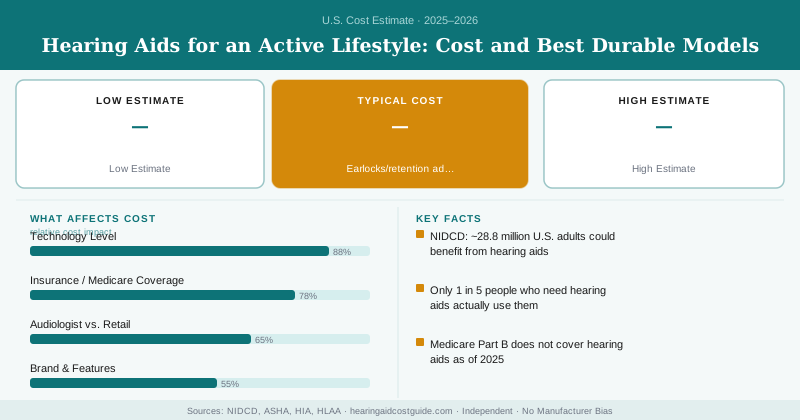
The good news? Active-friendly hearing aids don’t cost more than standard ones. You just have to pick the right features. Expect to pay $1,500–$6,000 per pair depending on technology tier and where you buy.
What Active Hearing Aids Cost
| Option | Cost | Notes |
|---|---|---|
| OTC sport models (Jabra, Sony) | $799–$1,500/pair | IP68 rated, good for mild-moderate loss |
| Costco rechargeable | $1,499–$2,199/pair | Sealed, sweat-resistant, 3-yr care |
| Mid-tier prescription | $2,500–$4,000/pair | Custom fit, retention options |
| Premium prescription | $4,500–$6,000/pair | Top water/dust ratings, locking domes |
| Earlocks/retention add-ons | $10–$30 | Aftermarket clips that prevent loss |
Why the IP Rating Is Everything
That two-digit number on the spec sheet — IP68, IP67 — tells you how sealed the device is. The first digit is dust resistance (max 6). The second is water (max 8). For sweat, rain, and accidental drops in a puddle, you want at least IP67, ideally IP68.
The NIDCD estimates that roughly 28.8 million U.S. adults could benefit from hearing aids, and a growing share of them are active adults who refuse to slow down. Manufacturers responded. Most current receiver-in-canal models now carry IP68 ratings, which means they survive sweat and brief water exposure that would have fried older devices.
For an active lifestyle, prioritize an IP68 rating and a secure retention fit over fancy AI features. A sealed rechargeable model from Costco at $1,499 outlasts a non-sealed premium device costing three times more. Durability beats spec-sheet bragging rights every time.
Style Matters More Than You Think
If you run, lift, or cycle, a behind-the-ear unit that bounces is a problem. Smaller in-canal styles stay put but sweat-clog faster. There’s a tradeoff. Reading our hearing aid styles explained breakdown helps, but here’s the short version for athletes:
- RIC with locking domes: Best all-around. Secure, sealed, easy to clean.
- Custom in-the-ear: Stays put during high-impact activity but needs frequent drying.
- Avoid loose open-fit BTE for running unless you add retention clips.
A 2021 Hearing Industries Association report noted that owner satisfaction climbs sharply when the physical fit is right — and for active users, fit failure is the number one reason devices get returned or lost.
Rechargeable vs. Disposable for Movers
Tiny battery doors are a weak point for water intrusion. A sealed rechargeable hearing aid has no door to leak through, which is one reason they tolerate sweat better. You also won’t be digging for a size 312 battery mid-hike. For most active users, rechargeable wins on both durability and convenience.
Protecting Your Investment
Three cheap habits save expensive devices:
- Dry box every night. A $30–$60 electric dehumidifier pulls moisture out after sweaty days. Non-negotiable for active users.
- Sport clips or “ear gear” sleeves. These fabric covers ($15–$25) wick sweat and add a safety leash so a device doesn’t vanish into the grass.
- Loss-and-damage warranty. Most prescription aids include a one-time loss replacement in year one. Confirm it before you buy, because active users lose devices more than anyone.
If you stream music or take calls on the move, also check our Bluetooth hearing aid cost guide — many sport-friendly models double as wireless earbuds.
“Water-resistant” is not “waterproof.” Even IP68 devices are rated for brief, shallow immersion — not swimming or showering. Take them out before you dive in. If your aids do get soaked, dry them immediately and avoid using heat (no hair dryers, no ovens), which warps the electronics.
Should You Just Buy OTC?
If your loss is mild to moderate and your budget is tight, an OTC hearing aid with an IP68 rating at $799–$1,500 is a legitimate option for active adults. You lose the custom fitting and professional follow-up, but you keep the durability. For moderate-to-severe loss, get a professional fitting — the secure retention you need usually requires custom domes.
Either way, total cost of ownership matters more than the price tag. A cheaper device that dies in a year of sweat is no bargain. Compare full pricing in our main hearing aid cost guide before you commit.
Frequently Asked Questions
Durable hearing aids designed for active people typically cost $1,500–$6,000 per pair, which is comparable to standard models. The price depends on features like sweat resistance, IP68 ratings, and secure-fit design rather than durability alone.
Most Medicare plans do not cover hearing aids, though some Medicare Advantage plans offer limited benefits of $500–$2,000 per pair. Private insurance rarely covers hearing aids unless employer-sponsored plans include them; expect out-of-pocket costs for the majority of active-lifestyle models.
A complete fitting process typically takes 1–2 weeks from initial audiological exam to device adjustment and customization. For active users, allow an additional 1–2 visits to confirm secure fit and sweat-resistance performance before relying on the devices during exercise.