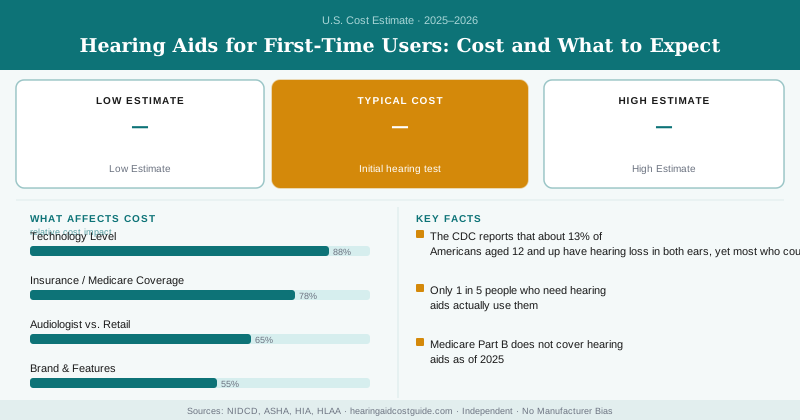
The average person waits about 7 years from noticing hearing loss to actually doing something about it. Seven years of “what?” and turning up the TV and nodding along in restaurants. If you’re finally ready to buy your first pair, congratulations — and brace yourself, because the price range is wide: $1,000 to $5,000 per pair. Where you land depends on choices you’re about to make for the first time.
Let’s walk through what a first-timer actually needs to spend, expect, and avoid.
First-Timer Cost Options
| Option | Cost | Best For |
|---|---|---|
| OTC hearing aids | $799–$1,500/pair | Mild-moderate, budget-conscious |
| Costco rechargeable | $1,499–$2,199/pair | Best value, includes care |
| Mid prescription | $2,500–$4,000/pair | Most first-timers’ sweet spot |
| Premium prescription | $4,500–$5,000/pair | Often more than beginners need |
| Initial hearing test | $0–$250 | First step for everyone |
Step One Costs Almost Nothing
Before you spend on devices, get tested. Many providers — including Costco and big chains — offer free or low-cost hearing tests, and the result tells you whether you even need aids and how strong they should be. Our hearing test cost guide covers what to expect. Skipping this step is how people overspend on the wrong device.
The CDC reports that about 13% of Americans aged 12 and up have hearing loss in both ears, yet most who could benefit from aids have never tried them. You’re joining a huge, under-served group — and the entry process is friendlier than it was even five years ago, thanks to OTC options.
First-time buyers should start mid-tier, not premium — a $1,499–$2,500 rechargeable pair handles most beginners’ needs. Use the trial period (most offer 30–60 days, often with full refunds), and don’t overpay for advanced features you can’t yet judge. Your brain needs weeks to adjust, so cheaper-but-good is the smart first move.
The Adjustment Period Is Real
Here’s what nobody warns first-timers about: your own voice will sound weird. Rustling paper will seem loud. The refrigerator hum you forgot existed comes roaring back. This is normal. After years of quiet, your brain has to relearn everyday sounds, and that takes a few weeks of consistent daily wear. Push through it — most people who quit early simply didn’t give their brain time.
Start by wearing them a few hours a day in quiet settings, then build up to all-day use in busier places. The NIDCD notes that consistent use drives the best outcomes, so wearing them only “when you really need to” actually slows your adjustment.
Use the Trial Period — Always
Reputable sellers offer a trial window, commonly 30–60 days, often with a full or near-full refund. Treat it as a real test drive. Wear the aids in your actual life — restaurants, the car, family dinners, work calls — not just the quiet store. If something’s off, go back for adjustments before the window closes. This protection is one big reason to buy from a provider that offers it.
Picking Your First Style
Most first-timers do well with a receiver-in-canal model — discreet, comfortable, and easy to live with. A rechargeable hearing aid spares you the learning curve of tiny batteries. If you want to stream phone calls or TV, check our Bluetooth hearing aid cost guide. And if you’re unsure about shapes, our hearing aid styles explained breakdown is built for beginners.
Don’t buy the most expensive aids “to be safe” on your first purchase. Premium tiers add features — fine-grained noise programs, advanced connectivity — that first-timers often can’t yet appreciate or distinguish from mid-tier performance. Start mid-tier, learn what matters to you, and upgrade later if needed. Also beware high-pressure sales that skip the trial period; if a seller won’t offer a refund window, walk away.
OTC vs. Professional for Beginners
If your test shows mild-to-moderate loss and you’re comfortable self-fitting via an app, an OTC hearing aid at $799–$1,500 is a legitimate, low-risk first step. If you want hands-on help, a professional audiologist visit gets you fitting support, real-ear verification, and follow-up adjustments — worth it for many beginners who value guidance.
There’s no single right answer; it’s about how much support you want. Compare every path in our complete hearing aid cost guide, start mid-tier, lean on the trial period, and give your brain a few weeks. You waited seven years to hear well again — the first few weeks of adjustment are worth it.
Frequently Asked Questions
First-time hearing aids typically cost $1,000 to $5,000 per pair, depending on the technology level and features you choose. Mid-tier models ($2,000–$3,500 per pair) offer the best balance of functionality and affordability for most beginners. Budget an additional $500–$1,000 for fitting appointments, adjustments, and follow-up care during your first year.
Medicare does not cover hearing aids, though some Medicare Advantage plans offer limited coverage up to $500–$2,000 per pair. Private insurance rarely covers hearing aids, and most plans classify them as non-covered devices; however, your out-of-pocket cost may be reduced by 10–30% through insurance negotiations at hearing centers. Veterans, Medicaid recipients in certain states, and employees with comprehensive plans should check directly with their provider, as coverage varies widely.
Your first appointment includes a hearing test (15–30 minutes), device selection based on your results, and initial fitting—typically lasting 1–2 hours total. You'll receive a trial period (usually 30–45 days) to test the devices at home before finalizing your purchase, allowing you to return them if they don't work for your lifestyle. Plan to return for 2–3 follow-up adjustments over the first month to optimize comfort and performance.