In 2010, a pair of mid-range hearing aids cost about $4,000 and you’d keep them for years out of necessity. Today a comparable pair runs $1,400 to $6,000 — and the bigger question isn’t just price, it’s timing. Replace too soon and you waste money. Wait too long and you spend years hearing worse than you have to.
So how often should you replace them? The short answer: every 3 to 7 years, with 5 being the realistic average. Here’s how to pin down the right moment for you.
Typical Replacement Timeline
| Device Age | What’s Usually Happening | Action |
|---|---|---|
| 0–2 years | Performing well, under warranty | Maintain and clean |
| 3–4 years | Minor wear, possible repairs | Repair as needed |
| 5 years | Tech aging, support tapering | Start planning replacement |
| 6–7+ years | Parts scarce, hearing may have changed | Replace |
Why 5 Years Is the Sweet Spot
Hearing aids live in a brutal spot — inside a warm, humid ear canal, soaking up earwax and sweat every single day. Even with good care, microphones and receivers degrade, and rechargeable batteries lose capacity after a few years.
There’s a second factor people forget: your hearing changes. ASHA notes that age-related hearing loss tends to progress gradually, so a device perfectly tuned five years ago may no longer match your current hearing test results. At some point the fix isn’t reprogramming — it’s a device with more range.
Manufacturer support also fades. After roughly 5 years, companies phase out replacement parts and stop updating the companion app, which is often what finally forces the issue.
Signs It’s Time to Replace
- You’re cranking the volume but still missing words
- Noisy restaurants are harder than they used to be
- Repairs are piling up
- A recent hearing test shows your loss has changed
- The battery dies faster than it once did
- The aids won’t pair with your current phone
If your aids are 5 or more years old and two or three of these ring true, replacement is usually the smart move.
Repair or Replace?
Early on, repairs make sense. An out-of-warranty fix — a failed microphone or receiver — typically runs $200–$400 per aid and can buy you another year or two. See our hearing aid repair cost guide for specifics.
But past the 5-year mark, parts get scarce and repair costs climb while the technology falls behind. Two $350 repairs in a year on an old device often signal it’s time to put that money toward a replacement instead.
How to Stretch Their Lifespan
The single biggest enemy is moisture, followed closely by earwax. The NIDCD and audiologists consistently point to both as the top causes of premature failure. To push toward the 7-year end of the range:
- Wipe the aids down every night
- Use a drying kit or dehumidifier, especially in humid climates
- Change wax guards on schedule
- Keep them clear of heat, hairspray, and the shower
- Get a professional cleaning a couple of times a year
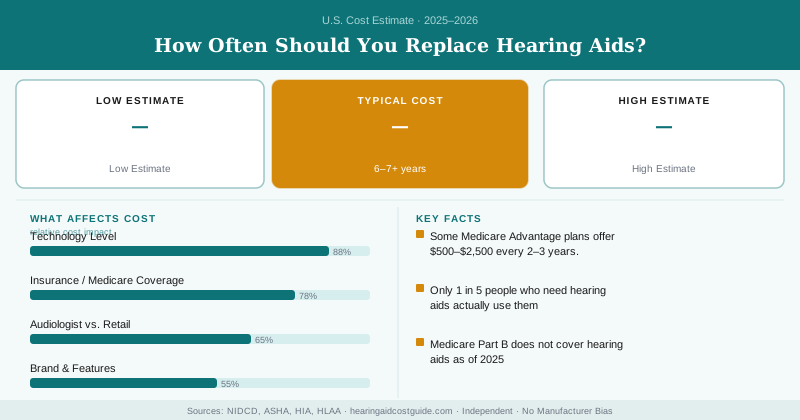
Don’t assume insurance will cover your next pair. Original Medicare pays $0 toward replacements, and Medicare Advantage plans that do offer a hearing allowance often limit it to once every 2–3 years. Check your plan’s replacement cycle before you buy so you’re not caught paying full price out of pocket.
Frequently Asked Questions
How often should you replace hearing aids? Every 3–7 years, averaging about 5. Wear, battery decline, changing hearing, and fading manufacturer support all push toward that window.
Why won’t they last longer? The ear canal is humid and waxy, components degrade, and parts and app support get discontinued after roughly 5 years.
Can I just repair them? Often yes in the early years, at $200–$400 per aid — but repeated repairs on a 5+ year device usually cost more than they’re worth.
How do I make them last? Fight moisture and earwax. Nightly wipe-downs, a drying kit, regular wax-guard changes, and periodic professional cleanings do the most.
Will Medicare help with replacement? Original Medicare pays nothing. Some Medicare Advantage plans offer $500–$2,500 every 2–3 years. An HSA or FSA can also defray the cost since hearing aids are qualified medical expenses.
Bottom line: plan on a new pair roughly every 5 years, watch for the warning signs, and take care of the ones you have. Good maintenance can be the difference between replacing at 4 years and getting a full 7.
Frequently Asked Questions
Most people replace hearing aids every 3 to 7 years, with 5 years being the practical average. The drivers are wear from daily exposure to earwax, moisture, and sweat; battery degradation in rechargeable models; and your changing hearing, which can outpace what your current device can correct. Some aids last longer with good maintenance, but manufacturer support and software updates usually taper off after about 5 years.
They live in a tough environment — inside your warm, humid ear canal, exposed to earwax and sweat daily. Internal components and microphones degrade over time even with cleaning. Rechargeable batteries also lose capacity after a few years. On top of the hardware, manufacturers phase out parts and app support for older models, so repairs eventually become impractical. The American Speech-Language-Hearing Association (ASHA) notes that hearing typically changes gradually too, which can make an older device's tuning inadequate.
Watch for these: you're turning the volume up but still missing speech, you struggle more in noisy places than you used to, the aids need frequent repairs, you've had a new hearing test showing your loss has changed, the batteries die faster, or your device can't connect to your current phone. If your aids are 5+ years old and any of these apply, it's usually time.
Often, yes — especially in the first few years. Out-of-warranty repairs typically cost $200–$400 per aid and can add a year or two of life for issues like a failed microphone or receiver. But once a device is past 5 years, parts get scarce, repair costs climb, and the technology lags behind newer models. At that point replacement usually makes more financial sense than repeated repairs.
Daily habits matter most: wipe them down each night, use a drying kit or dehumidifier to fight moisture, change wax guards regularly, keep them away from heat and hairspray, and bring them in for professional cleaning a couple times a year. The NIDCD and audiologists agree that moisture and earwax are the top causes of premature failure, so controlling both is the single best way to stretch the lifespan toward 7 years.
Original Medicare pays $0 toward hearing aids, including replacements. Some Medicare Advantage plans offer a hearing aid allowance of $500–$2,500, but many limit it to once every 2–3 years, so timing matters. Private insurance varies widely. Check your plan's replacement cycle before you buy — and consider an HSA or FSA, since hearing aids are IRS-qualified medical expenses.