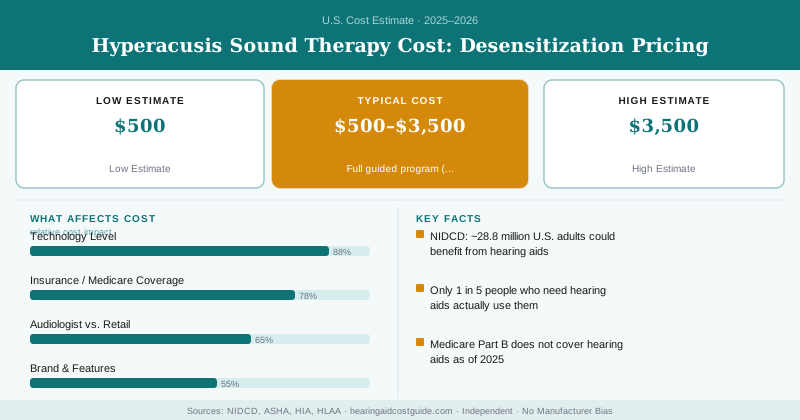
Imagine a running faucet feeling physically painful, or a dish clattering in the sink making you flinch and want to flee. That’s hyperacusis — a reduced tolerance to everyday sounds — and sound therapy is the main evidence-based way to treat it. A full program typically runs $500 to $3,500 depending on how it’s delivered. Here’s where that money goes and how to keep it reasonable.
Hyperacusis Sound Therapy Costs
| Component | Cost |
|---|---|
| Initial audiological evaluation (with LDL testing) | $150–$400 |
| Sound generators / ear-level devices | $200–$2,000 (pair) |
| Structured desensitization program (clinic-guided) | $500–$2,500 |
| Counseling / TRT-style sessions | $100–$250 per session |
| At-home sound therapy (apps + speakers) | $0–$100 |
| Full guided program (typical total) | $500–$3,500 |
The biggest swing is the device choice. You can do a lot with a free sound app and inexpensive speakers, or you can invest in ear-level sound generators that gradually rebuild your tolerance — which is where costs climb toward the top of the range.
How Sound Therapy Works for Hyperacusis
The counterintuitive part: the treatment for sound sensitivity is more sound, not less. Avoiding noise actually tends to make hyperacusis worse over time, because the auditory system gets even more reactive. Structured sound therapy uses low-level, comfortable sound exposure that very gradually retrains your tolerance. It’s slow — often months — but it works for many people.
The American Tinnitus Association notes that hyperacusis and tinnitus frequently occur together, which is why many programs treat them side by side using overlapping techniques.
Hyperacusis sound therapy runs $500–$3,500. The cheapest effective start is low-level sound exposure with apps and basic speakers; ear-level sound generators ($200–$2,000) and clinician-guided programs cost more but help severe cases. Avoiding sound entirely makes hyperacusis worse — don’t do it.
Cheap Start vs. Full Program
If your hyperacusis is mild, a self-directed approach can cost almost nothing: a sound app, soft background noise at home, and a slow, deliberate plan to reintroduce everyday sounds. Many people improve this way for under $100.
Moderate to severe cases — especially with pain or significant life disruption — usually need a clinician-guided program with proper measurement of your loudness discomfort levels and a structured ramp. That’s where the $500–$3,500 range applies.
Don’t reach for earplugs as a daily solution. Constant ear protection in normal environments can worsen hyperacusis by making your auditory system even more sensitive. Save hearing protection for genuinely loud settings, and follow a structured reintroduction plan instead.
How This Connects to Tinnitus Care
Because hyperacusis and tinnitus overlap so often, the treatment paths cross. Many of the same tools appear in the broader tinnitus treatment cost breakdown, and tinnitus retraining therapy is frequently adapted for sound-tolerance work. For a deeper look at the condition itself, the hyperacusis treatment cost guide covers the full picture.
Before starting, get an evaluation — a hearing test and an audiologist visit — so therapy is matched to your actual tolerance levels rather than a generic plan.
Saving Money
- Start self-directed if mild. Apps and soft household sound cost almost nothing.
- Ask about session bundles. Clinics sometimes discount a package of counseling sessions versus paying per visit.
- Borrow before buying devices. Some clinics let you trial sound generators before committing thousands.
- Be patient. Rushing the program tends to backfire; slow and steady is both cheaper and more effective.
The Bottom Line
Hyperacusis sound therapy costs $500 to $3,500, but the floor is surprisingly low — many people improve with apps and a careful, gradual return to everyday sound. Reserve the pricier clinician-led programs and ear-level generators for moderate-to-severe cases. Whatever you do, don’t treat sound sensitivity by hiding from sound.
Frequently Asked Questions
A complete hyperacusis sound therapy program typically costs between $500 and $3,500, depending on whether you receive treatment through a clinic, audiologist office, or use at-home devices. The variation reflects differences in initial diagnostic testing ($200–$400), device costs ($300–$2,000), and the number of follow-up clinic visits required during your desensitization protocol.
Most major health insurance plans cover initial audiological evaluation and diagnosis, though coverage for sound therapy desensitization itself varies significantly by plan and provider. Many patients pay $200–$800 out-of-pocket after meeting their deductible, while some plans classify certain sound generators or hearing devices as non-covered, requiring full self-payment.
Most hyperacusis desensitization programs run 6 to 12 months, with patients wearing sound generators or using therapy devices for several hours daily and attending clinic follow-ups every 4 to 8 weeks. Improvement typically becomes noticeable within 2 to 3 months, though full symptom relief may take longer depending on severity and individual response.