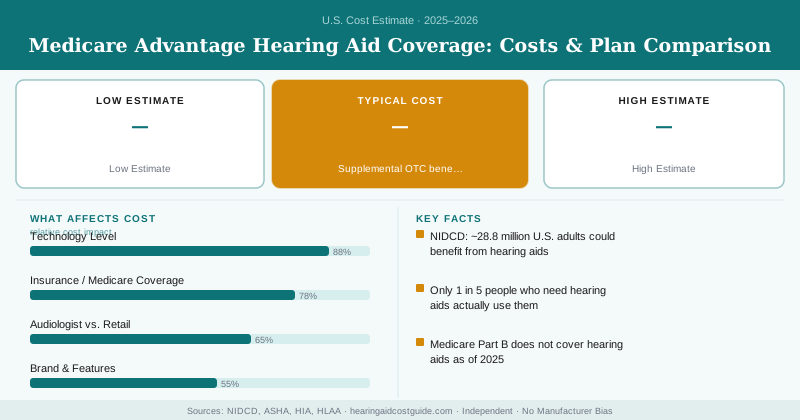
Original Medicare doesn’t cover hearing aids. That one fact drives more people to Medicare Advantage plans than almost any other benefit gap — and rightfully so. Over 3,600 Medicare Advantage plans now include some form of hearing aid coverage, and the difference between the worst and best plans can save you $2,000–$4,000 on a single pair.
But “coverage” is a term that stretches from almost nothing to genuinely useful benefits. Here’s how to tell the difference.
Medicare Advantage Hearing Aid Coverage Tiers
| Coverage Level | What You Pay | What the Plan Covers | Typical Plan Example |
|---|---|---|---|
| No hearing benefit | Full price ($1,500–$7,000+) | Nothing | Basic HMO plans |
| Low-level benefit | $500–$1,500 allowance | Toward any OTC or Rx aid | Many regional plans |
| Mid-level benefit | $0–$500 out-of-pocket | $1,000–$2,000 allowance/pair | Most major MA plans |
| Strong benefit | $0 for basic aids | $2,500–$3,000 allowance/pair | UnitedHealthcare HearingCare, Humana |
| Premium benefit | $0 for mid-range aids | $3,000+ allowance/pair | Some SNP and DSNP plans |
| Supplemental OTC benefit | $0–$200 for OTC aids | OTC allowance card | Some Anthem, Aetna plans |
The Numbers You Need to Know
According to the Kaiser Family Foundation’s 2024 Medicare Advantage enrollment data, approximately 99% of MA enrollees are in plans that offer some supplemental benefits including hearing. But “offering hearing benefits” doesn’t mean comprehensive coverage. The median plan allowance in 2024 was approximately $1,400 per pair per year — barely enough for a basic prescription aid from a major brand.
The Centers for Medicare and Medicaid Services (CMS) reported in 2023 that MA plans vary significantly in hearing benefit value, with the richest 10% of plans providing more than three times the coverage of the median plan.
Major Plans and Their Hearing Benefits (2025 Reference)
UnitedHealthcare with HearingCare: Most AARP MedicareComplete plans include a hearing aid allowance of $1,000–$2,500 per year through the UHC Hearing network (powered by TruHearing). Members typically pay $500–$1,500 for a pair of mid-range prescription aids.
Humana: Offers allowances ranging from $500 to $2,500 depending on the specific plan and county. Some plans include routine hearing exams at $0 copay.
Aetna: Many plans include a $500–$1,500 hearing aid allowance. Some also offer OTC benefit cards that can be applied toward hearing aids or batteries.
BCBS (varies by state plan): Benefits range from $0 to $2,000. Local Blue plans differ significantly — a BCBS plan in Texas may offer very different hearing benefits than one in Florida.
Cigna-Healthspring: Typically includes a $500–$1,200 allowance per pair. Some plans limit coverage to in-network audiologists.
Most MA hearing benefits only apply when you use in-network providers. Going out-of-network often means the allowance doesn’t apply at all. Before choosing a plan, verify that audiologists and hearing centers near you are in-network. TruHearing and HearUSA are two major MA hearing networks — check whether your audiologist participates.
Annual vs. Per-Ear vs. Per-Pair Allowances
Read the fine print. Plans describe benefits three different ways, and they’re not equivalent:
- Per pair: $2,000 covers both aids. Most common framing.
- Per ear: $1,000 per ear = $2,000 for bilateral aids. Same math, different presentation.
- Per year: Benefit resets annually. If you don’t use it, you lose it.
- Every 2–3 years: Some plans restrict how often you can use the benefit. Buying aids in year 1 may mean no coverage until year 3.
If you have mild hearing loss in one ear and significant loss in the other, verify whether “per ear” benefits can be applied to just one device.
What’s Usually Covered (and What’s Not)
Typically covered: Hearing exam (with PCP referral often required), fitting and programming, one pair of aids per benefit period, basic follow-up adjustments.
Often not covered: Premium technology tiers (rechargeable, Bluetooth, directional mics), extended warranties, loss and damage coverage, replacement domes and filters, second opinions with out-of-network audiologists.
Gray area: Remote programming visits, telehealth audiology, over-the-counter aids — coverage for these varies widely by plan and is changing rapidly.
How to Maximize Your Benefit
Call the plan’s hearing line before enrolling — not just customer service. Ask specifically: “What is the per-pair dollar allowance? Which technology levels are covered? What’s my out-of-pocket maximum for hearing aids?”
Compare the allowance against actual device costs — a $1,500 allowance on $3,000 aids still leaves you paying $1,500. Use the benefit to access mid-range technology, not to partially subsidize premium aids.
Check your benefit period reset date — if it resets January 1, buying aids in December versus January makes no difference. If it’s based on your enrollment date, plan accordingly.
Use the annual hearing exam benefit — even if you’re not buying aids yet. Many plans cover audiologist visits at $0 copay. Baseline audiograms document your hearing for future benefit claims.
Ask about OTC card programs — some plans provide supplemental benefit cards ($100–$300) applicable to OTC hearing aids, batteries, or accessories. These work even if you’ve already used your aid allowance.
The Bottom Line
The gap between a mediocre MA hearing benefit and a strong one can exceed $3,000 per pair. If hearing aids are in your near-term plans, hearing benefit value should be a top consideration when choosing or switching Medicare Advantage plans. Open enrollment runs October 15 – December 7 annually. Compare plans at Medicare.gov using the Plan Finder tool — filter by hearing benefits before comparing premiums.
Frequently Asked Questions
Most Medicare Advantage plans cover hearing aids with a copay or coinsurance ranging from $0 to $2,500 per pair, depending on your specific plan and the hearing aid model you choose. The best plans cover 100% of the cost up to a set benefit amount (often $2,000–$3,000 per ear annually), while basic plans may only cover $500–$1,000 per pair with significant patient cost-sharing.
No, Original Medicare does not cover hearing aids or hearing aid fittings, which is why over 3,600 Medicare Advantage plans now include hearing aid benefits to fill this gap. If you have Original Medicare, you would need to pay the full cost of hearing aids out-of-pocket, typically $2,000–$6,000 per pair depending on the technology level.
Most Medicare Advantage plans can process a hearing aid claim within 1–2 weeks once your audiologist submits the fitting documentation and your plan approves the benefit. You should plan for an initial hearing test (often covered at no cost), a 2–4 week fitting and adjustment period, and then submission for insurance reimbursement or direct billing to your plan.