About 2 to 3 babies out of every 1,000 born in the United States are born with hearing loss in one or both ears — making it one of the most common birth conditions in the country. The good news: virtually every state now requires a hearing screening before discharge from the hospital, and it’s almost always free to the family.
Here’s what the tests cost, what happens if your baby doesn’t pass the first screen, and what follow-up care runs.
Hospital Newborn Hearing Screening: Cost Breakdown
| Test / Service | Typical Cost | Insurance Coverage |
|---|---|---|
| Hospital OAE screening (at birth) | $0–$75 | Covered under most plans |
| AABR screening at hospital | $0–$75 | Covered under most plans |
| Out-of-pocket if uninsured | $25–$150 | N/A |
| Diagnostic ABR follow-up | $200–$600 | Usually covered |
| Audiological evaluation (age 3–6 months) | $150–$400 | Usually covered |
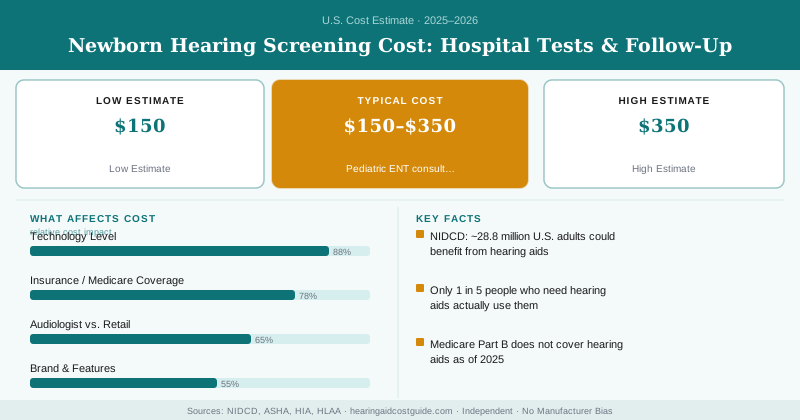
| Pediatric ENT consultation | $150–$350 | Usually covered |
The CDC’s Early Hearing Detection and Intervention (EHDI) program tracks hearing screening data nationally. In 2022, over 97% of U.S. newborns received a hearing screening before leaving the hospital. Most families pay nothing — the cost is bundled into the birth hospital stay and covered by insurance or Medicaid.
The Two Tests Used at Birth
OAE (Otoacoustic Emissions): A tiny speaker plays soft sounds into the ear canal. A sensor detects the echo the healthy cochlea produces. Takes about 5–10 minutes. No needles, no pain.
AABR (Automated Auditory Brainstem Response): Small sensors on the baby’s head measure brainwave responses to clicking sounds. Slightly more sensitive than OAE alone — many hospitals use both.
Neither test hurts. Babies sleep through them. A “refer” result (not a pass) just means the test needs to be repeated — it doesn’t confirm hearing loss.
What “Refer” Means (and What It Costs)
About 2–10% of newborns get a “refer” result on the initial screen. Most of these babies have normal hearing — fluid in the ear canal from birth is the most common cause. Still, every “refer” result should be followed up.
The standard timeline (per EHDI guidelines):
- 1 month — Rescreen with OAE or AABR
- 3 months — Full diagnostic audiological evaluation if still not confirmed
- 6 months — Begin intervention (hearing aids, therapies) if hearing loss is confirmed
Don’t delay follow-up. Research shows that children with hearing loss who receive intervention by 6 months of age have significantly better language outcomes than those who start later. If your hospital gave you a referral, schedule the follow-up immediately — don’t wait for another well-child visit.
Costs If Hearing Loss Is Confirmed
If diagnostic testing confirms hearing loss, the costs escalate meaningfully:
- Pediatric hearing aids: $1,500–$7,000 per pair (see our full pediatric hearing aids cost guide)
- Ear molds: $50–$150 every few months (children’s ears grow fast)
- Audiologist follow-ups: $100–$300 per visit, often every 3–6 months
- Early intervention services: Often free through IDEA Part C (federal program for children birth–3)
- Speech-language therapy: $100–$300/hour, frequently covered by insurance
The CDC’s EHDI program notes that early identification and intervention can significantly reduce the long-term costs associated with hearing loss, including special education and communication support.
Insurance and Program Coverage
- Private insurance: Most ACA-compliant plans cover newborn screening as preventive care with no cost-sharing
- Medicaid/CHIP: Fully covered in all states
- IDEA Part C: Federal program covers early intervention services (speech therapy, audiological services) for children birth–3 with confirmed hearing loss
- State programs: Many states have equipment loan programs for infant hearing aids
The Bottom Line
The newborn hearing screen itself costs you nothing in most cases. If your baby gets a “refer” result, budget $200–$600 for follow-up diagnostic testing — usually covered by insurance. The key is acting fast. The difference between starting intervention at 3 months versus 12 months has measurable, lasting effects on a child’s language development. Don’t let paperwork delays or cost concerns slow you down.
Frequently Asked Questions
Initial newborn hearing screening at the hospital costs $0–$75, though most families pay nothing out-of-pocket because it's covered by insurance or state programs. If follow-up testing is needed after a failed initial screen, diagnostic audiology evaluations typically range from $100–$300 depending on the facility and your insurance coverage.
Yes, most insurance plans and state Medicaid programs cover newborn hearing screening as a preventive service with no out-of-pocket cost. However, if your newborn requires follow-up diagnostic testing or treatment (such as hearing aids), you may have copays, coinsurance, or deductibles depending on your specific plan.
Hearing screening is performed before your baby leaves the hospital, usually within 24–48 hours of birth, using non-invasive tests like otoacoustic emissions (OAE) or auditory brainstem response (ABR). If your baby doesn't pass the initial screen, you'll be referred for follow-up diagnostic testing within 2–4 weeks to confirm whether hearing loss is present; this second evaluation typically occurs at an audiology clinic.