$200 versus $1,500 sounds like an easy call — until you factor in the fitting, the follow-up, and the return window. Over-the-counter hearing aids and Costco both promise to undercut the $5,000 clinic price, but they’re not the same kind of deal. One hands you a box; the other hands you a box plus a professional.
Let’s compare what you actually get.
OTC vs. Costco at a Glance
| Factor | OTC Hearing Aids | Costco |
|---|---|---|
| Price per pair | $200–$2,500 | $1,400–$2,200 |
| Professional fitting | No (self-fit) | Yes, included |
| Follow-up appointments | None | 3 years free |
| Trial / return | 30–45 days typical | 180 days |
| Best for | Mild loss, tech-comfortable | Mild-to-severe loss |
The cheapest OTC options win on raw sticker price. But Costco bundles in a hearing test, professional programming, and three years of free adjustments — services that would cost $1,000+ separately at a clinic.
What OTC Actually Means
The FDA established the OTC hearing aid category in 2022, letting adults buy devices without a prescription or audiologist visit. Prices range wildly — from $200 basic amplifiers-with-an-app to nearly $3,000 for premium self-fit models. The catch: you set them up yourself. Our full OTC hearing aid cost guide covers the whole spectrum.
OTC devices are intended only for adults 18+ with perceived mild-to-moderate hearing loss. If your loss is moderate-to-severe, most OTC products simply won’t provide enough power.
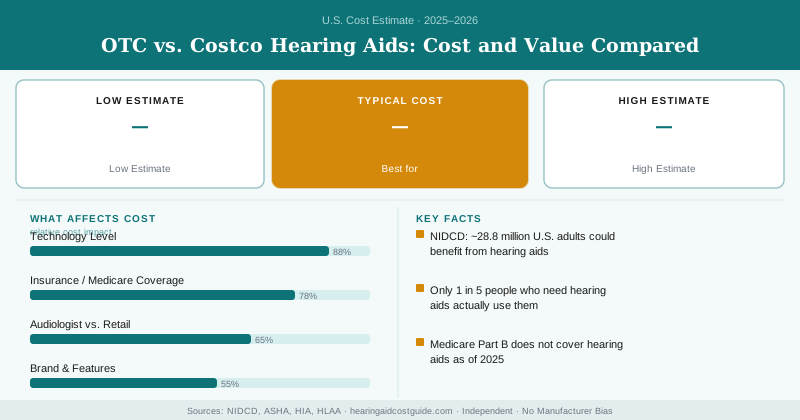
OTC hearing aids beat Costco on the lowest entry price ($200 vs. $1,400) but include zero professional support. Costco costs more upfront yet bundles a fitting, three years of free follow-up, and a 180-day trial — making it the better value for most buyers despite the higher sticker.
The Costco Advantage
At Costco, a hearing instrument specialist tests your hearing, programs your devices to your specific loss, and adjusts them as your needs change for three years — at no extra charge. The 180-day trial period is one of the longest in the industry. See the full model list in our Costco hearing aids cost breakdown.
That professional fitting isn’t trivial. Research consistently shows that hearing aids verified with real-ear measurement perform meaningfully better than ones set up by ear or guesswork.
When OTC Wins
OTC makes sense if:
- Your loss is genuinely mild
- You’re comfortable with smartphone apps
- You want to spend the absolute minimum to try amplification
- You don’t have easy access to a Costco hearing center
For a tech-savvy person with mild loss who wants to test the waters cheaply, an OTC device can be a smart, low-risk entry point.
“OTC” and “hearing amplifier” are not the same thing. True OTC hearing aids are FDA-regulated for mild-to-moderate loss; cheap personal sound amplifiers (PSAPs) are not regulated as hearing aids at all. If a $40 product makes no FDA claims, it’s likely an amplifier — not a hearing aid — and may do more harm than good at high volumes.
The Hidden Costs
OTC’s low price can be deceiving. If a self-fit device doesn’t work for you, you may burn through the return window troubleshooting alone, then end up at a clinic anyway — paying twice. The NIDCD reports that only about 1 in 5 adults who could benefit from hearing aids use them, and a poor first experience with an unsupported device is one reason people give up.
A 2024 AARP report found cost remains the top barrier to treatment, which is exactly why both these routes exist.
Bottom Line
Buy OTC if your loss is mild, your budget is tight, and you’re confident with self-setup. Buy from Costco if you want professional fitting, a long trial, and years of free follow-up for a still-reasonable price. For most adults, Costco’s bundled support justifies the higher upfront cost — but the right answer depends on your loss level and comfort going it alone. Compare both against the full hearing aid cost picture before deciding.
Frequently Asked Questions
OTC hearing aids range from $200 to $2,500 per pair and can be purchased online or in-store without a fitting appointment. Costco hearing aids cost $1,400 to $2,200 per pair and include a professional fitting service, which adds value but increases the overall price compared to budget OTC options.
Most traditional health insurance plans, including Medicare, do not cover hearing aids as they are classified as durable medical equipment with limited or no benefit. However, some Medicare Advantage plans and supplemental insurance policies may offer partial coverage of $500 to $2,000 toward hearing aids, so you should contact your plan directly to verify your out-of-pocket costs.
Most OTC hearing aids offer a 30 to 45-day return window, allowing you to test them at home and return them for a full or partial refund if they don't meet your needs. Costco typically provides a longer trial period of 6 months with fitting adjustments included, making it easier to ensure the devices work before committing to the purchase.