You finished a course of antibiotic ear drops and your ear feels worse, not better — itchy, full, maybe with a fuzzy or grayish discharge. There’s a decent chance you’ve got otomycosis, a fungal infection of the ear canal. It’s frequently mistaken for ordinary swimmer’s ear, and that mix-up matters because antibiotics do nothing for fungus and can actually make it bloom.
Otomycosis is more common in warm, humid climates, in swimmers, and in people who’ve recently used antibiotic drops. The American Academy of Otolaryngology lists fungal infection among the causes of external ear canal inflammation that need targeted antifungal treatment rather than antibiotics.
Why It’s Usually Cheap to Treat
The good news: most fungal ear infections are treated inexpensively once correctly diagnosed. The cornerstone is professional cleaning of the canal to remove the fungal debris, followed by antifungal drops or powder. No surgery, no implant, no big imaging bill in routine cases.
The trap is the diagnosis. Treated as bacterial swimmer’s ear, it lingers and costs you extra visits. Treated as fungal, it usually clears in a couple of weeks.
Cost Breakdown
| Treatment | Cost (No Insurance) |
|---|---|
| Primary care or urgent care visit | $120–$300 |
| ENT evaluation | $200–$450 |
| Microscopic ear cleaning (debridement) | $100–$300 |
| Topical antifungal drops | $20–$120 |
| Antifungal powder / acidifying drops | $15–$60 |
| Oral antifungal (stubborn/recurrent cases) | $30–$200 |
| Follow-up cleaning visit | $100–$300 |
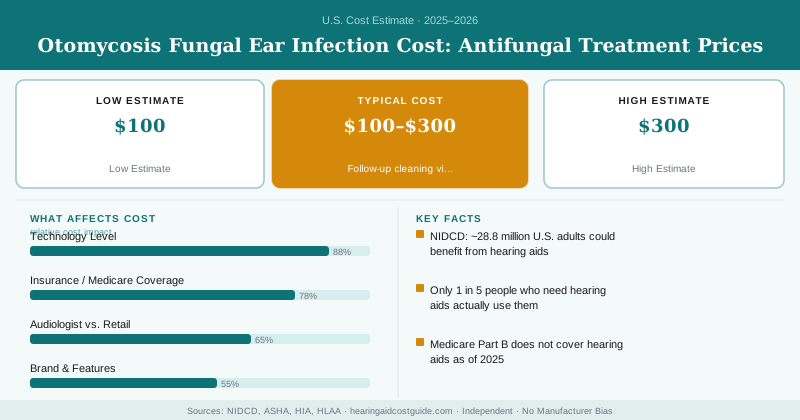
For most people, the whole episode lands in the $150–$600 range — a visit, a cleaning, and a bottle of antifungal drops.
Once correctly diagnosed, otomycosis usually costs $150–$600 to treat: a visit, professional canal cleaning, and antifungal drops. The expensive mistake is treating it as bacterial swimmer’s ear — antibiotics don’t work on fungus and can worsen it, leading to extra visits and a longer infection.
Diagnosis Is the Whole Game
Otomycosis and bacterial swimmer’s ear look similar from the outside, but they need opposite treatments. An ENT or provider can usually spot the fuzzy fungal growth under magnification, sometimes confirming with a culture. Getting that right the first time is what keeps the cost low. An audiologist or ENT exam is worth it if standard swimmer’s-ear treatment isn’t working — that’s a classic sign you’ve got fungus instead.
If the canal is packed with debris, you may also need it cleared properly. Don’t confuse this with simple wax buildup, though — ear wax removal is a different, even cheaper visit. And if the infection is muffling your hearing, a quick hearing test confirms it’s the infection and not something deeper.
Insurance Coverage
Otomycosis is a diagnosed infection, so visits, cleanings, and antifungal medications are covered by standard health insurance after copays and deductible. The medications are mostly inexpensive generics or compounded drops. Coverage here is routine and unrelated to hearing aid rules, since this is a treatable infection, not a hearing-device issue.
Don’t keep using leftover antibiotic ear drops hoping the infection clears. If it’s fungal, antibiotics feed the problem by killing off competing bacteria — and you’ll burn money on repeat visits while the infection digs in. If swimmer’s ear treatment isn’t working after a few days, stop and get re-evaluated for fungus.
How to Keep Costs Down and Stop Recurrence
- Get the right diagnosis first. Insist on a proper look if antibiotic drops aren’t working — fungus needs antifungals.
- Keep ears dry. Fungus loves moisture; dry your ears after swimming and showering to prevent recurrence.
- Skip the cotton swabs. They scratch the canal and push debris in, inviting both fungal and bacterial infections.
- Finish the antifungal course and the follow-up. Stopping early is the main reason otomycosis comes back and costs you a second round.
Bottom Line
Otomycosis is a cheap, very treatable infection — usually $150 to $600 for a visit, a cleaning, and antifungal drops — as long as it’s correctly identified as fungal. The real cost driver is misdiagnosis: treating it as bacterial swimmer’s ear wastes money and prolongs the infection. If standard ear-infection treatment isn’t working, get checked for fungus, keep your ears dry, and finish the full course to keep it from coming back.
Frequently Asked Questions
Otomycosis treatment generally costs between $150 and $600 in the US, depending on the severity of the infection and whether it requires multiple office visits. Stubborn or recurrent fungal infections may exceed $600, especially if specialist ear, nose, and throat (ENT) care is needed rather than primary care treatment.
Most health insurance plans cover otomycosis treatment when diagnosed and treated by a licensed physician, though your out-of-pocket cost depends on your deductible and copay structure. Many plans require a $25–$75 copay per visit, plus any specialist referral fees, but antifungal ear drops are typically covered once medically necessary rather than classified as cosmetic or elective.
Otomycosis treatment typically takes 2–4 weeks of daily antifungal drops, with most patients experiencing symptom relief within 7–10 days of starting the correct medication. If your infection does not improve after 2 weeks of proper antifungal treatment, you should return to your doctor to rule out misdiagnosis or resistant fungal strains that may need stronger prescription options or oral antifungals.