The $3,000 surgeon’s bill is almost never the whole story with stapedectomy — but it’s where most patients look first. If you or a family member has been diagnosed with otosclerosis and told that surgery could restore your hearing, you’re probably trying to figure out what this actually costs, what insurance covers, and whether the hearing aid alternative makes more sense financially. Here’s a clear breakdown of each option.
Otosclerosis Treatment Costs at a Glance
| Treatment | Total Cost (Uninsured) | Typical Out-of-Pocket (Insured) |
|---|---|---|
| Stapedectomy (surgeon fee only) | $3,000–$7,000 | Covered at negotiated rate |
| Stapedectomy (surgeon + facility + anesthesia) | $8,000–$20,000 | $1,500–$6,000 (after deductible/OOP max) |
| Sodium fluoride treatment (monthly) | $10–$20/month | $5–$15/month with Rx coverage |
| Hearing aid (if surgery declined) | $2,000–$7,000 | $0–$2,500 (hearing benefit varies widely) |
| Pre-op audiology evaluation | $150–$350 | $20–$100 (copay/deductible) |
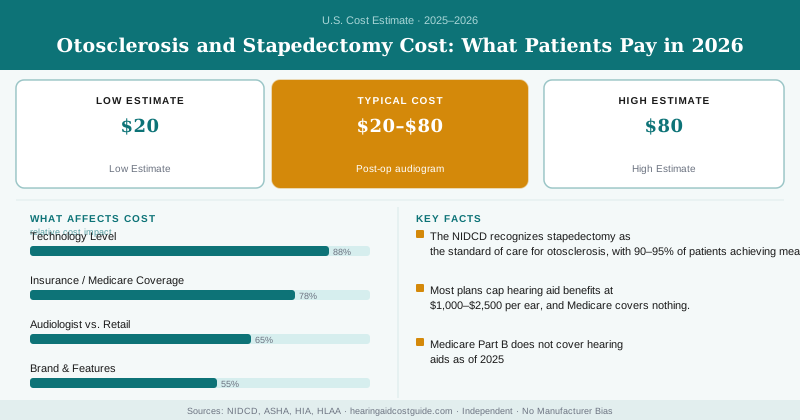
| Post-op audiogram | $100–$250 | $20–$80 |
What Is Otosclerosis?
Otosclerosis is a condition where abnormal bone growth in the middle ear gradually locks the stapes — the tiny stirrup-shaped bone that transmits sound vibrations to your inner ear — in place. The result is a slowly worsening conductive hearing loss, often noticed first as difficulty hearing low-pitched sounds or conversational speech in noisy rooms.
The National Institute on Deafness and Other Communication Disorders (NIDCD) estimates that otosclerosis affects approximately 3 million Americans. It’s most common in Caucasian women between ages 15 and 45, but it’s frequently not diagnosed until middle age or later, when the hearing loss has become significant enough to interfere with daily life.
The Surgical Option: Stapedectomy
Stapedectomy is the standard surgical treatment. A surgeon removes the fixed stapes bone and replaces it with a small prosthetic — a procedure that’s been performed with high success rates for over 60 years. The NIDCD recognizes stapedectomy as the standard of care for otosclerosis, with 90–95% of patients achieving meaningful hearing improvement.
What drives the cost range is straightforward:
- Surgeon fee: $3,000–$7,000 depending on region and surgeon volume. Otolaryngologists who specialize in otology (ear surgery) may charge at the higher end, but their complication rates are typically lower.
- Facility fee: $3,000–$8,000. Stapedectomy is almost always outpatient, but facility charges vary significantly between ambulatory surgery centers (lower) and hospital outpatient departments (higher).
- Anesthesia: $1,500–$3,500 for a 60–90 minute procedure under general or local-with-sedation anesthesia.
The total out-of-pocket for insured patients is typically $1,500–$6,000, depending on whether you’ve met your deductible and your plan’s annual out-of-pocket maximum. Because stapedectomy is classified as a medically necessary surgical procedure, Medicare and most commercial insurance plans cover it under standard medical benefits — not the more limited hearing benefit.
Medicare Part B covers stapedectomy as a medically necessary surgical procedure when ordered by a physician. The 20% coinsurance after your deductible ($240 in 2026) applies, so a $10,000 procedure leaves you with roughly $2,000–$2,500 in Medicare cost-sharing. If you have a Medicare Supplement (Medigap) plan, most or all of that coinsurance is covered.
This is meaningfully different from hearing aids, which Medicare does not cover. Stapedectomy goes through your medical benefit, not a hearing-specific rider.
The Non-Surgical Alternative: Hearing Aids
If surgery isn’t an option — because of health conditions, single hearing ear, or personal preference — a properly fitted hearing aid can compensate well for the conductive hearing loss caused by otosclerosis. Expect to pay $2,000–$7,000 for a quality aid, with far less insurance coverage. Most plans cap hearing aid benefits at $1,000–$2,500 per ear, and Medicare covers nothing.
The financial math is worth thinking through clearly: a single stapedectomy at $5,000–$6,000 out-of-pocket might compare favorably to $3,000–$5,000 in hearing aid costs over five years (including batteries, replacements, and adjustments) — especially since the surgery treats the underlying problem rather than compensating for it.
Sodium Fluoride: Slowing Progression First
Some audiologists and ENTs recommend a trial of sodium fluoride before surgery, particularly for patients with active otosclerosis (measured by bone density changes on CT scan). Sodium fluoride can slow or stop the progression of abnormal bone growth — it doesn’t reverse existing hearing loss, but it may stabilize it. At $10–$20 per month for an OTC or compounded fluoride supplement, this is a low-cost first step worth discussing with your otologist.
Don’t buy “ear drop” products marketed for otosclerosis online. Otosclerosis is a middle ear bone condition — ear drops cannot reach the stapes and have no effect. Only oral sodium fluoride, prescribed or recommended by your physician, has any evidence behind it. Talk to your ENT before starting any supplement.
Getting the Most from Your Consultation
A few things that will save you money and frustration before you book surgery:
Get a high-resolution CT scan of the temporal bones, not just an audiogram. CT confirms the diagnosis and rules out other causes of conductive hearing loss, including ossicular chain disruption. Many ENTs order this before committing to surgery; if yours doesn’t, ask.
Ask specifically whether your surgeon performs stapedectomies regularly. This is microsurgery on structures measured in millimeters. A surgeon who does 20+ stapes procedures per year has meaningfully better outcomes than one who does two or three annually.
Confirm network status for every provider separately — surgeon, anesthesiologist, and facility. It’s common for the facility to be in-network while the anesthesiologist is not, generating a surprise bill.
For most people with confirmed otosclerosis and good overall health, stapedectomy is both highly effective and well-covered by insurance. The out-of-pocket cost is real, but the functional result — restored hearing without an aid — is one of the better value propositions in elective ear surgery.
Frequently Asked Questions
Total stapedectomy costs range from $8,000 to $20,000, including surgeon fees ($3,000–$5,000), facility charges ($4,000–$10,000), anesthesia ($1,500–$3,000), and post-operative care. Your actual cost depends on your surgeon's experience, the facility type (hospital vs. outpatient surgery center), and your geographic location.
Yes, Medicare and most private insurers cover stapedectomy as a medically necessary procedure when otosclerosis is diagnosed and hearing loss is documented. Out-of-pocket costs typically range from $500 to $3,000 depending on your deductible, coinsurance percentage, and whether you've met your annual maximum; always verify coverage with your specific plan before scheduling.
Most patients return to normal activities within 2–3 weeks, though full hearing improvement can take 4–6 weeks as swelling resolves. Non-surgical alternatives include hearing aids, which cost $1,500–$6,000 per pair but require ongoing maintenance and replacement every 3–7 years, making stapedectomy a one-time solution for eligible candidates.