$50 to $150. That’s all a single earmold costs — which sounds trivial next to a $3,000 hearing aid. But here’s the math that surprises parents: a fast-growing infant needs new earmolds every couple of months, in both ears, and those small charges quietly add up to hundreds of dollars a year. Earmold replacement is the recurring cost of pediatric hearing care, and it deserves its own line in your budget.
Let’s break down how often kids actually need new molds, what drives the cost, and how to keep this ongoing expense in check.
What Earmold Replacement Costs
The per-mold price is small. The frequency is what makes it add up.
| Item | Cost |
|---|---|
| Single soft earmold (each) | $50–$150 |
| Earmold impression appointment | $0–$100 |
| Bilateral set (both ears) | $100–$300 |
| Infant annual total (frequent remakes) | $400–$900 |
| School-age child annual total | $100–$400 |
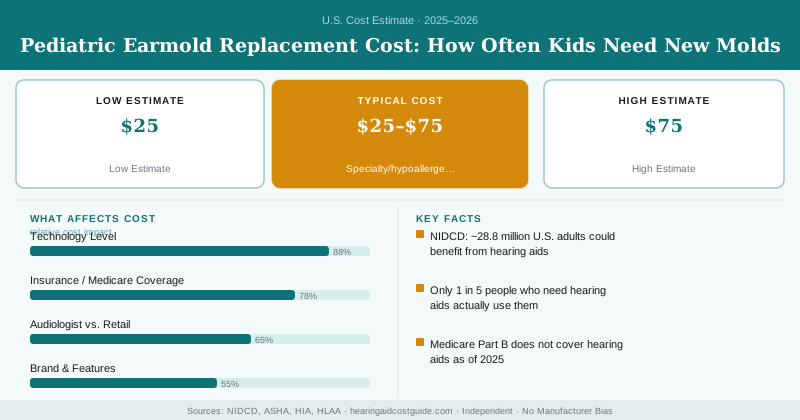
| Specialty/hypoallergenic material | +$25–$75 each |
Why Kids Outgrow Molds So Fast
Earmolds are custom-made to fit a child’s ear canal exactly. The problem is that the canal keeps growing. When a mold gets too small, the seal breaks, the hearing aid whistles (feedback), and sound leaks out — meaning the child isn’t getting the amplification they need.
Replacement frequency tracks growth:
- Infants (0–12 months): every 2–3 months
- Toddlers (1–3 years): every 3–6 months
- School-age (4–12 years): every 6–12 months
- Teens: roughly once a year or as needed
The NIDCD emphasizes that consistent, properly fitted amplification is essential for language development in young children — and a poorly sealed earmold undermines exactly that. The CDC’s EHDI program’s whole point is early, effective intervention, which depends on the devices fitting well day to day.
Earmolds run $50–$150 each, but the cost is about frequency, not unit price. An infant may need bilateral remakes every couple of months, totaling $400–$900 a year. Treat earmold replacement as a planned, recurring expense — not a surprise.
The Whistle Is Your Warning Sign
The easiest way to know it’s time for a new mold? Listen for feedback. When a hearing aid that used to sit quietly starts whistling, the earmold has usually been outgrown.
Don’t try to fix persistent feedback by just turning the volume down — that defeats the purpose of the device. Whistling on a growing child almost always means the earmold needs remaking. Lowering the volume hides the problem while your child loses access to sound.
Coverage for Earmolds
Many families don’t realize earmolds are often covered alongside the devices. Medicaid’s EPSDT mandate requires states to cover medically necessary hearing aids and related supplies — including earmolds — for children under 21. Some state insurance mandates include them too. Our child hearing aid insurance cost guide explains how to check, and the Medicaid hearing aid coverage guide covers the public option.
For the bigger device picture, see our pediatric hearing aid cost and children’s hearing aids cost guides.
How to Save on Earmold Replacements
- Confirm earmolds (not just the hearing aids) are covered by your plan or Medicaid.
- Bundle the impression appointment with a regular checkup to avoid an extra visit fee.
- Choose durable materials for active kids — fewer damage-related remakes.
- Replace promptly at the first whistle; waiting means weeks of degraded hearing.
A pediatric audiologist will track your child’s growth and flag when a remake is due, so you’re not guessing.
Bottom Line
Pediatric earmolds cost $50–$150 each, but with frequent remakes a young child can run $400–$900 a year. The key is treating it as a planned, recurring cost, confirming coverage for the molds themselves, and replacing them the moment the whistling starts.
Frequently Asked Questions
A single earmold replacement costs between $50 and $150, depending on your audiologist and location. Since growing children typically need replacements every 2-4 months in both ears, annual costs can reach $400-$1,200 per child.
Many insurance plans, including Medicaid in most states, cover earmold replacements as part of hearing aid benefits—typically at no cost or a small copay. However, coverage limits vary; some plans cover only 1-2 replacements per year, leaving additional replacements out-of-pocket.
Fast-growing infants and toddlers typically need new earmolds every 2-3 months, while older children may go 4-6 months between replacements. Your audiologist will recommend replacement when the mold no longer fits snugly or causes feedback, usually assessed during regular hearing aid checks.