Most small eardrum perforations heal on their own. That single fact saves a lot of people a lot of money — and it’s the first thing your ENT will tell you. The American Academy of Otolaryngology notes that the majority of traumatic perforations close without surgery within a few weeks to two months. So your “treatment cost” might be nothing more than an office visit and a follow-up.
But not every hole closes. When it doesn’t, you’re looking at a surgical repair, and that’s where the bills climb.
What Causes the Tear, and Why It Matters for Cost
Perforations come from infections, sudden pressure changes, loud blasts, or a cotton swab pushed too far. The cause shapes the price. A clean traumatic tear from a slap or a Q-tip usually heals fast and cheap. A perforation from chronic middle ear infection may need the infection cleared first, adding antibiotic and visit costs before anyone even talks about repair.
The CDC reports ear infections drive millions of doctor visits a year in the U.S., and untreated chronic infections are a leading reason perforations don’t close on their own.
Cost by Treatment Path
| Treatment | Cost (No Insurance) |
|---|---|
| ENT consultation + diagnosis | $200–$450 |
| Watch-and-wait (just follow-up visits) | $100–$250 per visit |
| Antibiotic ear drops (if infected) | $20–$120 |
| Paper-patch / fat-graft myringoplasty (office) | $500–$2,500 |
| Tympanoplasty (surgical repair, outpatient) | $2,500–$8,000 |
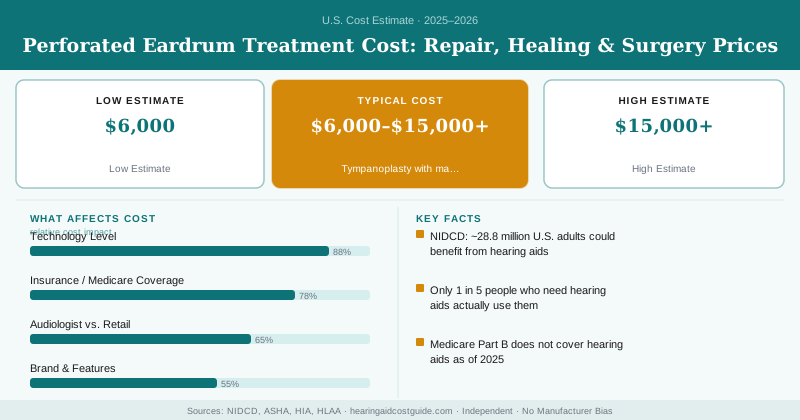
| Tympanoplasty with mastoid work | $6,000–$15,000+ |
The big swing is between an in-office patch and a full operating-room tympanoplasty. A paper patch — where the surgeon places a tiny patch over the hole to coax it shut — is a fraction of the cost of formal surgery and works well for small, dry perforations.
Most perforated eardrums heal free with time. Plan for a $200–$450 ENT visit to confirm the diagnosis. If it doesn’t close, budget $2,500–$8,000 for a tympanoplasty — and ask whether a low-cost in-office patch is an option first.
What Insurance Covers
Good news here. A perforated eardrum is a medical condition, not a hearing-aid purchase, so it’s handled by your regular health plan — not the spotty rules around whether insurance covers hearing aids. Diagnosis, drops, and surgical repair are all typically covered after your deductible and copays.
With insurance, expect a specialist copay of $40–$150 for the visit, and your coinsurance share on surgery — often 10% to 30% of the negotiated rate once your deductible is met. Get pre-authorization before any tympanoplasty; surgeons’ offices usually handle this, but confirm it.
Don’t Skip the Hearing Check
A perforation can drop your hearing while it’s open. Before and after treatment, your ENT will likely order a hearing test to measure how much the hole is affecting you and to confirm the repair restored what it should. That test runs $50–$300 on its own and is worth every dollar — it’s the only objective proof the eardrum is doing its job again.
Never put anything in your ear — including drops not prescribed for a perforation, water, or cotton swabs — while the eardrum is torn. Water reaching the middle ear through a hole can cause a serious infection that turns a cheap, self-healing tear into expensive surgery. Keep the ear dry until your ENT clears you.
How to Keep Costs Down
- Let it try to heal. Don’t rush to surgery. Small dry perforations often close in 6–8 weeks. Surgery on a hole that would’ve healed anyway is wasted money.
- Ask about the office patch. A paper-patch myringoplasty can save you thousands versus an operating-room procedure.
- Bundle the visit. If you’re already seeing an ENT, get the audiologist evaluation coordinated through the same practice to avoid a separate facility fee.
- Keep it dry on the cheap. A custom earplug isn’t required — a cotton ball coated in petroleum jelly during showers does the job for pennies.
The Bottom Line
For most people, a perforated eardrum is an inconvenience that costs a couple of office visits and nothing else. For the minority whose hole won’t close, surgical repair runs $2,500–$8,000 out of pocket, mostly covered by standard health insurance. The smartest move is patience plus a clear diagnosis up front — because the cheapest treatment is often the one where you do almost nothing and let your body finish the job.
Frequently Asked Questions
Surgical repair of a perforated eardrum (tympanoplasty) typically costs $2,500 to $8,000 without insurance, depending on the surgeon, facility, and whether it's performed in an outpatient surgery center or hospital. If your perforation heals on its own within 2–8 weeks, you'll only pay for an office visit ($100–$300) and follow-up care, avoiding surgery entirely.
Most insurance plans cover tympanoplasty surgery as medically necessary if the perforation doesn't heal on its own or causes hearing loss or recurrent infections, typically leaving you with a copay of $500–$2,000 after deductible. Watch-and-wait treatment (office visits only) is almost always covered; however, some plans may deny coverage if they classify it as elective rather than urgent.
Your ENT will recommend waiting 6–12 weeks if the perforation is small and traumatic, since 80% close without surgery during this window. Surgery becomes necessary if the hole hasn't closed after 3 months, causes significant hearing loss, leads to recurrent ear infections, or results from chronic disease—at which point scheduling tympanoplasty typically takes 2–4 weeks.