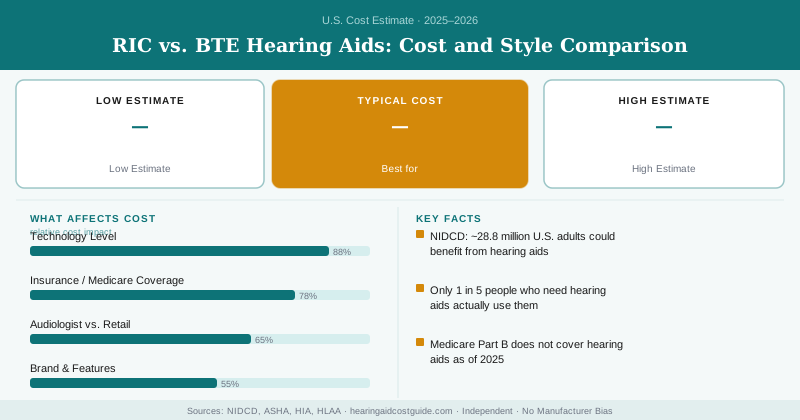
Receiver-in-canal or behind-the-ear? If you’ve started shopping, you’ve bumped into this fork. They look similar — both sit behind your ear — but one tucks the speaker down in your canal and the other keeps everything in the case. That single design choice changes the price, the power, and how visible the aid is.
Here’s how RIC and BTE compare.
RIC vs. BTE: Pricing
| Factor | RIC (Receiver-in-Canal) | BTE (Behind-the-Ear) |
|---|---|---|
| Price per pair | $1,500–$6,500 | $1,200–$6,000 |
| Visibility | Very discreet | More visible |
| Power range | Mild to severe | Mild to profound |
| Repair cost (receiver) | Low, user-replaceable wire | Higher, full-unit service |
| Best for | Most adults, cosmetic concerns | Severe loss, durability |
Pricing overlaps heavily because both span entry to premium tiers. The style you pick is driven more by your degree of loss and your priorities than by cost alone.
What Makes RIC Different
In a RIC, the speaker (receiver) sits inside your ear canal, connected to the behind-the-ear case by a thin, nearly invisible wire. That design produces a more natural sound, a smaller and sleeker case, and excellent discretion. It’s become the most popular style in the US for exactly these reasons. Our receiver-in-canal cost guide has the full pricing detail.
A nice bonus: because the receiver is a separate component, replacing a blown speaker is cheap and often doesn’t require shipping the whole device off for repair.
RIC ($1,500–$6,500) is the discreet, natural-sounding mainstream choice that fits most adults and has cheap receiver replacements. BTE ($1,200–$6,000) is more visible but more powerful and durable — the better pick for severe-to-profound loss or rough daily handling. Price overlaps; match the style to your hearing level.
What Makes BTE Different
A BTE houses all its electronics — including the speaker — in the case behind your ear, routing sound through a tube to a custom earmold. That gives it more power, making it the go-to for severe-to-profound loss. The full lineup and pricing live in our behind-the-ear hearing aid cost guide.
BTEs are also tougher. With the electronics sealed away from earwax and canal moisture, they tend to be more durable and are often the recommended choice for kids and for people in dusty or humid environments.
Sound and Comfort
RICs generally sound more natural because the receiver sits closer to your eardrum, and the open-fit option reduces that plugged-up feeling. BTEs with a custom earmold can deliver more powerful, sealed amplification — better for significant loss but sometimes less comfortable for mild loss. Browse the full menu in our hearing aid styles explained guide.
RIC receivers sit in your canal, so earwax buildup can clog them — expect to replace inexpensive wax guards regularly. BTEs avoid this since the electronics stay behind the ear. If you produce a lot of earwax, that maintenance difference is worth weighing before you choose RIC.
Why Both Cost So Much
Neither style is cheap at the premium end, and the reasons go beyond the plastic shell — R&D, professional fitting, and small-batch manufacturing all factor in, as we explain in why hearing aids are so expensive. The NIDCD reports about 28.8 million US adults could benefit from hearing aids, but only roughly 1 in 5 who’d benefit use them, with cost the leading barrier.
Who Should Choose Which
Choose RIC if you want discretion, natural sound, and cheap receiver repairs, and your loss is mild-to-severe — that’s most adults. Choose BTE if you have severe-to-profound loss, want maximum durability, or need a tougher device for a child or a demanding environment.
Bottom Line
RIC is the modern default for good reason — discreet, natural, and easy to service. BTE remains the powerhouse for serious hearing loss and rugged durability. Pricing overlaps enough that your loss level and lifestyle, not the sticker, should decide. Compare both against the full hearing aid cost range before you buy.
Frequently Asked Questions
RIC (Receiver-in-Canal) hearing aids typically cost between $1,500 and $6,500 per pair, depending on the manufacturer, technology level, and features included. BTE (Behind-the-Ear) models are slightly less expensive, ranging from $1,200 to $6,000 per pair, making them a more budget-friendly option for some patients.
Original Medicare does not cover hearing aids, though some Medicare Advantage plans offer limited coverage of $0–$2,000 per pair annually. Most private insurance plans also exclude hearing aids entirely, leaving patients to pay out-of-pocket; however, some employers offer hearing aid benefits as part of supplemental coverage, so checking your plan details is essential.
The fitting process typically takes 1–2 hours for your initial appointment, which includes a hearing test, ear mold impressions (for some models), and device selection. Most patients receive their hearing aids within 2–4 weeks after the fitting, though some retailers offer same-day or next-day options for select in-stock models.