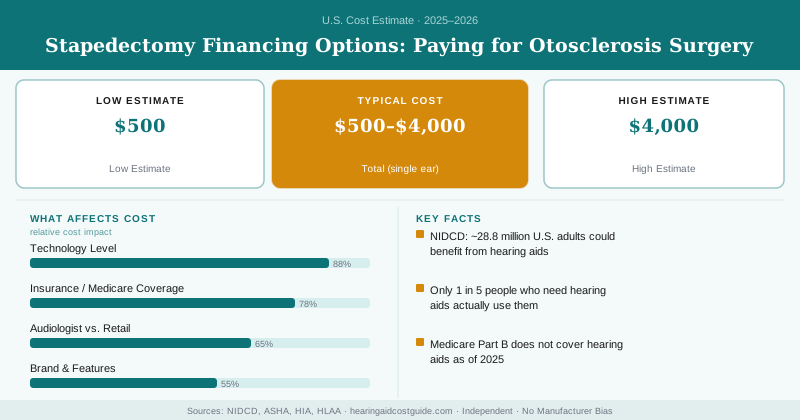
In 2010, a stapedectomy without insurance ran roughly $6,000 to $10,000 at most academic medical centers. Today, that same uninsured procedure runs $8,000 to $15,000 — but here’s the more useful comparison: today’s typical insured out-of-pocket cost, after your deductible and coinsurance, often lands close to what the entire uninsured procedure cost fifteen years ago. Insurance coverage, not raw surgical pricing, is what actually determines your bill now.
Stapedectomy Cost Breakdown
| Cost Component | Uninsured | With Insurance (typical) |
|---|---|---|
| Surgeon fee | $3,000–$6,000 | Covered at negotiated rate |
| Anesthesia | $1,500–$3,000 | Covered in-network |
| Facility/outpatient surgery center fee | $3,000–$6,000 | Applies to deductible |
| Pre-op audiological testing | $150–$400 | Copay only |
| Post-op follow-up visits (2–3) | $300–$900 | Often included in surgical global fee |
| Total (single ear) | $8,000–$15,000 | $500–$4,000 out-of-pocket |
What Stapedectomy Treats, and Why It’s Covered
Otosclerosis is an abnormal bone growth in the middle ear that fixes the stapes bone in place, preventing normal sound transmission and causing progressive conductive hearing loss. A stapedectomy replaces the fixed stapes bone with a prosthetic device, restoring sound conduction. Because this addresses a specific, diagnosable medical condition rather than general age-related hearing decline, it’s classified and billed as ENT surgery — which means standard medical insurance benefits apply, not the limited (or nonexistent) hearing aid benefits most plans carry.
Financing the Out-of-Pocket Portion
Even with good insurance, the out-of-pocket responsibility for a same-year surgery can be substantial if you haven’t met your deductible. Common financing paths:
- Hospital financial counselor programs: Most hospital systems will set up interest-free payment plans directly with the patient once insurance has processed the claim, often over 12 to 24 months
- CareCredit or similar medical credit cards: Offer promotional 0% interest periods (commonly 6, 12, or 18 months) specifically for medical procedures, though interest can retroactively apply to the full balance if not paid off within the promotional window
- Healthcare-specific personal loans: Fixed-rate installment loans from lenders specializing in medical financing, useful if you want predictable payments without the deferred-interest risk of a promotional credit card
- Surgical practice in-house plans: Some ENT practices offer their own payment plans for the surgeon fee portion specifically, separate from hospital facility fee financing
Deferred-interest medical credit cards can be a good option, but only if you’re confident you can pay the full balance within the promotional window. If you don’t, many of these plans charge interest retroactively on the entire original balance, not just the remaining amount — turning a 0% promotional rate into a substantial bill. Ask specifically whether the plan is “deferred interest” or “no interest if paid in full” before signing up.
Bilateral Cases: A Cost-Saving Detail
Otosclerosis frequently affects both ears, but surgeons almost always operate on one ear at a time, months apart, to preserve hearing in case of complications. This means bilateral cases involve two separate surgical episodes, two separate deductible/coinsurance calculations if they cross a plan year, and two rounds of financing decisions. If your first surgery happens late in the calendar year and the second is scheduled for early the following year, you may hit two separate deductibles — worth discussing timing with your surgeon if cost is a major factor and your calendar allows some flexibility.
If your surgeon recommends bilateral stapedectomy, ask directly about timing relative to your insurance plan year. Scheduling both surgeries within the same plan year, after your deductible is already met, can meaningfully reduce your total out-of-pocket cost compared to spreading them across two separate deductible periods.
Where to Start
Before assuming you need financing at all, get a written estimate from your insurer’s pre-authorization process showing your specific deductible status and expected coinsurance. Many patients assume the worst-case scenario and finance more than necessary — confirming the actual number first prevents overborrowing.
Frequently Asked Questions
A stapedectomy for otosclerosis typically costs $8,000 to $15,000 total when uninsured, including surgeon fees, facility charges, and anesthesia. With insurance, out-of-pocket costs usually range from $500 to $4,000 depending on your deductible and coinsurance.
Yes, most insurance plans and Medicare cover stapedectomy as medically necessary surgery for otosclerosis-related conductive hearing loss, since it's classified as an ENT surgical procedure rather than a hearing aid purchase.
Common financing options include hospital-based interest-free payment plans, medical credit cards like CareCredit, and healthcare-specific personal loans. Many ENT surgical practices also offer in-house payment plans that split the patient responsibility portion over 6 to 24 months.