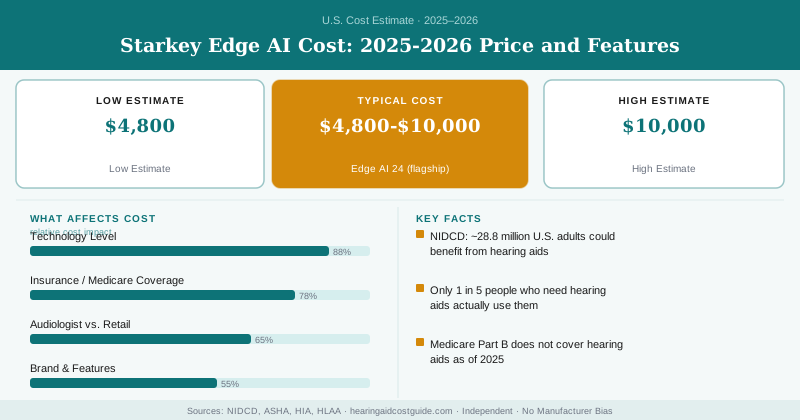
What does a hearing aid with a “neural” processor cost in 2026? For Starkey’s Edge AI, the answer is $2,400 to $5,000 per device — and the company is betting you’ll pay it for sound processing modeled on how your brain handles noise.
The Neuro Processor Pitch
Starkey released Edge AI on its Genesis AI architecture, and the headline is the Neuro Processor running what Starkey calls Neuro Sound Technology. The chip makes a huge number of personalized adjustments per hour to separate speech from background noise. Starkey also leans hard into health and wellness features — the Edge AI can detect falls and count steps, building on the sensor work it started with the Livio line.
That health angle matters. The NIDCD links untreated hearing loss to higher fall risk and faster cognitive decline in older adults, so a device that tracks activity isn’t just a gimmick for the 55-plus crowd.
Edge AI Pricing
| Tier | Per Device | Per Pair (Est.) |
|---|---|---|
| Edge AI 16 (entry) | $1,500-$2,200 | $3,000-$4,400 |
| Edge AI 20 | $1,900-$2,800 | $3,800-$5,600 |
| Edge AI 24 (flagship) | $2,400-$5,000 | $4,800-$10,000 |
Starkey uses a tier numbering where higher means more features and processing. Most U.S. prices include fitting and follow-up care.
Styles and Charging
Edge AI comes in the works: receiver-in-canal, behind-the-ear, and custom in-the-ear models — including the tiny custom rechargeable that Starkey is known for. Not sure which style fits you? Our styles explained guide breaks down the options. Rechargeable versions add roughly $200-$400.
Edge AI is a strong pick if you want hearing help plus health tracking in one device — fall alerts and activity data are genuinely useful for older adults living alone. If you only care about hearing, you can match Edge AI’s sound quality with a cheaper competitor and skip the wellness premium.
Connectivity
Edge AI streams to iPhone and many Android devices, supports hands-free calls, and works with Starkey’s accessory mics and remote-care app for adjustments without a clinic trip. For the connectivity landscape, see our Bluetooth hearing aid guide.
The fall-detection and health features need correct setup and an emergency contact configured to be useful. Don’t assume they work out of the box — confirm during your fitting that alerts actually reach the right person.
Cutting the Price
- Insurance / Medicare Advantage allowances apply at many providers.
- HSA/FSA dollars cover it.
- Financing: clinic plans often run interest-free; our financing guide has details.
- Lower tier: the Edge AI 20 keeps the Neuro Processor benefit at a friendlier price.
Bottom Line
Starkey Edge AI blends solid AI-driven sound with the deepest health-tracking suite in the category. Budget $4,800-$10,000 a pair at the flagship tier, less for the 16 or 20. If wellness features sell you, it’s worth it; if not, compare it against the field in our best hearing aids of 2025.
Frequently Asked Questions
The Starkey Edge AI costs between $2,400 and $5,000 per device, depending on the specific model and features you select. Most users purchase a pair (two devices), which brings the total cost to $4,800-$10,000 before insurance or manufacturer discounts.
Coverage varies significantly by plan; Medicare does not cover hearing aids, though some Medicare Advantage plans offer limited benefits of $0-$3,000 per pair. Private insurance rarely covers hearing aids, so expect to pay out-of-pocket for most of the $2,400-$5,000 per-device cost, though you may qualify for manufacturer financing or discount programs.
After your hearing test and order, expect 1-2 weeks for device delivery, followed by an in-person fitting appointment (30-60 minutes) where an audiologist adjusts the Neuro Processor settings to your hearing profile. You can typically begin wearing the devices the same day as your fitting, with follow-up adjustments scheduled over the next few weeks.