Most patients assume hearing aids just make sounds louder. Starkey’s Evolv AI does that — and also tracks your steps, monitors falls, and can detect if you’ve had an accident and alert a contact. That’s an unusual pitch. It’s also part of why the price runs the range it does.
What the Evolv AI Platform Offers
Starkey introduced the Evolv AI in 2022, building on the earlier Livio AI platform. It runs on Starkey’s in-house processor, which the company says executes 55 million computations per second to analyze the listening environment and adjust in real time.
The headline features:
- Edge Mode: Tap the hearing aid to instantly optimize settings for whatever environment you’re in — crowded restaurant, sports event, etc.
- Thrive AI Health: Built-in accelerometers and a fall-detection algorithm that can send an alert to a designated contact.
- Transcribe: Real-time transcription of speech in the Thrive Hearing app (useful for phone calls and in-person conversations).
- Direct Bluetooth streaming to iPhone and Android.
These wellness features set Starkey apart from most European competitors, which focus primarily on hearing performance.
Starkey Evolv AI Pricing
Starkey uses a four-level tier system: 2400 (premium), 2000 (advanced), 1600 (standard), and 1200 (essential).
| Model | Per Device | Per Pair (Est.) |
|---|---|---|
| Evolv AI 2400 (premium) | $2,500–$5,000 | $5,000–$10,000 |
| Evolv AI 2000 (advanced) | $2,000–$3,500 | $4,000–$7,000 |
| Evolv AI 1600 (standard) | $1,500–$2,500 | $3,000–$5,000 |
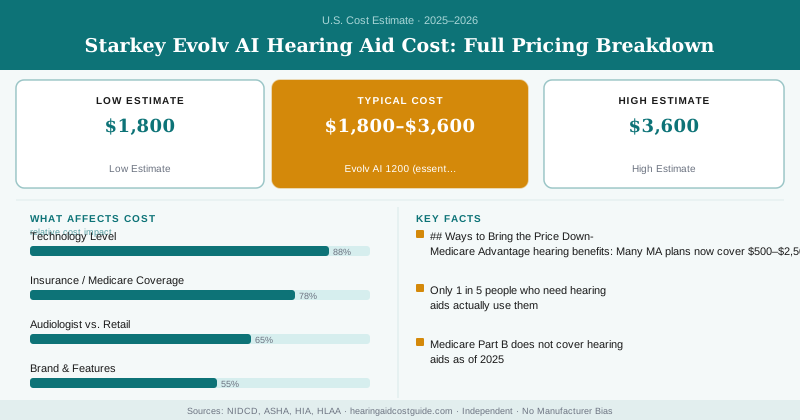
| Evolv AI 1200 (essential) | $900–$1,800 | $1,800–$3,600 |
These ranges are typical for bundled pricing from independent audiology clinics, including fitting, follow-ups, and manufacturer warranty. Prices vary by region — urban audiologists in high-cost-of-living markets tend toward the top of these ranges.
Style Options
Evolv AI is available in several form factors:
- miniRIC R (rechargeable receiver-in-canal): Most popular, very discreet.
- miniRIC 312 (battery): For those who prefer disposable batteries.
- BTE 13 RT (rechargeable BTE): More power for moderate-to-severe loss.
- CIC (completely-in-canal): Smallest and least visible, battery only.
- ITC (in-the-canal): Custom fit, available in rechargeable.
The custom in-canal styles typically add $200–$400 to the base price due to the custom shell manufacturing.
The Health Tech Premium — Is It Worth It?
If you’re buying hearing aids primarily for hearing, the fall detection and step counting may feel like unnecessary extras. But if you or a family member lives alone, the fall-alert feature has genuine safety value. Starkey’s Thrive Care app lets a designated caregiver see when the aids are being worn, how active the wearer has been, and receive alerts. For that specific use case, the Evolv AI 2400 justifies its premium.
For pure hearing performance, Starkey Evolv AI 2400 is competitive with Phonak Lumity 90 and Oticon Intent 1. A 2023 independent review published in the International Journal of Audiology found that AI-based hearing aids (across multiple brands) improved speech recognition in noise significantly compared to previous-generation devices — confirming that the processing claims aren’t just marketing.
Starkey Evolv AI vs. Genesis AI
In 2023, Starkey launched the Genesis AI as its next flagship platform. Genesis features a new in-house chip that Starkey says is more efficient than the Evolv platform. If your audiologist offers both, Genesis is the current-generation choice; Evolv has become the value-tier alternative and is frequently available at discounts.
Ways to Bring the Price Down
- Medicare Advantage hearing benefits: Many MA plans now cover $500–$2,500 per pair. Starkey works with most insurance networks.
- Starkey’s own patient financing: Available through the Thrive Hearing Center network, often with 18-month no-interest options.
- HSA/FSA funds: Hearing aids are qualified expenses under IRS guidelines.
- VA eligibility: Starkey is on the VA’s approved device list. Veterans with service-connected hearing loss may receive Evolv AI devices at no cost.
Starkey Evolv AI devices sold outside of authorized Starkey Hearing Centers or independent audiologists may not include the Thrive Health features, as those require activation by a licensed dispenser tied to a Starkey provider account. Verify the seller’s authorization status before purchasing.
Bottom Line
Starkey Evolv AI 2400 pairs run $5,000–$10,000 with professional services — in line with other premium-tier devices. The health-tracking features are genuinely unique and add real value for the right wearer. If you don’t need those features, the Evolv AI 1600 or 2000 delivers strong hearing performance at a meaningfully lower price. And don’t overlook the Genesis AI — if your audiologist has it, it may be worth comparing side by side.
Frequently Asked Questions
A single Starkey Evolv AI hearing aid costs between $1,800 and $5,000 per device, depending on the technology level you choose. Most patients need two hearing aids (one for each ear), which means your total out-of-pocket cost typically ranges from $3,600 to $10,000 before insurance or manufacturer discounts.
Medicare does not cover hearing aids, leaving most seniors responsible for the full cost. Some private insurance plans and employer-sponsored benefits offer partial hearing aid coverage (typically $500–$2,000 per ear per year), but you should verify your specific plan's limits and any out-of-pocket maximums.
The typical hearing aid fitting process takes 2–4 weeks from your initial audiologist appointment to wearing your devices, which includes a hearing test, device ordering, and adjustment appointments. Most patients experience a 2–4 week adjustment period after fitting as they adapt to the new sound and the health-tracking features.