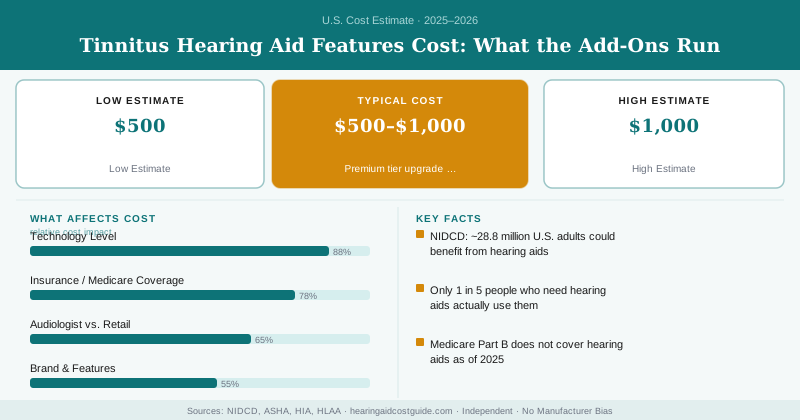
What does the “tinnitus program” on a hearing aid actually cost you? It’s a fair question, because the answer ranges from nothing to about a thousand dollars depending on the tier you buy. The NIDCD notes that hearing loss and tinnitus frequently travel together, so if you’re already buying hearing aids, these built-in features can do double duty. Let’s break down what each one adds to the bill.
Tinnitus Feature Costs
| Feature | Typical Added Cost | Found In |
|---|---|---|
| Basic broadband masking (white noise) | $0 (often included) | Entry-level and up |
| Nature / ocean soundscapes | $0–$150 | Mid-tier and up |
| Fractal tones (musical, soothing patterns) | $100–$400 | Premium tiers |
| Smartphone app control of tinnitus sounds | $0–$200 | Most modern aids |
| Customizable, audiologist-tuned tinnitus programs | $150–$500 | Mid to premium |
| Premium tier upgrade (bundles all the above) | $500–$1,000 | Top tier |
The key thing to understand: many tinnitus features are baked into the price of the hearing aid, not sold separately. The “cost” is really the jump from a basic tier to a higher one that happens to include richer tinnitus tools.
What Each Feature Actually Does
Broadband masking is the workhorse — a steady shhh sound that covers the ringing. It’s often standard even on budget aids, which means tinnitus relief can cost you nothing extra.
Fractal tones are gentle, semi-random musical chimes designed to be less monotonous than white noise. Some people find them far easier to live with. They tend to show up only in premium tiers, which is where the price climbs.
App control lets you adjust the tinnitus sound yourself — volume, type, timer — without a clinic visit. Handy, and increasingly standard.
Basic tinnitus masking is often free with the hearing aid. Fancier features like fractal tones live in premium tiers, pushing the upgrade $500–$1,000 higher. If you mainly need masking, you usually don’t need the top tier — buy the lowest tier that includes a usable tinnitus program.
Don’t Overbuy the Tier
Hearing aid sales pitches love to bundle tinnitus features with the most expensive level. But if simple masking gets you relief, you may not need fractal tones or premium soundscapes at all. Ask the audiologist to demo the tinnitus program on a mid-tier model before assuming you need the flagship. The overall hearing aid cost swings by thousands between tiers, so this choice matters.
A tinnitus feature only helps if you also have hearing loss the aid is correcting. If you have normal hearing and just tinnitus, paying $3,000+ for hearing aids isn’t the right move — standalone sound therapy or a dedicated masker is cheaper and more appropriate.
How This Fits the Bigger Picture
Hearing aids with tinnitus features sit in the middle-to-upper part of the tinnitus treatment cost range, but they’re often the most cost-effective choice when hearing loss is present, because you’re treating two problems with one device. Compare them against dedicated hearing aids for tinnitus setups to see where you land.
Before committing, get a proper hearing test and an audiologist visit so the tinnitus program is tuned to your actual hearing profile rather than a generic preset.
Smart Ways to Save
- Start with the included masking. Use it for a few weeks before upgrading tiers.
- Skip features you won’t use. If you never touch the app, don’t pay for advanced app control.
- Check coverage. Some plans defray hearing aid costs, so ask your insurer before paying full retail.
The Bottom Line
Tinnitus features can add anywhere from $0 to $1,000 to a hearing aid. The cheapest masking is frequently free, and for many people it’s enough. Pay for the premium tones only if a demo proves they help you more — not just because the brochure makes them sound essential.
Frequently Asked Questions
Tinnitus masking and fractal tone features typically add $0 to $1,000 to your hearing aid cost, depending on the technology tier and manufacturer. Some entry-level models include basic tinnitus programs at no extra charge, while premium devices with advanced app-controlled masking can cost closer to $1,000 more per pair.
Most Medicare and private insurance plans cover the base hearing aid cost but typically do not cover tinnitus-specific add-ons as a separate benefit. You will usually pay out-of-pocket for premium tinnitus features like app control or advanced masking programs, though the hearing aid itself may be partially covered depending on your plan.
Tinnitus features must typically be programmed into your hearing aids at the time of purchase or during a fitting adjustment with your audiologist. If your current hearing aids lack tinnitus programs, you would generally need to upgrade to a new model that includes these features rather than retrofit an older device.