Fifteen percent of American adults — that’s roughly 50 million people — live with tinnitus, according to the NIDCD. If you’re one of them, you know the ringing, buzzing, or hissing isn’t just annoying. It can disrupt sleep, concentration, and quality of life in ways that are hard to explain to people who’ve never experienced it. Tinnitus masking devices are one of the most practical tools audiologists recommend. But the price range is enormous, and understanding what drives the difference can save you real money.
Tinnitus Masking Device Costs at a Glance
| Device Type | Typical Cost | Best For |
|---|---|---|
| Standalone sound generator (wearable) | $200–$600 | Pure tinnitus relief, no hearing loss |
| White noise / tabletop masker | $25–$150 | Nighttime use, sleep disruption |
| Combination hearing aid + masker | $2,000–$7,000 per pair | Tinnitus with co-existing hearing loss |
| Smartphone tinnitus apps | Free–$10/month | Mild tinnitus, supplement to other therapy |
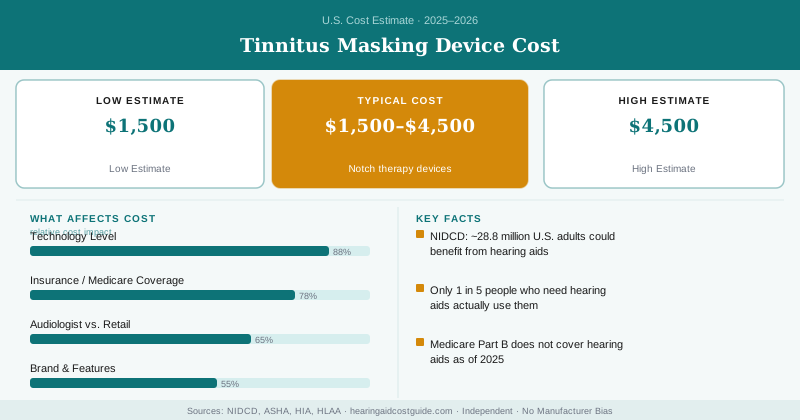
| Notch therapy devices | $1,500–$4,500 per pair | Tonal tinnitus (single-pitch ringing) |
What the Numbers Mean in Practice
A standalone wearable masker — a small device worn behind or in the ear that generates a soft broadband noise — is the entry point. You’ll pay $200–$600 for a quality unit from brands like Starkey, ReSound, or smaller specialty manufacturers. These are not hearing aids. They don’t amplify speech. They simply produce a neutral sound that competes with the tinnitus signal and makes the ringing less perceptible.
Tabletop units and bedside sound machines run $25–$150. These are simpler, effective for nighttime masking, and often the first thing audiologists suggest trying before spending more.
The combination device category is where most people with tinnitus and hearing loss end up. These are full hearing aids with a built-in sound generator — you get amplification during the day and a masking tone whenever you need it. Prices mirror premium hearing aids: $2,000–$7,000 per pair, depending on whether you go through an audiologist, Costco, or an online retailer. ASHA data confirms that the majority of adults seeking tinnitus treatment also have measurable hearing loss, which means this category is the most clinically relevant for most patients.
Does Insurance Cover Tinnitus Maskers?
Mostly no — at least not directly. Medicare and most private insurance treat tinnitus masking devices the same way they treat hearing aids: as non-covered DME (durable medical equipment). There are exceptions:
- If the device is prescribed as part of a documented tinnitus treatment protocol by an audiologist, some plans will partially reimburse
- VA benefits cover tinnitus devices for veterans with service-connected tinnitus — a significant number, since tinnitus is the single most common service-connected disability in the VA system
- HSA and FSA dollars can be used for wearable maskers in most cases — check your plan’s eligibility list
A tinnitus evaluation with an audiologist typically costs $200–$400 and includes pitch matching, loudness matching, and minimum masking level testing. That data tells your audiologist exactly what kind of masker is most likely to work for your specific tinnitus. Buying a device before that evaluation is guesswork. Most audiologists can also help you trial combination devices before committing to a purchase.
Tinnitus Retraining Therapy: A Different Cost Conversation
Masking devices are sometimes used alongside tinnitus retraining therapy (TRT), a structured counseling and sound therapy protocol. TRT adds $1,000–$5,000 in professional fees over 12–24 months. It’s not necessary for everyone, but for severe, life-disrupting tinnitus, the combination approach tends to produce better long-term outcomes than masking alone.
App-Based Options: Free Isn’t Always Second-Best
Several well-regarded apps — Resound Relief, Widex Zen, Beltone Tinnitus Calmer — offer free basic programs and premium tiers at $5–$10/month. For mild tinnitus that primarily bothers you at night or in quiet environments, these work surprisingly well. The American Academy of Audiology has noted increasing evidence supporting app-based sound therapy as a supplement to in-person treatment.
Tinnitus that starts suddenly, affects only one ear, or comes with dizziness or hearing changes needs medical evaluation before you try masking. Sudden changes in tinnitus can signal conditions — including acoustic neuroma — that require imaging or ENT referral. A masking device won’t address the underlying cause.
Comparing Your Real Options by Budget
| Budget | Best Starting Point | What You Get |
|---|---|---|
| Under $50 | Tabletop sound machine | Nighttime relief, no fitting required |
| $50–$200 | Quality bedside device or app subscription | Broader sound library, timer controls |
| $200–$600 | Wearable standalone masker | Discreet all-day use |
| $2,000–$7,000 | Combination hearing aid + masker | Full hearing benefit plus integrated therapy |
The bottom line: tinnitus masking isn’t one-size-fits-all, and neither is the price. Start with an audiologist evaluation to find out what type of masker matches your tinnitus profile. Then you’ll know whether a $35 bedside unit will do the job — or whether the combination device is actually worth the investment for you.
Frequently Asked Questions
Tinnitus masking devices range from $200 to $7,000 depending on the type. Standalone white noise machines cost $200–$500, combination hearing aid and masker devices run $1,500–$6,000, and smartphone apps are typically free to $50 one-time or subscription fees.
Most health insurance plans do not cover standalone tinnitus maskers, though some may cover combination hearing aid/masker devices if medically necessary and prescribed by an audiologist. Medicare typically does not cover masking devices, leaving most patients to pay out-of-pocket, though some supplemental plans may offer partial reimbursement.
Many patients notice relief within days to weeks of using a masking device regularly, though some take 2–3 months to adjust and experience full benefit. Results vary based on tinnitus severity, type of masker, and consistent daily use, typically 6–8 hours per day.