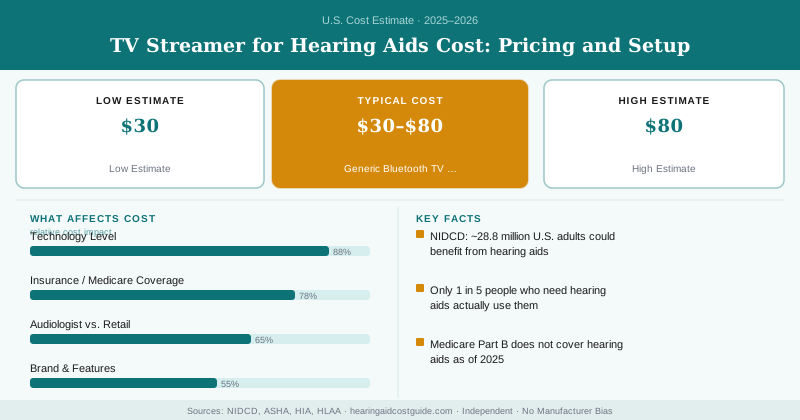
What if the TV could pipe its sound directly into your hearing aids, with no one else having to suffer the volume cranked to 40? That’s exactly what a TV streamer does, and it costs $150 to $350.
A TV streamer plugs into your television and broadcasts the audio wirelessly straight to your aids. Your spouse keeps the volume comfortable; you get clear dialogue beamed right into your ears. For a lot of households, it ends a daily argument and genuinely improves how much TV the hearing-aid wearer actually enjoys.
What TV Streamers Cost
| Streamer Type | Cost |
|---|---|
| Branded TV streamer (Phonak TV Connector, Oticon TV Adapter) | $150–$300 |
| Signia/ReSound/Starkey TV streamer | $200–$350 |
| Streamer bundled at purchase | Often discounted |
| Neck-loop streamer (works with telecoil) | $180–$300 |
| Generic Bluetooth TV transmitter (limited compatibility) | $30–$80 |
The branded units are tuned to your specific aids and deliver the cleanest, lowest-lag audio. Generic Bluetooth transmitters are cheaper but compatibility is spotty, and lip-sync delay can be maddening.
How It Works
The streamer is a small box. You connect it to your TV’s audio output — usually optical, sometimes a 3.5mm jack — and pair it once with your hearing aids. From then on, when you’re in range, TV sound streams to your ears automatically. Most let others in the room keep listening through the TV speakers at a normal level at the same time.
The audio quality is the selling point. Instead of muddy room sound bouncing off walls, you get a direct, clear feed — which makes dialogue dramatically easier to follow.
Do You Need One?
You’ll benefit a lot if:
- You constantly turn the TV up and family members complain
- You miss dialogue, especially in shows with background music or accents
- You watch a fair amount of TV daily
You can probably skip it if you rarely watch TV, or if your aids already stream well from a phone or a media device you route through them. Note this is distinct from a TV hearing aid streamer bundle some retailers sell — same idea, slightly different packaging.
A TV streamer costs $150–$350 and sends television audio directly to your hearing aids while others keep listening normally. It’s one of the highest-satisfaction accessories for daily TV watchers — clear dialogue, no volume wars. Buy the branded unit matched to your aids; generic Bluetooth transmitters often have annoying lip-sync delay.
Why TV Is So Hard to Hear
It’s not just you. TV dialogue mixing has gotten worse, with speech often buried under music and effects. Add a typical living room’s reflections and distance from the speakers, and even good hearing aids struggle. The ASHA points to noisy, complex listening environments as a major challenge for hearing aid users — and your TV room is exactly that. A direct audio feed cuts through all of it.
The NIDCD estimates about 28.8 million U.S. adults could benefit from hearing aids, and TV is one of the most common settings where people first notice they’re missing words.
Before you buy, confirm your TV’s audio output type. Some streamers need an optical (TOSLINK) port; others use a 3.5mm or RCA jack. A newer TV may lack an analog output, and an older one may lack optical. Match the streamer to your set — or you’ll need an extra adapter.
Brand Compatibility
Like most connectivity gear, TV streamers are brand-specific. A Phonak TV Connector pairs with Phonak aids, not Oticon. Buy within your manufacturer’s ecosystem, and have your audiologist confirm the right model.
If your aids stream over Bluetooth or the newer LE Audio/Auracast standard, ask whether a Bluetooth hearing aid setup gives you TV streaming without a dedicated box at all.
Where to Buy
- Your audiologist — guaranteed-compatible, can set it up for you
- Manufacturer website — authorized, full price
- Bundled at purchase — often the cheapest route if you’re buying new aids
The Bottom Line
For daily TV watchers, a streamer is one of the best accessory investments you can make. Spend $150–$350 on the branded unit for your model, confirm your TV’s output type first, and enjoy clear dialogue without a volume battle. It’s a small add-on to your overall hearing aids cost that pays off every single night.
Frequently Asked Questions
A TV streamer typically costs between $150 and $350, depending on the brand and hearing aid model compatibility. Most major manufacturers like Phonak, Oticon, and Widex offer their own streamer models within this price range, with premium options at the higher end.
Most health insurance plans do not cover TV streamers as they are considered optional accessories rather than essential hearing aid components. You will typically pay the full $150–$350 out-of-pocket, though some Medicare Advantage plans may offer partial coverage if the streamer is bundled with a new hearing aid purchase.
TV streamer setup usually takes 10–30 minutes and can often be done at your hearing aid provider's office or at home following the manufacturer's instructions. Once paired with your hearing aids via Bluetooth, the streamer is ready to use immediately without any additional appointments or waiting periods.