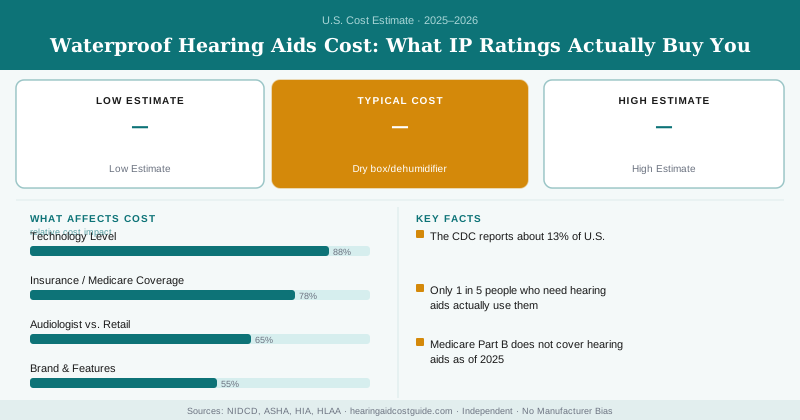
Here’s the truth nobody selling them wants to say first: there’s no such thing as a fully swim-proof hearing aid. Most “waterproof” models are really water-resistant, rated to survive sweat, rain, and an accidental dunk — not laps in the pool. Knowing the difference saves you from a ruined $5,000 device. Expect to pay $1,500–$6,000 per pair for the most water-tough options.
Let’s decode the ratings and figure out what your money actually buys.
Water-Resistant Hearing Aid Costs
| Option | Cost | Rating |
|---|---|---|
| OTC water-resistant | $799–$1,500/pair | Usually IP67–IP68 |
| Costco rechargeable | $1,499–$2,199/pair | IP68, sealed case |
| Mid prescription | $2,500–$4,000/pair | IP68 standard |
| Premium prescription | $4,500–$6,000/pair | IP68, best coatings |
| Dry box/dehumidifier | $30–$150 | Essential for upkeep |
Cracking the IP Code
That “IP68” on the box isn’t marketing fluff — it’s a standardized rating. The first digit is dust protection (0–6); the second is water protection (0–9). So IP68 means fully dust-tight and protected against continuous immersion under conditions the maker specifies. IP67 means dust-tight and able to handle temporary immersion to about 1 meter.
The key phrase is “under conditions the maker specifies.” That usually means brief, shallow, freshwater immersion — not chlorinated pools, not saltwater, not the pressure of swimming. The CDC reports about 13% of U.S. adults have hearing loss in both ears, and many are active people who assumed “IP68” meant they could swim in them. It doesn’t.
“Waterproof” hearing aids are really water-resistant — almost all top out at IP68, which means sweat, rain, and a brief accidental dunk are fine, but swimming and showering are not. You’re paying $1,499–$6,000 for protection against everyday moisture, not for an underwater device. Take them out before you swim.
What an IP68 Rating Is Genuinely Good For
Plenty, actually. An IP68-rated aid shrugs off:
- Heavy sweat during workouts (see our active lifestyle considerations).
- Getting caught in rain.
- High humidity that wrecks lesser devices.
- An accidental splash or short drop into shallow water — if you dry it promptly.
That covers the vast majority of real-life “I got my hearing aids wet” moments. For most people, that’s all the water resistance they’ll ever need.
Sealed Rechargeable = Better Water Resistance
Battery doors are the classic weak point — every flap is a place for moisture to sneak in. A rechargeable hearing aid has a fully sealed case with no door to breach, which is one reason rechargeable models tend to carry the strongest water ratings. If moisture resistance is a priority, sealed rechargeable is the smart default.
True Swimming Solutions
Want to hear underwater or wear something in the pool? Standard hearing aids aren’t it. Options are limited and specialized: some users remove aids and use swim molds for ear protection, while truly waterproof communication devices exist mainly in niche markets. For everyday hearing plus the occasional poolside day, an IP68 aid you remove before swimming is the realistic, cost-effective answer.
The NIDCD estimates roughly 28.8 million U.S. adults could benefit from hearing aids. For the active subset, durability — not underwater capability — is what keeps a device alive for years.
Never trust “waterproof” enough to swim or shower in your hearing aids. Even IP68 devices can fail in chlorinated, salt, or pressurized water, and water damage is usually excluded from warranties. If your aids do get soaked, power them off, wipe them dry, and place them in a dehumidifier box overnight. Do not use a hair dryer, oven, or microwave — heat warps the electronics permanently.
Care Habits That Protect Your Investment
A $30–$60 electric dry box is the single best accessory for any water-resistant aid. Use it nightly if you sweat heavily or live somewhere humid. Wipe ports daily, replace wax filters regularly, and store aids open-cased to let moisture escape.
Buying Smart
For mild-to-moderate loss, an IP68-rated OTC hearing aid at $799–$1,500 gives real water resistance at a lower price. For more complex loss or professional fitting, prescription devices at IP68 do the same job with custom programming. Browse the form factors in our hearing aid styles explained guide, then compare full pricing in our hearing aid cost overview. Just remember: you’re buying water-resistant, not invincible.
Frequently Asked Questions
Waterproof hearing aids typically cost between $1,500 and $6,000 per pair, depending on the brand, technology level, and IP rating. Most mainstream models with IP68 water-resistance fall in the $2,000–$4,500 range, while premium options from leading manufacturers can exceed $5,500 per pair.
Medicare typically covers up to $200 per ear for hearing aids starting in 2024, but waterproof models often exceed this amount, leaving you to pay $1,300–$5,800 out-of-pocket per pair. Private insurance coverage varies widely; some plans offer partial reimbursement (usually $500–$2,000), while others exclude hearing aids entirely—check your specific policy before purchasing.
No hearing aid is truly swim-proof; most waterproof models carry an IP68 rating, which means they can survive accidental dunks and brief water exposure but are not designed for active swimming or pool use. If you need water protection for daily activities like showering or exercising in humid conditions, IP68 is sufficient, but intentional submersion requires specialized equipment like waterproof cases or switching to non-electric alternatives.