$6,000 for a device the size of a jellybean. That’s the sticker shock most people hit when they walk into an audiology clinic for the first time. If you’re wondering whether the price is justified — or whether you’re being ripped off — the answer is: a bit of both.
Hearing aids are genuinely expensive to develop, but the retail price also includes significant markup from the distribution channel. Here’s the breakdown.
The 5 Real Reasons Hearing Aids Cost So Much
1. Massive R&D investment compressed into a small market
Hearing aids pack more technology per cubic millimeter than almost any consumer electronics device. Noise cancellation algorithms, directional microphone arrays, Bluetooth radios, rechargeable lithium cells, and AI-driven speech processing — all in a device smaller than your thumbnail.
The global hearing aid market serves roughly 35 million users in the U.S., according to the National Institute on Deafness and Other Communication Disorders (NIDCD). That’s a fraction of the smartphone market. Manufacturers (Sonova, WS Audiology, Demant, GN, Starkey) spread enormous R&D costs over a much smaller customer base, which drives per-unit costs up.
2. The bundled service model inflates sticker prices
Here’s the number most people don’t know: a significant chunk of what you pay for “hearing aids” is actually paying for audiology services — the fitting exam, programming sessions, follow-up adjustments, and often 1–3 years of in-office care — all rolled into one price.
A 2023 analysis found that bundled professional services account for an estimated 30–50% of the retail hearing aid price in traditional audiology channels. You’re not just buying hardware; you’re pre-paying for years of visits.
| Cost Component | Estimated Share of Retail Price |
|---|---|
| Device hardware & components | 20–30% |
| Manufacturer R&D and profit | 15–25% |
| Distributor / rep margins | 10–15% |
| Audiologist markup + overhead | 20–30% |
| Bundled services (fitting, follow-ups) | 15–30% |
3. Audiologist office overhead is real
Running an audiology practice is expensive. Audiologists spend 4+ years earning a Doctor of Audiology (AuD) degree. Their office rent, equipment (sound booths, real-ear measurement systems, diagnostic audiometers), staff, malpractice insurance, and billing costs all roll into what you pay for hearing aids.
Unlike eyeglasses — where you can buy frames from any retailer after your exam — until the 2022 FDA OTC rule, hearing aids could only be sold through licensed professionals. That monopoly on distribution created pricing power.
4. Hearing aids aren’t covered by Medicare — which kills volume
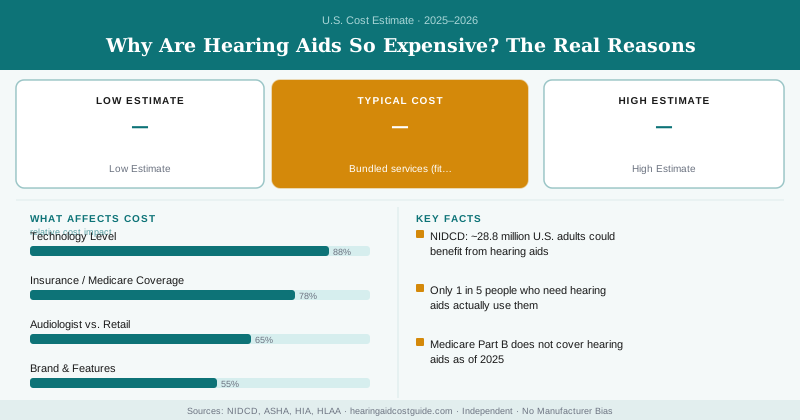
Original Medicare (Parts A and B) does not cover hearing aids. That means most of the 48 million Americans with hearing loss pay entirely out of pocket. Without insurance-driven volume negotiation, list prices stay high.
By contrast, when insurers negotiate prices for medical devices, they drive unit prices down significantly. Hearing aids have largely been shielded from that pressure.
The FDA’s October 2022 rule creating an over-the-counter hearing aid category for adults with mild-to-moderate hearing loss has already started bending the price curve. OTC aids from Jabra Enhance, Lexie, Sony, and others now range from $200–$1,600/pair — and they’re forcing prescription prices to compete on value.
5. Six manufacturers control ~90% of the market
The hearing aid industry is dominated by six companies: Sonova (Phonak, Unitron), WS Audiology (Signia, Widex), Demant (Oticon, Bernafon), GN Hearing (ReSound, Jabra), Starkey, and Cochlear. This oligopoly limits competitive pricing pressure in the premium segment.
The Unbundling Trend: Paying Only for What You Need
A growing number of audiologists now offer unbundled pricing — separating the device cost from professional services. You pay for the hearing aids at a lower price, then pay per visit for fittings and follow-ups.
| Purchase Model | Typical Cost | What’s Included |
|---|---|---|
| Fully bundled (traditional) | $4,000–$7,000/pair | Device + all follow-up care |
| Partially bundled | $2,500–$5,000/pair | Device + limited visits |
| Unbundled device only | $1,500–$4,000/pair | Device only |
| Unbundled service fees | $75–$200/visit | Per-appointment billing |
| OTC (no professional) | $200–$1,600/pair | Device only, self-fit |
| Costco (low-overhead clinic) | $1,500–$3,000/pair | Device + dispensing services |
Are They Actually Worth the Price?
For most people with moderate-to-severe hearing loss, yes. NIDCD research shows that untreated hearing loss is associated with higher rates of depression, cognitive decline, and social isolation. The health cost of doing nothing is real.
But “worth it” doesn’t mean you have to pay full retail. Costco, manufacturer direct programs, state vocational rehabilitation, VA benefits, and OTC options all offer meaningful savings without sacrificing quality.
Avoid any provider who pressures you toward the most expensive model without first discussing your lifestyle needs and degree of hearing loss. A person who primarily watches TV at home needs different technology than someone who attends large business meetings daily.
Bottom Line
Hearing aids are expensive for legitimate reasons — tight tolerances, sophisticated technology, a small market, and genuine professional service costs. But the traditional retail price also includes distribution markup and monopoly rent that the OTC revolution is now eroding. Shop smart, compare channels, and ask every provider for unbundled pricing.
Frequently Asked Questions
A pair of hearing aids in the US typically costs between $3,000 and $7,000, with most people paying around $4,000–$6,000 per pair. This price includes the devices themselves plus bundled services like fitting, adjustments, and follow-up care from the audiologist or hearing center.
Most traditional Medicare and private insurance plans do not cover hearing aids, leaving patients responsible for the full out-of-pocket cost. However, some Medicare Advantage plans and a few state Medicaid programs offer partial or full coverage; you should contact your insurer directly to confirm your specific benefits.
Initial fitting typically takes 1–2 hours and is usually scheduled within 1–2 weeks of purchase. You'll then need follow-up appointments over several weeks or months for adjustments and programming as your ears adapt to the devices.