Widex built its whole reputation on one thing: hearing aids that sound natural, not processed. The SmartRIC, released on the Allure platform, carries that forward — and it’ll run you $2,000 to $4,400 per device. Here’s whether the price matches the promise.
What Makes the SmartRIC Different
The SmartRIC has an unusual L-shaped design that angles the dual microphones to better capture sound from in front of you while staying comfortable behind the ear. It’s part of Widex’s newer Allure platform, building on the natural-sound philosophy from the Widex Moment line.
Widex’s signature is PureSound with its ZeroDelay technology, which processes incoming sound fast enough to avoid the slight echo or artificial quality that bothers some wearers. According to ASHA, sound quality and naturalness are among the top reasons people either stick with or abandon their hearing aids, so this is a meaningful differentiator — not just marketing.
SmartRIC Pricing
| Tier | Per Device | Per Pair (Est.) |
|---|---|---|
| SmartRIC 110 (entry) | $1,400-$2,000 | $2,800-$4,000 |
| SmartRIC 220 (mid) | $1,700-$2,600 | $3,400-$5,200 |
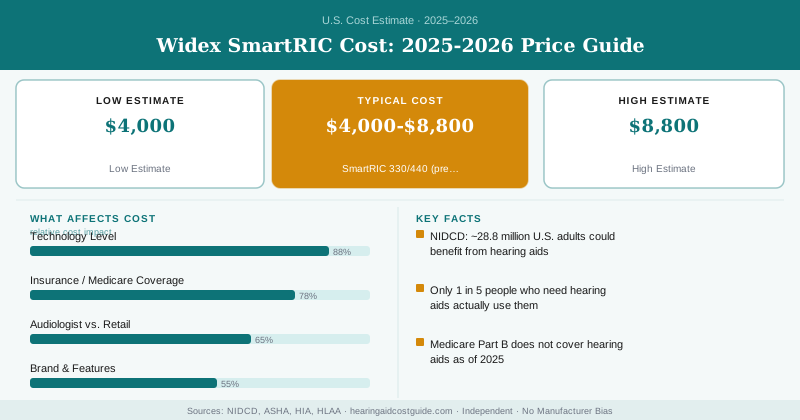
| SmartRIC 330/440 (premium) | $2,000-$4,400 | $4,000-$8,800 |
The tier number sets how many automatic programs and how much processing you get. Most U.S. prices fold in fitting and follow-up appointments.
The SmartRIC is for people who prioritize a natural, un-processed sound above raw noise-cancellation horsepower. Musicians and audio-sensitive listeners often gravitate to Widex for exactly this reason. If your top priority is hearing in very loud crowds, a competitor with aggressive AI noise reduction may suit you better.
Charging and Connectivity
The SmartRIC is rechargeable, with a charger that doubles as a power bank for travel — a nice touch. It streams to iPhone and many Android phones. For how it compares to other connected models, see our Bluetooth hearing aid guide.
Widex’s natural sound depends heavily on careful fitting and Widex’s SoundSense Learn feature, which fine-tunes to your preferences over time. Buying without professional fitting means you never really hear what makes a Widex a Widex.
How to Spend Less
- Insurance / Medicare Advantage allowances apply at many clinics.
- HSA/FSA funds qualify for hearing aids.
- Financing: interest-free clinic plans are common; see our financing guide.
- Lower tier: the 220 keeps Widex’s natural sound at a friendlier cost.
Bottom Line
The Widex SmartRIC is the natural-sound specialist’s pick, with a clever L-shaped mic design and travel-friendly charging. Budget $3,400-$5,200 for a quality mid-tier pair with services. If sound naturalness is your deal-breaker, it’s worth a listen; otherwise, weigh it against the lineup in our best hearing aids of 2025.
Frequently Asked Questions
The Widex SmartRIC costs $2,000 to $4,400 per device, depending on the technology tier you select. Since most people need two hearing aids (one for each ear), your total out-of-pocket cost typically ranges from $4,000 to $8,800 before insurance or manufacturer discounts.
Most traditional health insurance plans do not cover hearing aids, though Medicare Part B may cover up to $200 per ear under newer policies (check your specific plan). Many people rely on Medicare Advantage plans, supplemental hearing insurance, or Widex's financing options to reduce out-of-pocket costs, which can range from $1,500 to $4,000 per device after discounts.
Initial fitting and adjustment typically takes 1 to 2 hours at an audiologist's office, with follow-up appointments scheduled over the next 4 to 6 weeks to fine-tune settings and ensure comfort. Most patients are able to wear their SmartRIC devices the same day they are fitted, though adjustments continue through a standard 30 to 60-day trial period.