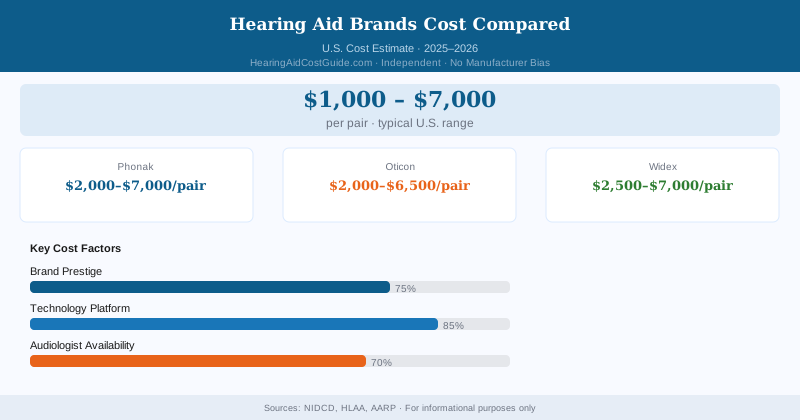
Six manufacturers control roughly 95% of the global hearing aid market: Phonak, Oticon, ReSound, Widex, Starkey, and Signia. They all make good products. The technology differences are real — but they’re often overstated compared to the impact of a great fitting by a skilled audiologist. That said, brand choice does matter for specific listening needs, ecosystem accessories, and smartphone compatibility.
Here’s what each brand actually costs and what sets them apart.
Q&A: Which Brand Should I Choose?
Q: Are some brands meaningfully better than others?
A: At premium tiers, the differences narrow considerably. MarkeTrak surveys consistently show that satisfaction with hearing aids is more strongly correlated with the quality of professional fitting and follow-up than with brand choice. That said, specific features — like Phonak’s Roger wireless ecosystem or ReSound’s dual-platform Bluetooth — are genuinely differentiated.
Q: What if my audiologist only carries one brand?
A: Common situation. Audiologists typically carry 2–4 brands, not all six. If you have a strong preference, verify availability before booking an appointment. Costco carries Jabra (ReSound technology), Philips (Oticon/Demant), Rexton (Signia), and Kirkland Signature (Sonova/Phonak) — that’s effectively four of the six major platforms under different names.
2025 Hearing Aid Brand Price Comparison
| Brand | Entry Level (per pair) | Mid Level (per pair) | Premium (per pair) | Notable Feature |
|---|---|---|---|---|
| Phonak | $2,800 | $4,200 | $6,500 | Roger wireless mic ecosystem |
| Oticon | $2,500 | $4,000 | $6,800 | BrainHearing / open sound processing |
| ReSound | $2,600 | $3,800 | $6,200 | Best-in-class Bluetooth (Android + iPhone) |
| Widex | $2,400 | $3,900 | $6,400 | Sound quality, tinnitus SoundRelax |
| Starkey | $2,600 | $4,100 | $6,600 | US-made, Edge AI, health tracking |
| Signia | $2,200 | $3,600 | $6,000 | Own Voice Processing technology |
Prices above are per pair and include professional fitting at typical US audiology clinic rates. They vary significantly by region and clinic.
Phonak
Parent company: Sonova (Switzerland) Best known for: Roger wireless microphone system, widest fitting range, pediatric devices
Phonak’s Lumity platform (2023–2025) delivers excellent speech-in-noise performance. The Roger ecosystem — table microphones, lapel mics, and pens that beam audio directly to the hearing aids — is the most mature assistive listening add-on in the industry. If you regularly attend meetings, lectures, or large group settings, Phonak’s Roger system is worth serious consideration.
Phonak is also the most widely prescribed brand in the US and Canada, meaning audiologists are highly familiar with programming it — which can translate to more efficient fitting appointments.
Oticon
Parent company: William Demant (Denmark) Best known for: Open sound processing, Deep Neural Network audio
Oticon’s “BrainHearing” philosophy keeps more ambient sound information accessible rather than aggressively suppressing background noise. It requires the brain to do more processing, but many users find it sounds more natural. Their Intent platform (2024) uses motion detection to adjust processing based on whether you’re in conversation, walking, or navigating a crowd.
Phonak and Starkey prioritize aggressive noise reduction for clarity in difficult environments. Oticon and Widex favor preserving more natural sound. Signia specializes in reducing the “plugged up” feeling of wearing aids (occlusion effect). There’s no universally “best” — it depends on your listening needs and preferences.
ReSound
Parent company: GN Hearing (Denmark) Best known for: Bluetooth connectivity (first to offer iPhone compatibility), Android support
Q: I use both an iPhone and an Android device at work — does that matter for brand choice?
A: Significantly. ReSound Nexia (2024) was the first hearing aid to achieve Android Audioscope ASHA and Apple Made For iPhone support simultaneously. If seamless streaming from both iOS and Android matters to you, ReSound leads the field. ReSound also partners with Cochlear for hybrid cochlear implant-hearing aid fittings.
Widex
Parent company: Widex-Signia holding (WSA) Best known for: Sound quality, low processing delay (for musicians), tinnitus programs
Q: I’m a musician. Which brand handles music best?
A: Widex, with the lowest processing delay in the industry. Audio processing takes time — even milliseconds — and that delay creates the uncomfortable “echo” effect where your own voice sounds out of sync with what you’re saying. Widex minimizes that delay. The Moment Sheer platform also includes SoundRelax, a customizable tinnitus sound therapy program.
Starkey
Parent company: Starkey Hearing Technologies (US, Eden Prairie, MN) Best known for: Only major brand manufactured in the US, Edge AI processor, health sensing
Starkey’s Genesis AI (2023) introduced fall detection, activity tracking, and translation features directly in the hearing aid. If you want hearing aids that double as health monitoring devices, Starkey is unique in that space. They also run the Starkey Hearing Foundation, which has provided free aids to over 2 million people in underserved communities globally.
Signia
Parent company: WSA (same holding as Widex) Best known for: Own Voice Processing (OVP), Silk invisible aids
Q: My hearing aids make my own voice sound strange and hollow. Which brand addresses that?
A: Signia specifically. Their Own Voice Processing (OVP) technology processes the wearer’s voice separately from all other sounds to eliminate the “in a barrel” quality that plagues many first-time users. Their Silk Charge&Go is also one of the smallest rechargeable ITC devices available.
Brand loyalty is common among audiologists, and some clinics carry only one or two brands. If you have a strong preference for a specific brand, confirm availability before booking an appointment. Costco carries Jabra (ReSound), Philips (Demant/Oticon), Rexton (Signia), and Kirkland Signature (Sonova/Phonak).
Bottom Line
Premium devices from any of the six major brands will serve most users well. Choose based on your listening lifestyle, your audiologist’s experience with the platform, and your budget — not brand advertising. If cost is a priority, the same underlying technology often appears under Costco house brands for 40–60% less than private clinic pricing.