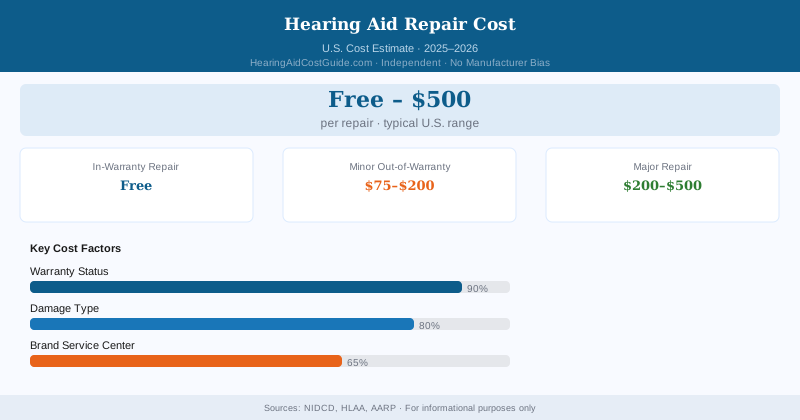
It’s Friday afternoon and your hearing aid just died. Before you panic about a $400 repair bill, try the free fixes first — roughly 60% of hearing aids brought in for repair turn out to have a $0 problem: a clogged wax filter, a dead battery, or a dome that’s fallen off. Start there.
Hearing Aid Repair Cost by Type
| Repair Type | In-Warranty | Out-of-Warranty |
|---|---|---|
| Earwax cleaning (clinic) | $0–$50 | $50–$100 |
| Receiver replacement (RIC) | $0 (often) | $100–$250 |
| Microphone repair | $0 | $200–$400 |
| Circuit board repair | $0 | $300–$600 |
| Moisture damage | Sometimes covered | $200–$500 |
| Full manufacturer repair | $0 | $300–$600 per aid |
| Loss/damage replacement | $0–$200 deductible | Full device cost |
What In-Warranty Covers (And What It Doesn’t)
Most new hearing aids include a 1–3 year manufacturer warranty. Standard coverage includes manufacturing defects, electronic component failures, and receiver failures on RIC devices.
What it doesn’t cover:
- Physical damage (dropping, crushing)
- Moisture damage beyond normal use (submersion, excessive sweat)
- Lost devices
Many manufacturers offer a separate loss and damage (L&D) warranty for $150–$400 additional cost. If you’re active, have pets, or have young grandchildren around — that L&D plan is often worth it.
Out-of-Warranty Repairs: Your Three Options
After the warranty expires (typically 2–3 years for prescription devices, 1 year for most OTC), you’ve got three routes:
Manufacturer repair: Send the device back to the factory. Cost: $200–$600 per aid ($400–$1,200 per pair). Usually the highest quality repair for complex circuit issues, and it comes with a 6–12 month warranty on the repair itself. The tradeoff is turnaround time — often 1–2 weeks.
Third-party repair labs: Companies like National Hearing Aid Service or local hearing lab centers. Cost: $100–$400 per aid. Faster, cheaper, and quality varies more. Fine for mechanical issues; less reliable for complex circuitry.
Clinic in-house repair: Many audiologists handle basic repairs in-house — tube and dome replacement, receiver replacement, battery door repair. Cost: $50–$200 per repair. This is the fastest option for minor issues.
Before any paid repair, try these free fixes yourself:
- Replace the wax filter/trap (included in most new hearing aid boxes; replacements $5–$10)
- Clean the dome or earmold with a soft cloth
- Try a fresh battery (even if you replaced it recently)
- Dry the aid overnight in a hearing aid dryer If none of these work, then go to the clinic.
Diagnosing the Problem Before You Call
Dead or very quiet sound: Almost always earwax blockage, dead battery, or clogged wax filter. Fix cost: $0–$30. Start here before anything else.
Whistling or feedback: Loose dome, excessive earwax in the canal, or a degraded receiver. Fix cost: $0–$150. A new dome often solves it.
Distorted sound: Moisture damage, failing receiver, or circuit issue. These cost more — $150–$500 depending on cause.
Bluetooth won’t connect: Often a software reset (free). If it’s a chip failure, that’s $200–$400.
Physical cracks in the housing: Cosmetic damage usually doesn’t affect function. If the housing is broken enough to expose components, you’re looking at manufacturer repair or replacement — $300–$600.
Water damage voids most hearing aid warranties unless you have an L&D plan or the device is rated IP68 waterproof. If your hearing aid gets submerged, immediately remove the battery, place the aid in a desiccant dryer, and bring it to your audiologist within 24–48 hours. Do not use a microwave or hair dryer to dry hearing aids — heat destroys electronic components.
The 50% Rule: When to Stop Repairing
Audiologists use a simple threshold: if repair cost exceeds 50% of the device’s current replacement value, replace rather than repair. For a 6-year-old hearing aid with a $3,000/pair replacement cost, a $1,200 repair bill barely makes sense — and newer technology will likely outperform those 6-year-old aids significantly.
Extended Warranty and Protection Plans
- Manufacturer extended warranty: $200–$400 for years 2–4, covers defects only
- Loss & damage riders: $150–$350/year, covers drops, damage, loss (deductible $0–$300)
- Third-party plans (Extend, etc.): $100–$250/year, variable coverage
The HLAA (Hearing Loss Association of America) recommends reading L&D plan terms carefully before purchasing — coverage limits and exclusions vary significantly between manufacturers. For premium aids ($4,000+ per pair), L&D coverage is generally worthwhile. For budget OTC devices under $1,000, self-insuring by saving the premium often makes more sense.
What’s Safe to Fix Yourself
Go ahead:
- Replacing wax filters and traps
- Replacing domes or ear tips
- Replacing RIC receiver wires (on compatible models)
- Cleaning with a brush or dry cloth
Don’t attempt:
- Opening the housing for internal repairs
- Using heat to dry the device
- Replacing batteries in rechargeable models (these require factory service)
Frequently Asked Questions
Earwax blockage is the single most common cause. The wax filter (also called a wax trap or wax guard) is a small replaceable screen that catches wax before it reaches the receiver. When it's clogged, the aid goes quiet or dead. Most aids come with replacement filters, and a new filter pack costs $5–$10 at any audiology office.
Standard manufacturer warranties generally do not cover moisture damage unless you have a loss and damage (L&D) rider or the device is specifically rated IP68 waterproof. If your aid gets wet, remove the battery immediately, place it in a desiccant dryer, and bring it to your audiologist within 24 hours — quick action significantly improves repair outcomes.
Most audiologists use the 50% rule: if the repair cost exceeds 50% of the current replacement value, replacement makes more sense. Also consider the age of the device — aids more than 5–7 years old are often worth replacing because newer technology provides significantly better performance.