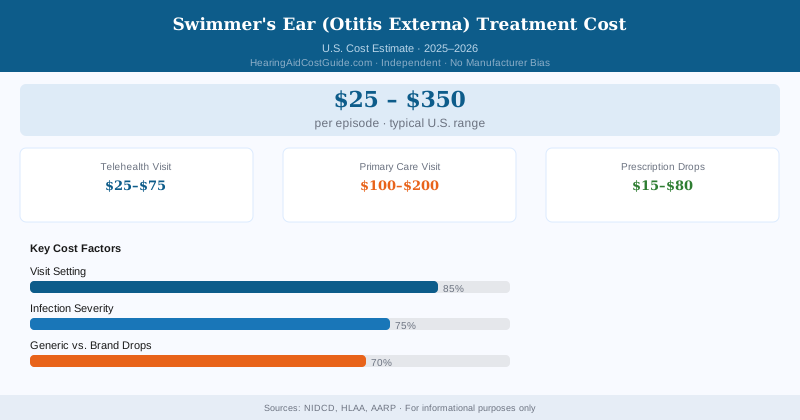
42% of swimmer’s ear cases in adults are treated with a prescription they could have gotten through a telehealth visit for $25. Yet many people still drive to urgent care, wait two hours, and pay a $150 copay for the same eardrops. Knowing how the treatment system works can save you real money — and real time.
Here’s a plain-language breakdown of what swimmer’s ear actually costs.
What Is Swimmer’s Ear?
Otitis externa is an infection of the outer ear canal — the tube between your outer ear and eardrum. It’s called swimmer’s ear because water that stays trapped in the canal after swimming creates the warm, moist environment bacteria love. But you don’t need to swim to get it. Cotton swabs, earbuds, hearing aids, and high humidity are all common triggers.
Symptoms include ear pain (often sharp and worsened when you tug on the ear), itching, drainage, and temporarily muffled hearing. It usually responds well to treatment — but it can become severe if you ignore it.
Swimmer’s Ear Treatment Costs
| Treatment Setting | Typical Cost | Notes |
|---|---|---|
| Telehealth visit | $25–$75 | Fastest option; script sent to pharmacy |
| Primary care visit | $100–$200 | With insurance copay; $175–$350 uninsured |
| Urgent care | $125–$250 | With insurance; $200–$400 uninsured |
| Emergency room | $350–$1,000+ | Only if severe or complications |
| Prescription ear drops (Rx) | $15–$80 | Ciprodex, Cortisporin, etc. with GoodRx |
| OTC ear drops (prevention) | $8–$20 | Acetic acid / isopropyl alcohol drops |
| Ear wick placement (severe) | $50–$150 (added to visit) | Done in office for swollen canals |
For a typical mild-to-moderate case, your all-in cost is $75–$280: a telehealth or primary care visit plus a 7-day course of antibiotic/steroid eardrops.
The Prescription Drop Question
Most swimmer’s ear is treated with one of a few standard eardrops: neomycin/polymyxin B/hydrocortisone (generic Cortisporin), ciprofloxacin/dexamethasone (Ciprodex), or ofloxacin. These all work well. The price differences are significant.
With a GoodRx coupon at major pharmacy chains, generic Cortisporin can run as low as $15–$30. Ciprodex, brand-name, runs $80–$200 without insurance. Ask your doctor or telehealth provider specifically for a generic option — there’s no meaningful clinical difference for standard otitis externa.
When Swimmer’s Ear Gets Complicated
Most cases resolve in 7–10 days with eardrops. But complications push costs sharply higher:
Malignant (necrotizing) otitis externa is a rare but serious spread of infection into surrounding tissues — more common in older adults with diabetes or weakened immune systems. Treatment may require IV antibiotics, imaging, and hospitalization. Costs can reach $5,000–$20,000 or more.
Chronic otitis externa with repeated infections may require an ENT referral ($150–$350 per visit) and sometimes a culture to identify resistant organisms. Repeated Ciprodex prescriptions can add up fast — preventive drops after water exposure are much cheaper.
The Centers for Disease Control and Prevention (CDC) estimates that otitis externa accounts for approximately 2.4 million health care visits annually in the United States, with healthcare costs exceeding $500 million per year. Most of these are straightforward cases that could be managed in primary care or via telehealth.
If you recognize swimmer’s ear symptoms — ear pain that worsens when you pull on the outer ear, no fever, no hearing aid complication — start with a telehealth visit. Services like Teladoc, MDLive, or your insurer’s telehealth app can prescribe eardrops in under 30 minutes for $25–$75. That’s $100–$200 less than an urgent care visit for the same outcome.
Swimmer’s Ear and Hearing Aids
Hearing aid wearers are at elevated risk for otitis externa. The earpiece blocks airflow and can trap moisture — creating exactly the conditions bacteria need. The American Academy of Audiology recommends that hearing aid users:
- Remove aids at night and leave cases open to air
- Clean earmolds and domes weekly with a dry cloth
- Never wear aids while swimming or showering
If you develop swimmer’s ear while wearing a hearing aid, you’ll typically need to stop wearing the aid in the affected ear for 7–10 days during treatment. This is uncomfortable but important — wearing the aid can reintroduce bacteria and block the drops from reaching the infection.
Hearing Loss from Swimmer’s Ear
The temporary hearing reduction you feel with swimmer’s ear — that plugged, muffled sensation — is almost always conductive and fully reversible once the infection clears. You don’t need a hearing test immediately. If hearing hasn’t returned to normal within 2 weeks after treatment, then an audiogram makes sense.
According to the National Institute on Deafness and Other Communication Disorders (NIDCD), most cases of conductive hearing loss from outer ear infections resolve completely with appropriate antibiotic treatment, with no lasting impact on hearing thresholds.
Preventing Repeat Infections (Cheap and Effective)
After swimming or showering, tip your head to each side and let water drain. Then use a soft cloth or hair dryer on the lowest setting held 12 inches from the ear. You can also use OTC drying drops ($8–$18) — these are typically isopropyl alcohol and acetic acid solutions that evaporate moisture. If you’re a frequent swimmer, these are far cheaper than repeated treatment visits.
Don’t put cotton swabs in your ear canal. They don’t remove moisture — they push debris deeper, scratch the canal lining, and dramatically increase your risk of otitis externa. This is one of the most preventable risk factors, and audiologists and ENTs see it constantly.
Bottom Line
For most adults, swimmer’s ear runs $75–$280 all-in when treated promptly with a telehealth visit and generic prescription eardrops. Skip urgent care unless you have a fever, severe pain, or symptoms that suggest spread beyond the ear canal. Prevent repeat infections with inexpensive drying drops and proper hearing aid hygiene, and you’ll avoid the $100–$200 urgent care visits that add up fast for chronic sufferers.